
If our first days in Amsterdam were about how the city was built, the next were about how it lives.
History is visible everywhere in Amsterdam, but it does not feel frozen. The canals are centuries old, yet bikes rush over their bridges. Former warehouses house cafés. Ferries glide across the IJ carrying commuters rather than cargo. The city feels continuous rather than preserved.

De Pijp and Everyday Amsterdam
We stayed in De Pijp, south of the historic centre. Once a working-class neighbourhood built in the late 19th century to house labourers, it gradually became home to students, artists, and immigrant communities. Today it is often described as trendy, but what struck me most was how lived-in it felt.
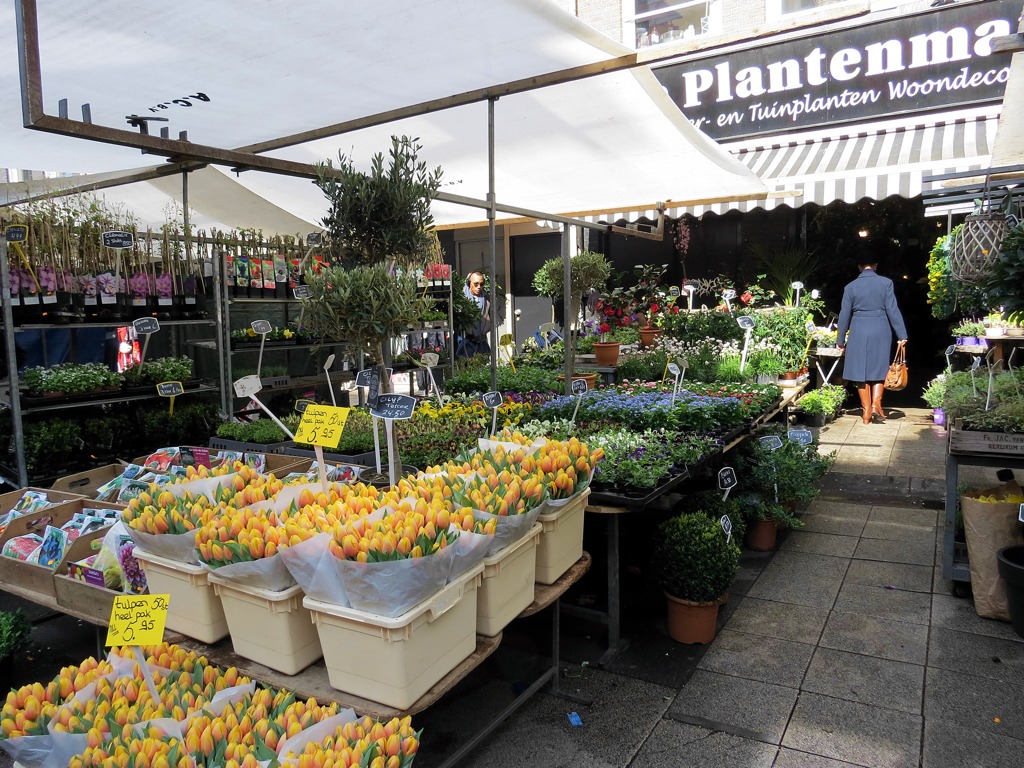
At its centre is the Albert Cuypmarkt.
With more than 300 stalls, it is the largest outdoor market in the Netherlands. Vendors sell fresh produce, cheese, fabrics, flowers, and street food. We ordered poffertjes, small fluffy pancakes dusted generously with powdered sugar and butter. They are simple and comforting, the kind of food that belongs to childhood rather than culinary prestige.


Nearby, Sarphatipark offered a quieter rhythm. Locals walked dogs, students lay on the grass, and parents pushed strollers along winding paths. After the grandeur of the canal belt, this felt like everyday Amsterdam.

Lunches, Cheese, and Practical Travel
At that point in our lives, Victor and I were trying to balance travel with saving money. It required planning and compromise. We decided to cook most of our dinners at the hostel and eat out for lunch instead. Lunch felt more affordable, and returning midday to cook would have broken the rhythm of exploring.

One of the things we quickly noticed is that Amsterdam takes sandwiches seriously. Lunch culture here revolves around bread: open-faced sandwiches, hearty rolls, simple combinations done well. Even restaurants that feel slightly upscale often offer substantial sandwiches at midday.
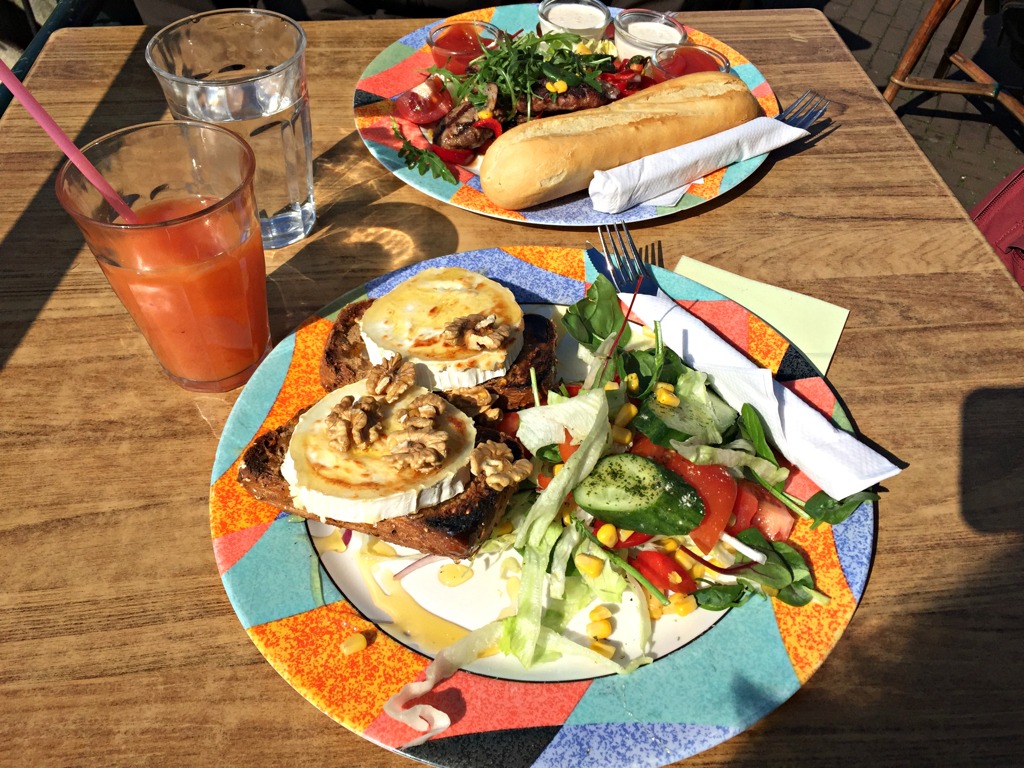
We went to Broodje Bert, a small canal-side spot known for oversized portions and straightforward ingredients. I ordered a sandwich layered with goat’s cheese, honey, and walnuts. It was sweet, savoury, and surprisingly balanced. Victor chose their deconstructed burger, equally generous. We carried our plates outside and sat beside the canal, which felt far more indulgent than the price suggested. Eating this way shaped our experience of the city. Lunch became part of the day’s architecture rather than a formal event.

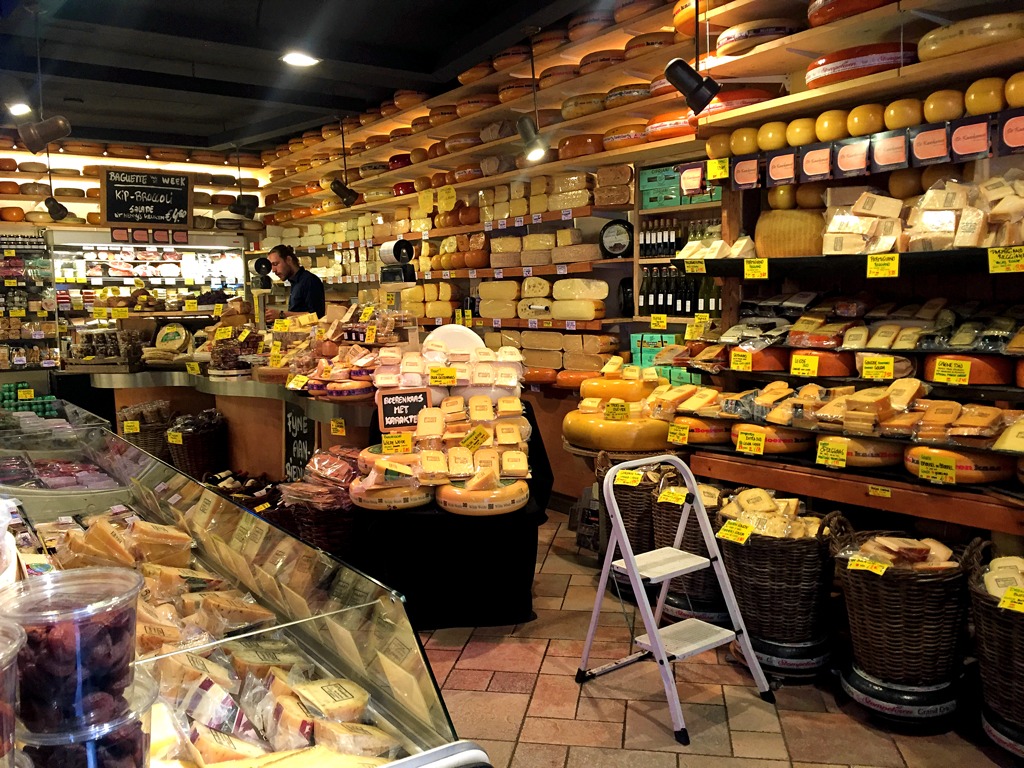
Cheese, of course, is unavoidable in the Netherlands. The country’s flat farmland and dairy production have long defined its food culture. Gouda is the most internationally recognised, but within the Netherlands, you find countless variations in age, texture, and intensity.
Rather than buying from brightly packaged tourist shops, we visited De Kaaskamer, a proper cheese store where wheels are cut to order. The difference is immediate. The staff talk you through flavour profiles and ageing processes rather than offering vacuum-sealed souvenirs. There is something satisfying about tasting a cheese in the place it was produced, knowing the land around the city supports it.
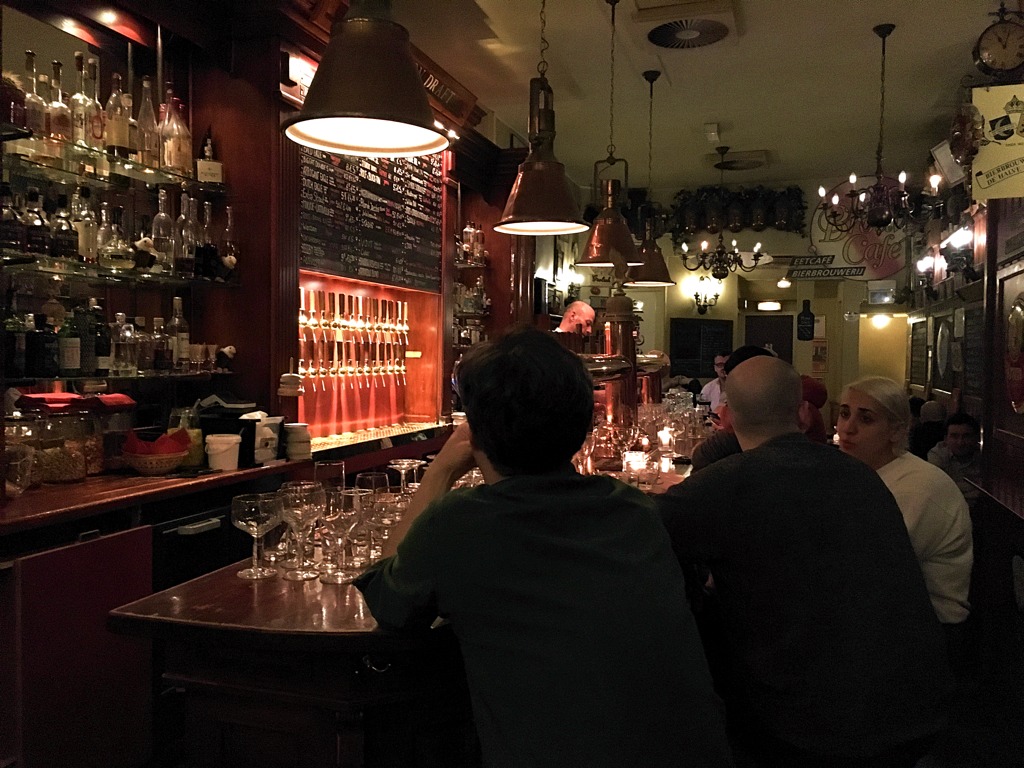
Beer culture offered another layer. While Heineken dominates global perception, Dutch brewing extends far beyond one brand. We spent an evening at Proeflokaal Arendsnest, a bar dedicated exclusively to Dutch breweries. With more than 100 options, the only sensible approach was to ask for guidance. Sampling local beers felt like participating in a quieter, less commercial side of the Netherlands.
These meals were not extravagant. They were intentional. They allowed us to experience Amsterdam without stretching beyond our means, and in doing so, they revealed something essential about the city: quality without excess.
Crossing the IJ
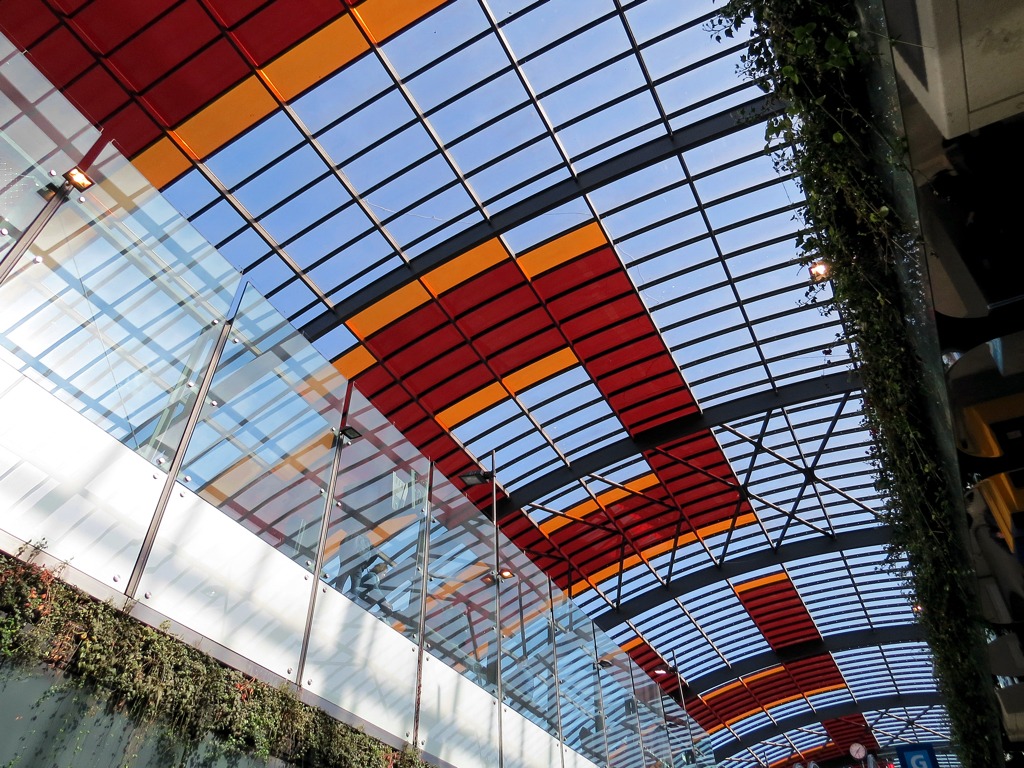
From Amsterdam Centraal Station, we boarded the free ferry across the IJ. The short ride takes only a few minutes, but it shifts perspective.

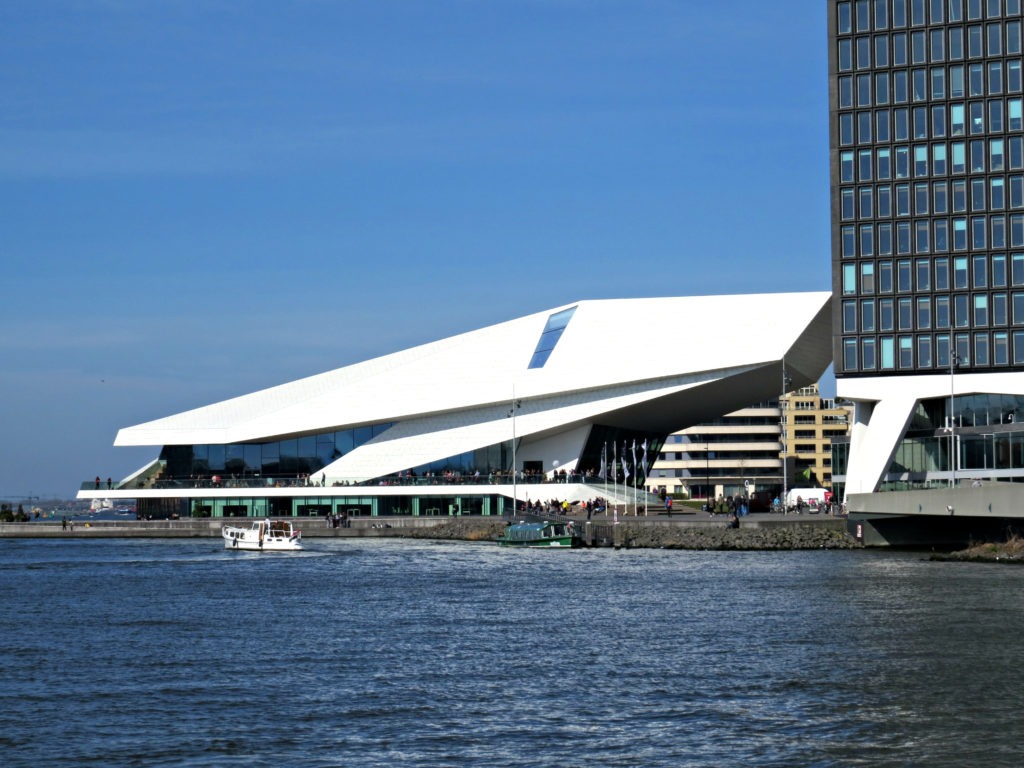
On the opposite shore stands the striking white structure of the EYE Film Institute Netherlands.
The building houses the Dutch national film archive and a cinema, but even without entering, its architecture makes a statement. Sharp lines and modern angles contrast with the narrow gabled houses across the water. The north side of Amsterdam has transformed in recent years, with former industrial spaces converted into cultural venues and residential developments.

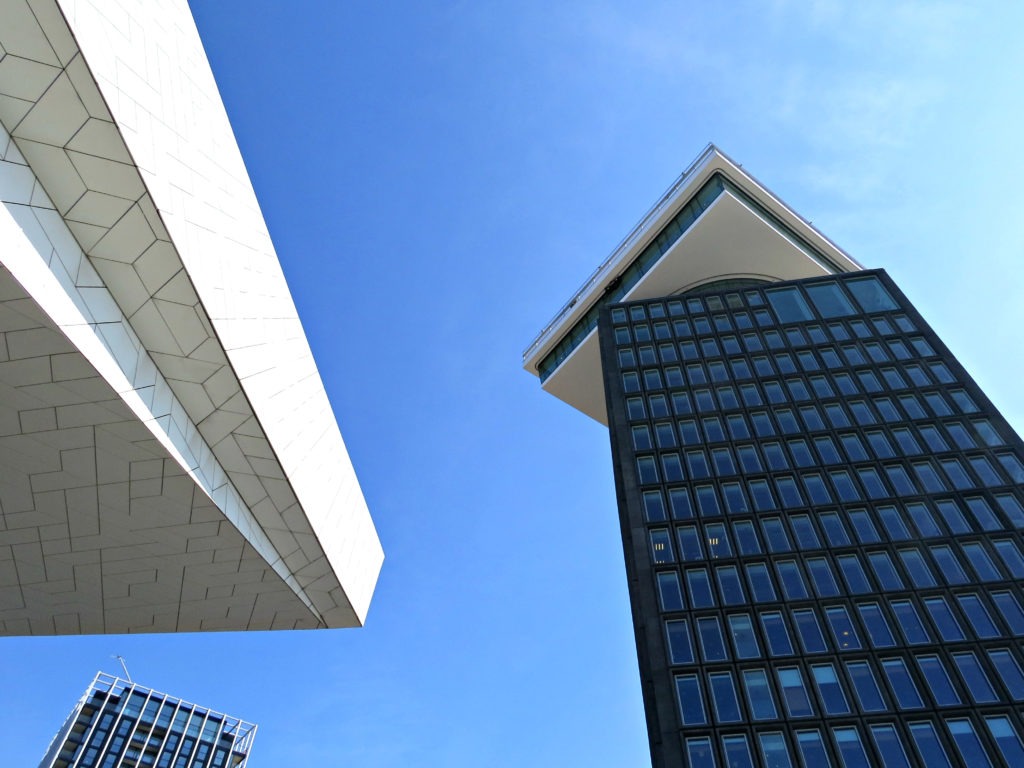
Standing there, looking back toward the historic centre, the continuity of Amsterdam becomes clear. The city that once engineered canals for trade is now repurposing waterfronts for creativity and culture. Adaptation is part of its identity.
The Anne Frank House
Few places carry the emotional gravity of the Anne Frank House.
We joined the late-afternoon queue after failing to secure advance tickets. The wait stretched nearly two hours, slow and cold. No one seemed impatient. The mood was subdued.


Inside, the house is deliberately restrained. The rooms are mostly empty, as Otto Frank requested after the war. You move through the front offices where business continued during the occupation, then pass through the concealed bookcase into the annex where Anne and her family hid for more than two years.
The space is smaller than expected. The windows are blacked out. The walls feel close. Reading excerpts from her diary in the very rooms where she wrote them is deeply unsettling. The ordinariness of the rooms makes the history heavier.


Otto Frank, the sole survivor of the family, chose to publish Anne’s diary so her voice would not disappear. It has since been translated into more than sixty languages. What began as private reflection became part of global memory.
The Anne Frank House does not attempt spectacle. It asks for attention. It asks for responsibility.
The Red Light District
In contrast, Amsterdam’s Red Light District is often treated as a spectacle. We walked through it at dusk, before the full glow of neon. By daylight, it is simply one of the oldest parts of the city, with narrow streets and medieval architecture. As evening falls, red lights illuminate windows where sex workers stand behind glass.
The Netherlands legalised and regulated sex work in 2000, framing it as labour rather than criminal activity. Whatever personal opinions one may hold, the system is structured around visibility and regulation. It is pragmatic rather than hidden.
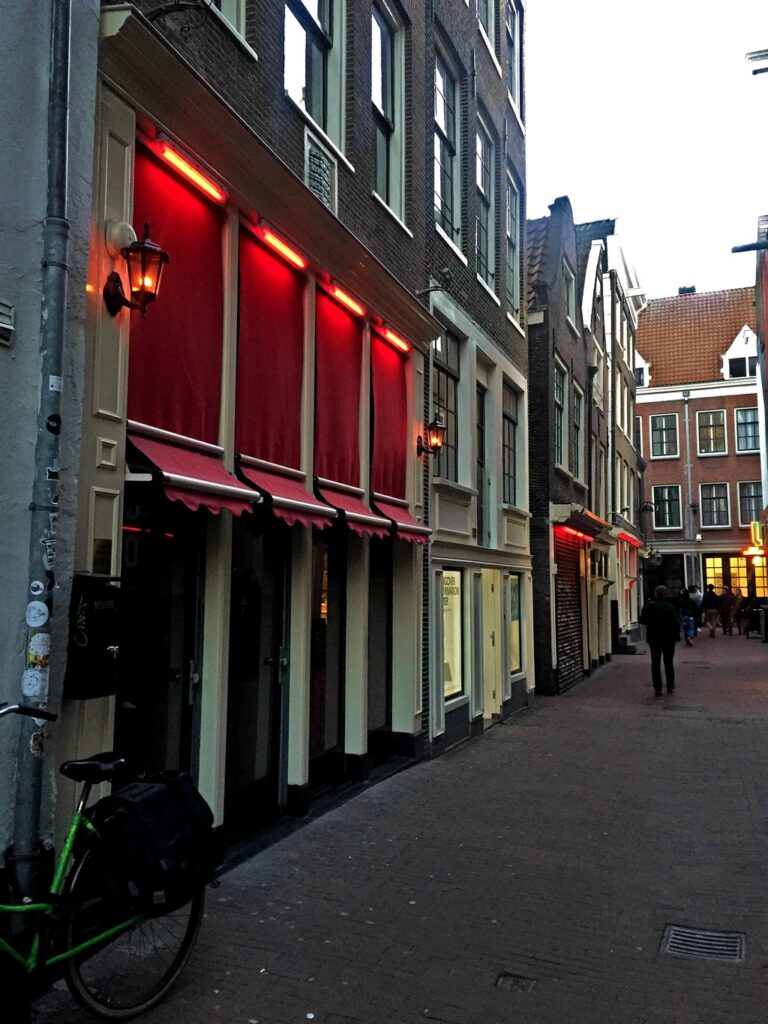


Photography is strictly prohibited, and the rule is enforced. The windows are workplaces, not attractions. What struck me most was not shock but structure. The Red Light District fits within Amsterdam’s long history of negotiated tolerance. The same city that thrived on global trade and religious pluralism has historically approached controversial issues with regulation rather than repression.
Beer and Conversation
Afterwards, we continued our conversation at In de Wildeman, a beer bar housed in a former distillery. The menu lists hundreds of Dutch beers, many from small breweries across the country.
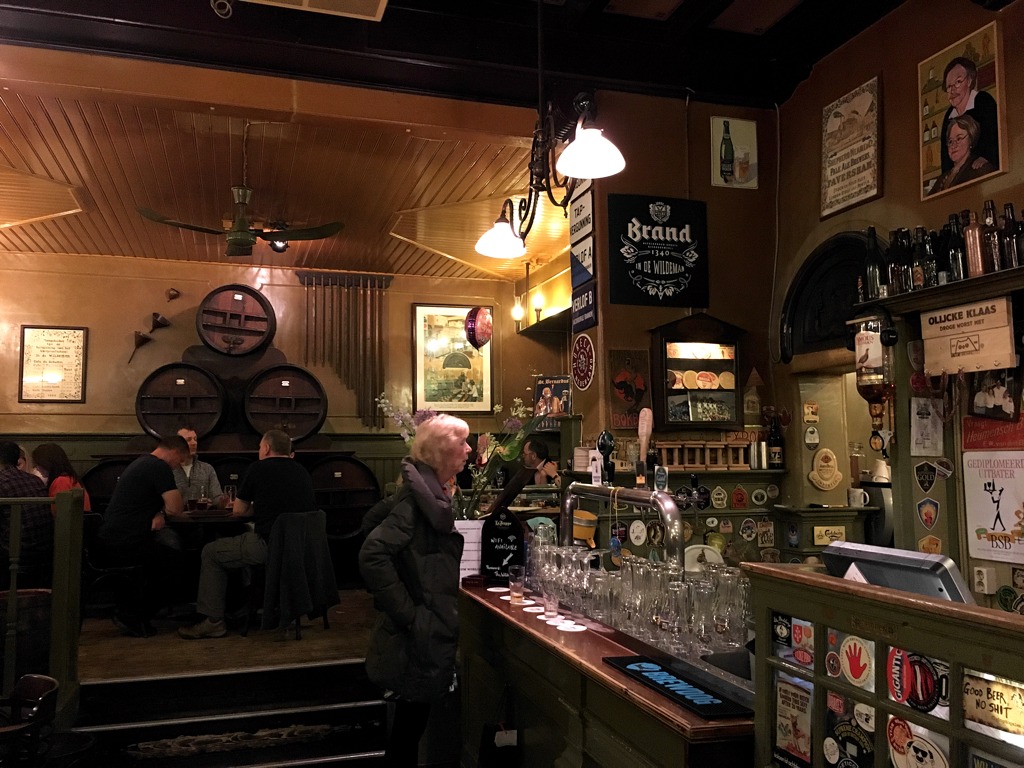
Dutch beer culture extends far beyond the global brand recognition of Heineken. Local brewers experiment constantly, producing everything from strong dark ales to citrus-forward IPAs. Faced with so many options, we asked the bartender for guidance and trusted his recommendations.
Sitting there, discussing what we had seen, it became clear that Amsterdam invites analysis. Few cities present their complexities so openly.
The Rijksmuseum
On our final morning, we visited the Rijksmuseum. If the Van Gogh Museum feels intimate, the Rijksmuseum feels national. It traces Dutch art and history from the Middle Ages through the Golden Age and beyond.


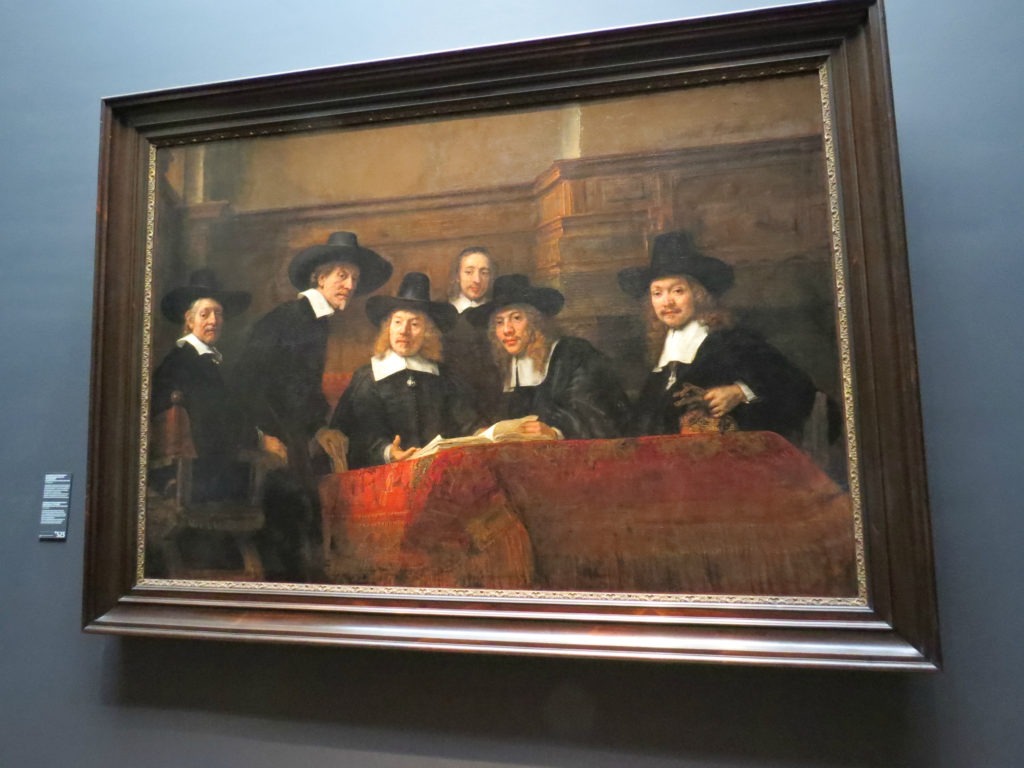
At its centre hangs Rembrandt’s The Night Watch, monumental and theatrical. Unlike the hushed intensity of Van Gogh, this painting bursts with movement and civic pride. Militia members lean forward, light cuts across faces, and the composition feels alive. It captures the confidence of a republic at its height.

Walking through the galleries after days in the city, the artwork felt contextual rather than isolated. The wealth from trade, the disciplined urban planning, and the culture of visibility and record-keeping all appear in the canvases. Art here is not separate from history. It is evidence of it.


Leaving Amsterdam
By the time we packed our bags, Amsterdam no longer felt abstract. It is a city built on engineering and negotiation. It embraces visibility rather than secrecy. It integrates history into daily life without turning it into theatre.
Amsterdam does not overwhelm you. It does not demand admiration. Instead, it asks you to look closely. And once you do, it stays with you quietly.
We arrived curious. And we left understanding more than we expected!

No Comments