By the time we had settled into Dallas, one thing had become clear. This is not a city that reveals itself all at once. It is not immediately obvious what you should see or where you should go, and unlike other major cities, there is no single landmark that defines it.
Instead, Dallas unfolds in layers. You find it in pockets, in the places you actively choose to visit, and in the unexpected details that make you stop and look twice.
Stepping Into the Past: Dallas Heritage Village
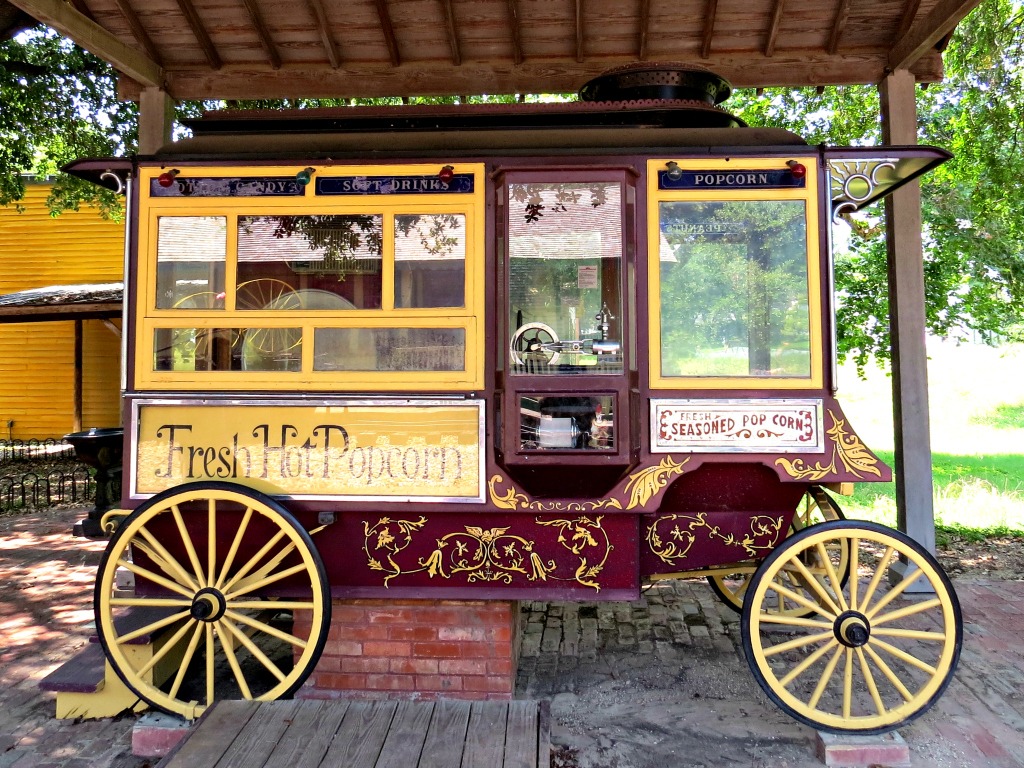
Just outside downtown, Dallas Heritage Village offers something entirely different from the rest of the city. After a few days of navigating modern Dallas, glass towers, wide streets, and air-conditioned escapes, stepping into the village felt like entering another version of Texas altogether.


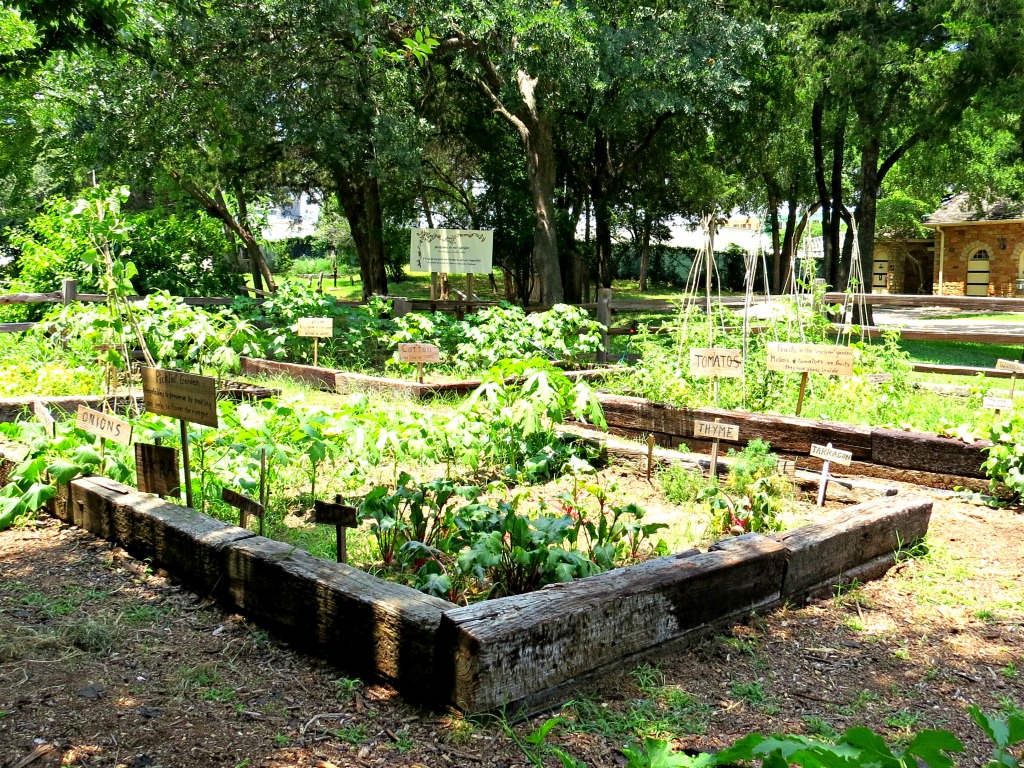
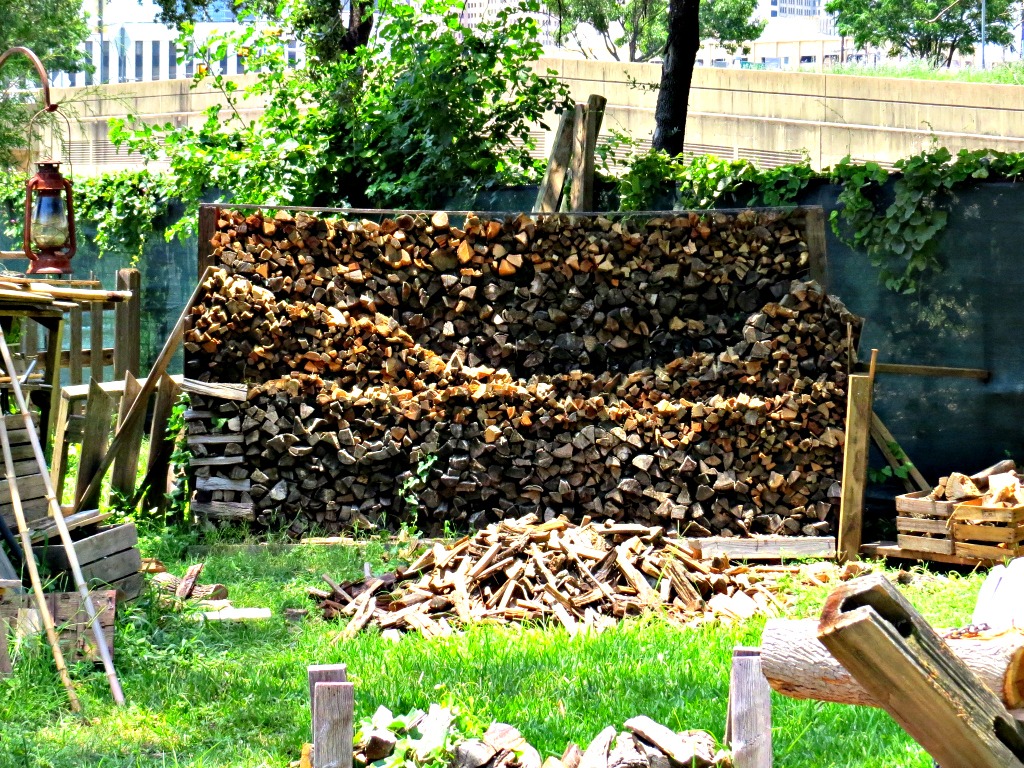
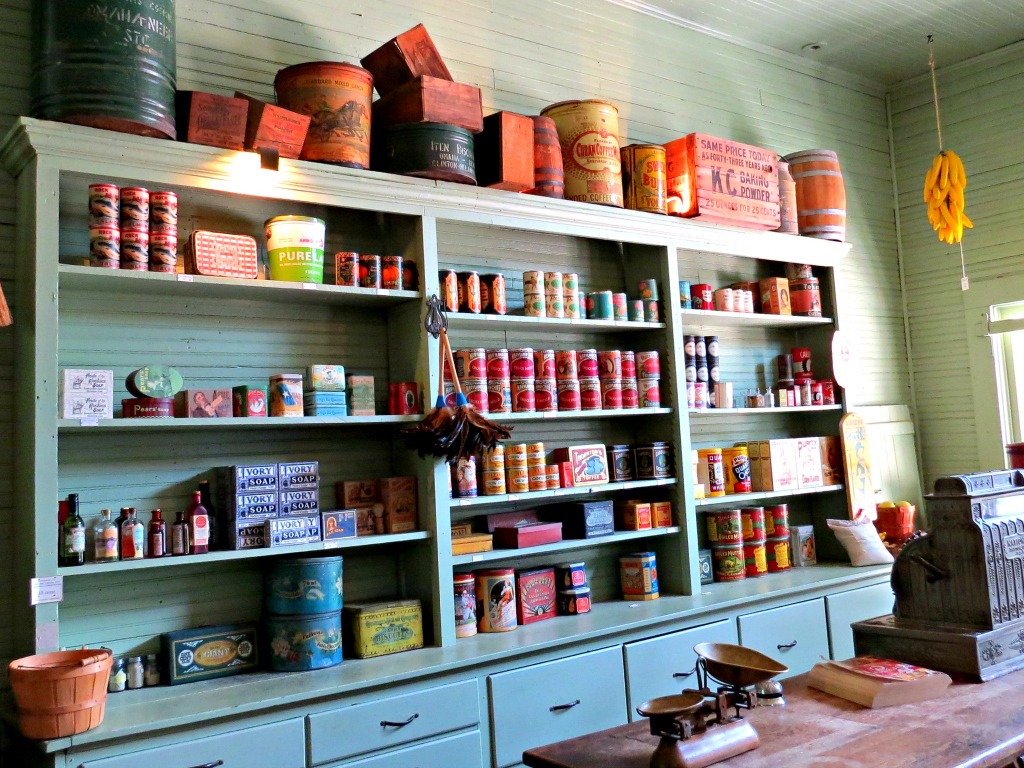
The village is made up of historic buildings dating from 1840 to 1910, all relocated from across North Central Texas and carefully reconstructed here. Instead of preserving a single site, it gathers pieces of the region’s past into one walkable space, which makes the experience feel both curated and surprisingly cohesive.
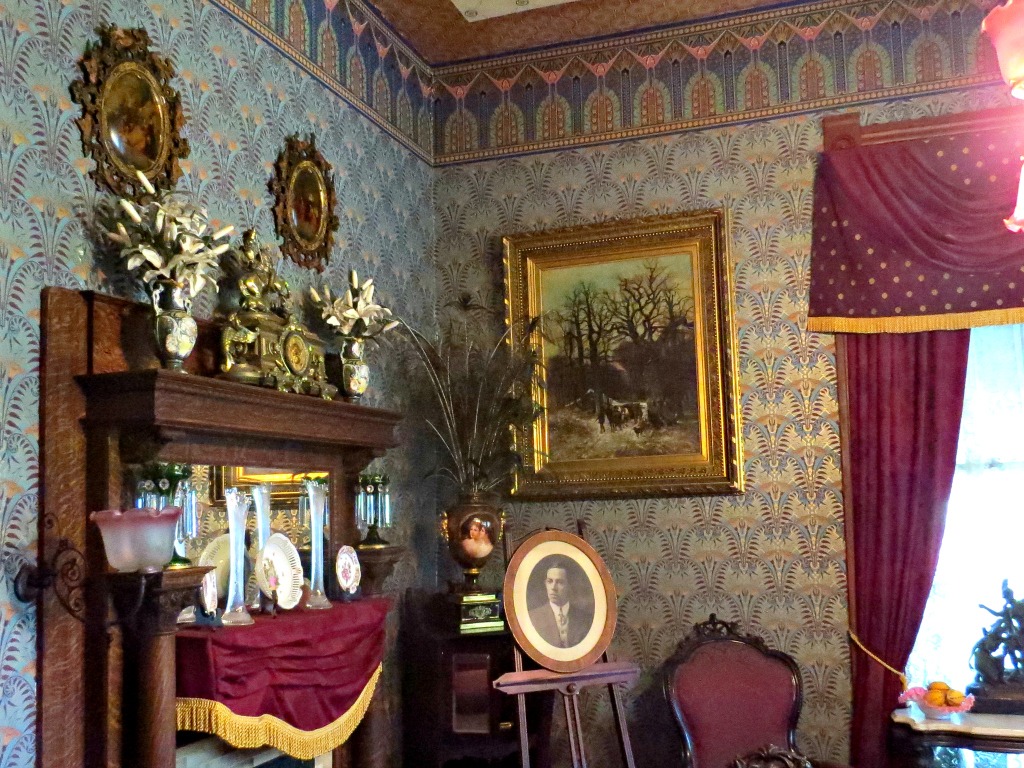
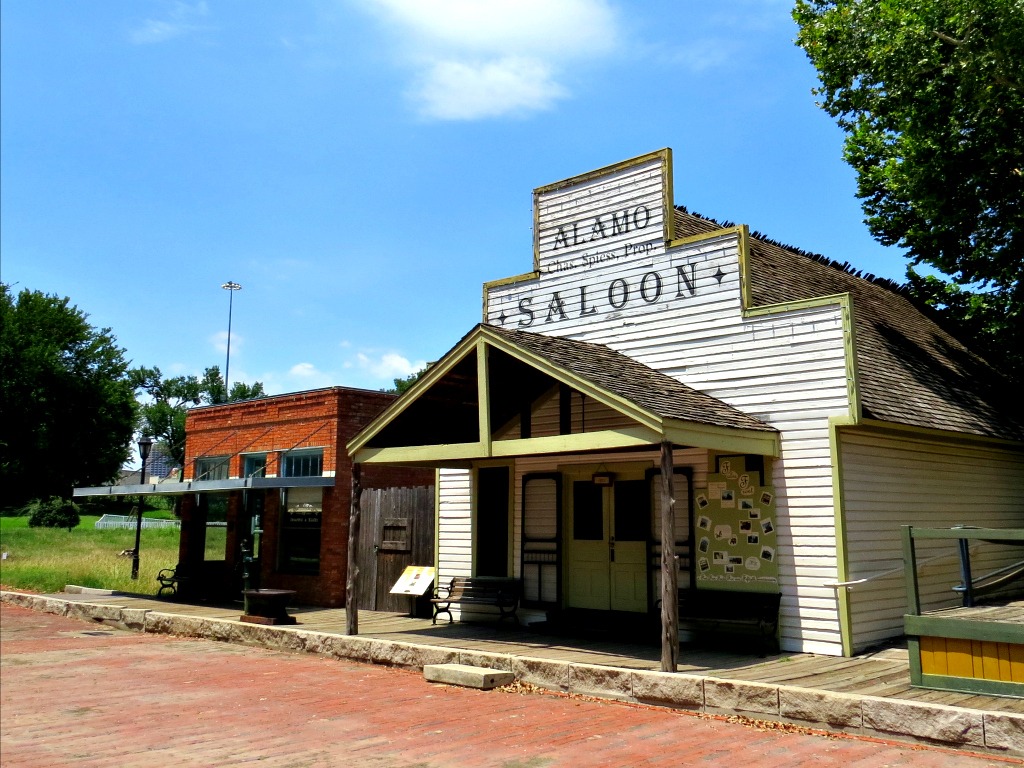
What stood out immediately was how accessible everything felt. This is not a museum where you stand behind ropes and read plaques from a distance. You can walk straight into most of the buildings, from a simple one-room schoolhouse to a bank, a saloon, and even a large plantation-style home. Each space gives a slightly different glimpse into daily life in Texas at the time, and moving between them creates a quiet sense of progression through history.


There is something particularly effective about the scale of it all. Nothing feels overly grand or theatrical. Instead, the buildings feel lived-in, practical, and grounded. You begin to notice the details, the worn wood, the layout of the rooms, the way spaces were designed for function rather than display. It makes the past feel closer and more tangible.
During our visit, there were staff and interpreters on site, which added another layer to the experience. Rather than just observing, you could ask questions, hear stories, and get a better sense of how these spaces were actually used. It gave the village a sense of life that goes beyond a typical historical attraction.


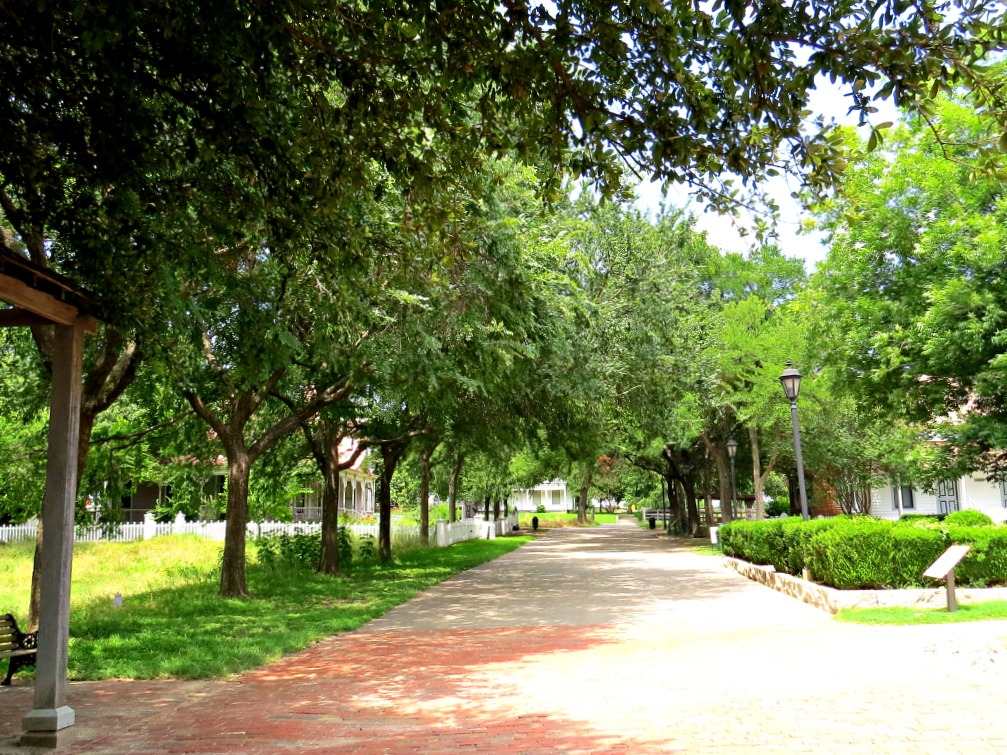
It was also one of those rare moments on the trip where time seemed to slow down. After the pace of the wedding and the constant negotiation with the heat, walking through the village felt calm and unhurried. The shaded paths helped, of course, and stepping inside the buildings offered brief escapes from the temperature, but more than that, it was the atmosphere. Quiet, reflective, and just removed enough from the city to feel like a reset.
I also ended up visiting with my boyfriend, Victor, and meeting up with an old study abroad friend who now lives in Fort Worth. She had never been to the village before, which made it even more enjoyable. There is something oddly satisfying about showing a local a place they have not explored yet.


Dallas can sometimes feel like a city without an obvious direction when it comes to sightseeing. It does not always tell you where to go. But places like this are exactly why it is worth looking a little deeper. The Heritage Village may not be the most famous attraction in Dallas, but it is one of the most memorable.
The City You Don’t See: Tunnels and Skywalks
One of the most surprising discoveries in Dallas was not something you immediately notice. It is what exists beneath it. The city has an extensive network of underground tunnels connecting office buildings, restaurants, and parking garages. Originally designed for convenience, they now serve a very practical purpose. They allow people to move around downtown without stepping into the heat.

When we first entered the tunnels, it felt slightly disorienting. Outside, Dallas can feel wide and exposed, with long stretches of pavement and very little shade. Underground, everything narrows. The light softens, the temperature drops, and the city suddenly feels contained.
During the workweek, these tunnels are busy with office workers moving between buildings, grabbing lunch, or running errands. When we visited, they were much quieter, which gave the whole experience an almost surreal quality. We wandered through long corridors that occasionally opened into small clusters of shops and cafes, then narrowed again into quieter passageways.

Some sections are purely functional, with plain walls and fluorescent lighting. Others are more thoughtfully designed, with artwork, brickwork, and small details that make you pause for a moment. It is not necessarily beautiful in a traditional sense, but it is undeniably interesting.


Above ground, skywalks serve a similar purpose. They connect buildings while offering brief glimpses of the city from above. Together, these hidden systems explain a lot about Dallas. When the temperature climbs high enough, the city adapts in practical and creative ways.

Up High: The Sky Lobby
If the tunnels show you one hidden side of Dallas, the view from above offers another.
Inside Chase Tower, there is a space known as the Sky Lobby. From the outside, the building is instantly recognisable thanks to the large keyhole shape cut into its structure. It stands out against the skyline in a way that makes you curious about what is inside.


The Sky Lobby itself feels surprisingly calm. After the brightness and intensity of the streets below, stepping into this space feels like entering somewhere slightly removed from the city. There are plants throughout, soft light coming in through large windows, and wide views stretching across Dallas.

It is not crowded or overly advertised, which adds to the appeal. It feels like something you discover rather than something you are directed toward. A quiet pause in the middle of a busy city.

Dallas and Its Arts District
If there is one area where Dallas makes a strong cultural statement, it is the Arts District.
This part of the city feels more intentional than anywhere else we visited. There is a sense of planning behind it, with wide streets, open plazas, and a concentration of museums and performance spaces that make it clear this is meant to be explored. It is one of the few places in Dallas where walking between attractions actually feels like part of the experience, even if the heat still has a way of slowing you down.


What stood out most was how much public art is woven into the area. You are not just moving from museum to museum. Along the way, there are sculptures, installations, and unexpected visual moments that make the entire district feel like an open-air extension of the galleries themselves. Even a short walk becomes something to pay attention to.


At the centre is the Dallas Museum of Art, one of the largest art museums in the United States. The scale of the museum is immediately noticeable. With more than 24,000 objects spanning from ancient history to contemporary works, it is the kind of place where you could easily spend an entire day and still feel like you have only seen a fraction of what is there.
What makes it particularly engaging is the range. You move between time periods and regions quickly, from ancient artefacts to European masters, and then into modern and contemporary works. It never feels repetitive, and there is always something new to catch your attention just as you think you have seen enough.


Among the highlights are works by Monet, Renoir, and Cézanne, but what stayed with me most was not a single painting. It was the way the museum presents certain parts of its collection.


The Wendy and Emery Reves Collection is a perfect example of this. Instead of displaying artworks in a traditional gallery setting, the museum recreates the couple’s home in France, Villa La Pausa, and installs the works as they would have originally been displayed. Walking through it feels completely different from the rest of the museum. The rooms are furnished, the scale is more intimate, and the art feels like part of a lived space rather than something placed behind glass.
It changes how you look at everything. Instead of moving quickly from piece to piece, you slow down. You take in the room as a whole. It feels less like viewing a collection and more like stepping into someone else’s world.

Just outside the museum is one of the most striking works in the district, Genesis, The Gift of Life, a large mosaic mural by Miguel Covarrubias.
At first glance, it is simply impressive in scale and colour. But the longer you stand in front of it, the more detail begins to emerge. The mural tells the story of an ancient myth in which earlier worlds were created and destroyed by elemental gods before the current world came into being. Each section is layered with symbolism drawn from cultures across Central and North America, making it something you can return to again and again and still notice something new.


Nearby, the Nasher Sculpture Center offers a quieter, more focused experience. The combination of indoor galleries and an outdoor sculpture garden creates a different rhythm. After the density of the museum, stepping outside into a landscaped space filled with large-scale works feels open and calm. It is a place where you naturally slow down, moving between pieces at your own pace.


The Crow Museum of Asian Art adds another dimension entirely, focusing on art and artefacts from China, Japan, India, and Southeast Asia.
Taken together, the Arts District feels like a clear statement about Dallas. It may not always be the first thing people associate with the city, but there is a strong and deliberate investment in culture here. You just have to make the effort to seek it out.

Understanding Dallas
Dallas may not be the easiest city to define, but that is part of what makes it interesting. It is a place shaped by contrast. Modern and historic, visible and hidden, expansive yet quiet in the middle of the day. It does not present itself all at once. You have to look for it.
But once you do, the city begins to make more sense. Not as somewhere lacking things to do, but as somewhere that reveals itself slowly, in pieces, to those willing to explore it properly.


No Comments