
I’ve been to Baltimore quite a few times as it is only an hour from DC, and an hour and a half from home. I had been there for summer festivals, and the aquarium, but I realised that I’ve only ever gone to the harbour. I’ve never actually be into the city, and to many onlookers, it’s for good reason. Baltimore has an extremely interesting history, and today is a largely segregated city (tracing back to that history). TV shows like The Wire have exposed Americans as well as others to what the city of Baltimore, and other “run-down” cities, has turned into.
 Now, before I get a lot of defensive reactions, I really enjoyed Baltimore. I’m fascinated by the huge gap between the impoverished city streets of central Baltimore, and the wealthy redeveloped area of the harbour. My boyfriend and I had two full days in Baltimore, and on the first day we decided to visit the central part of the city.
Day 1: A Historical Tour
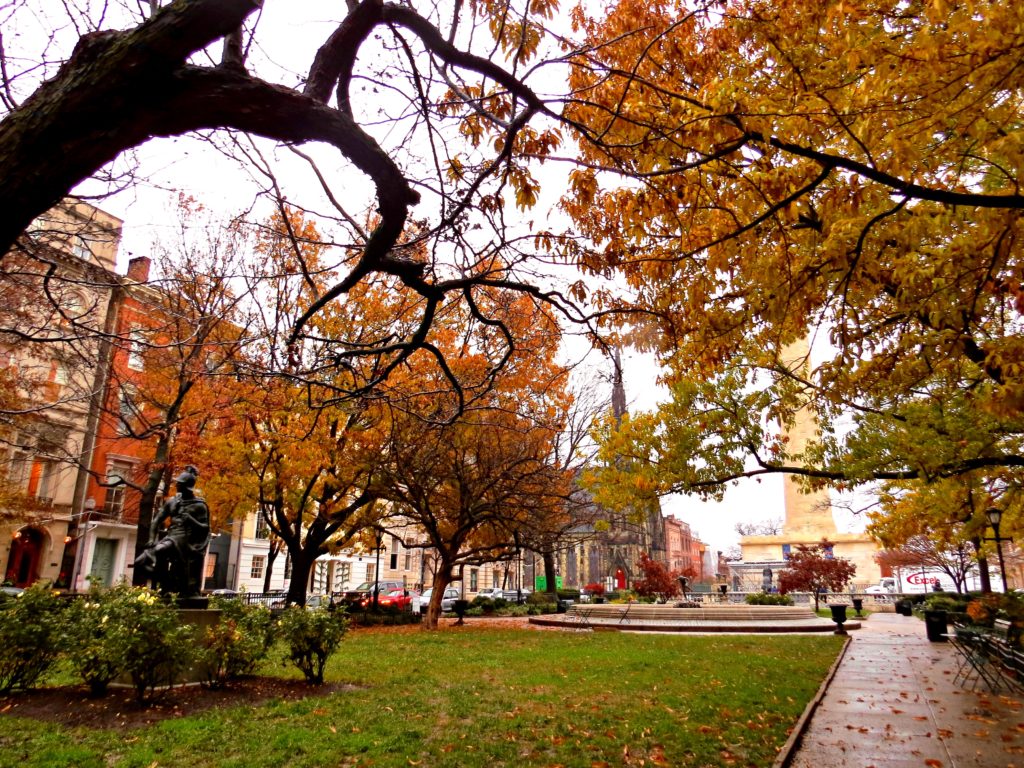
Recommended by some of my friends, Mount Vernon is very charming. It is one of the city’s oldest neighbourhoods and originally was home to the city’s most wealthy and fashionable families. It was pretty, if not a little empty. Nevertheless, it was really easy to get to because Baltimore has a free circulating bus that takes to just about anywhere in the city.
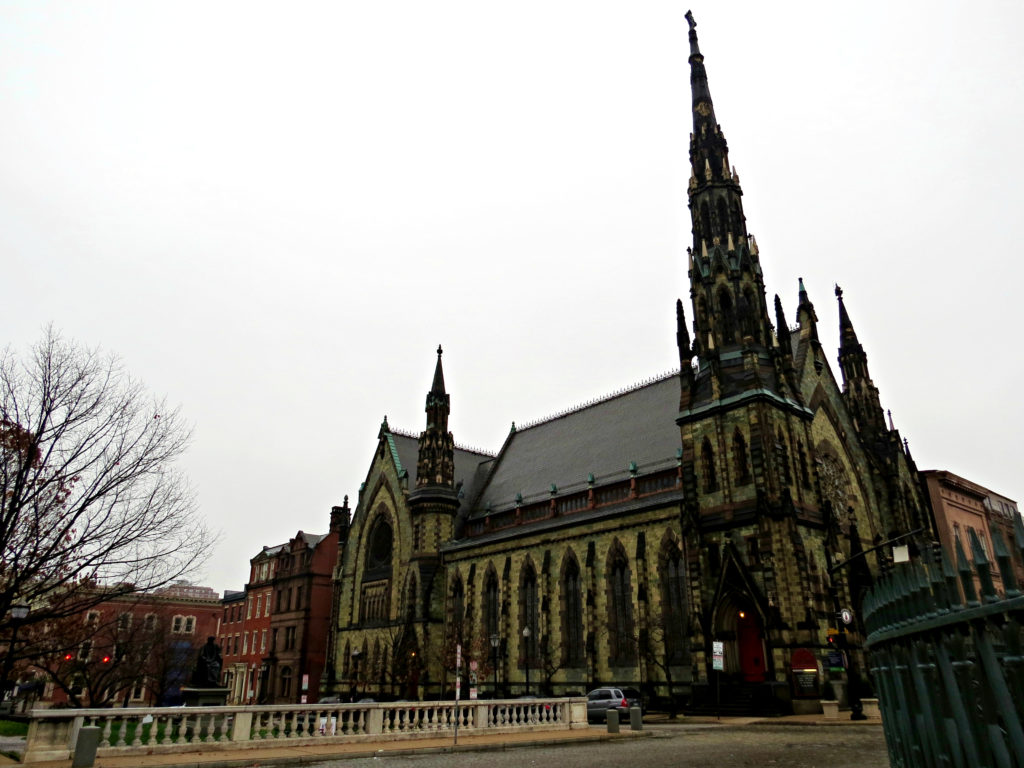
 One of the more interesting places was the Basilica. The Basilica of the National Shrine of the Assumption of the Blessed Virgin Mary to be more exact (man, these things always have such crazy names). It was the first Roman Catholic cathedral built in the United States, and it is impressive.
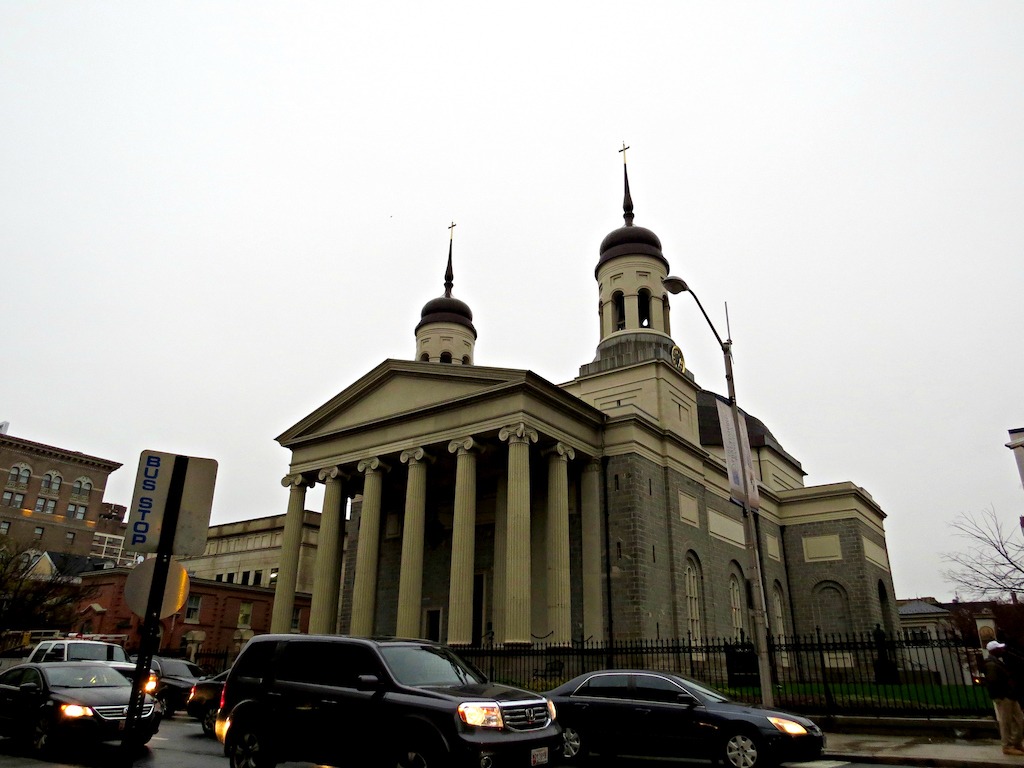
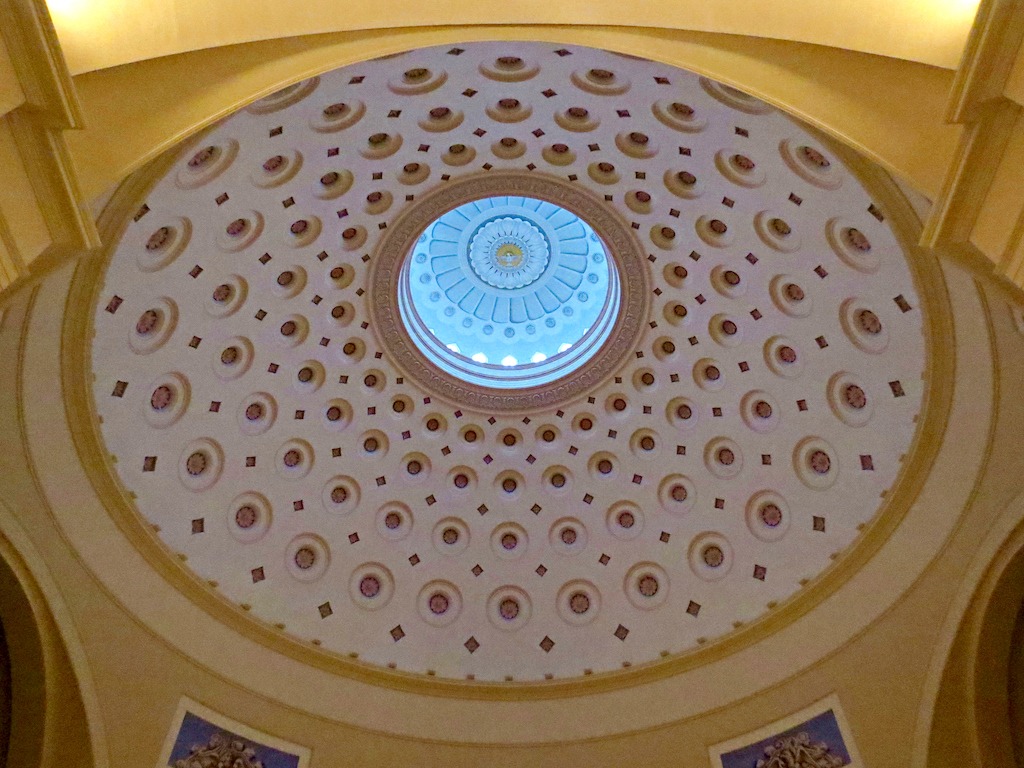
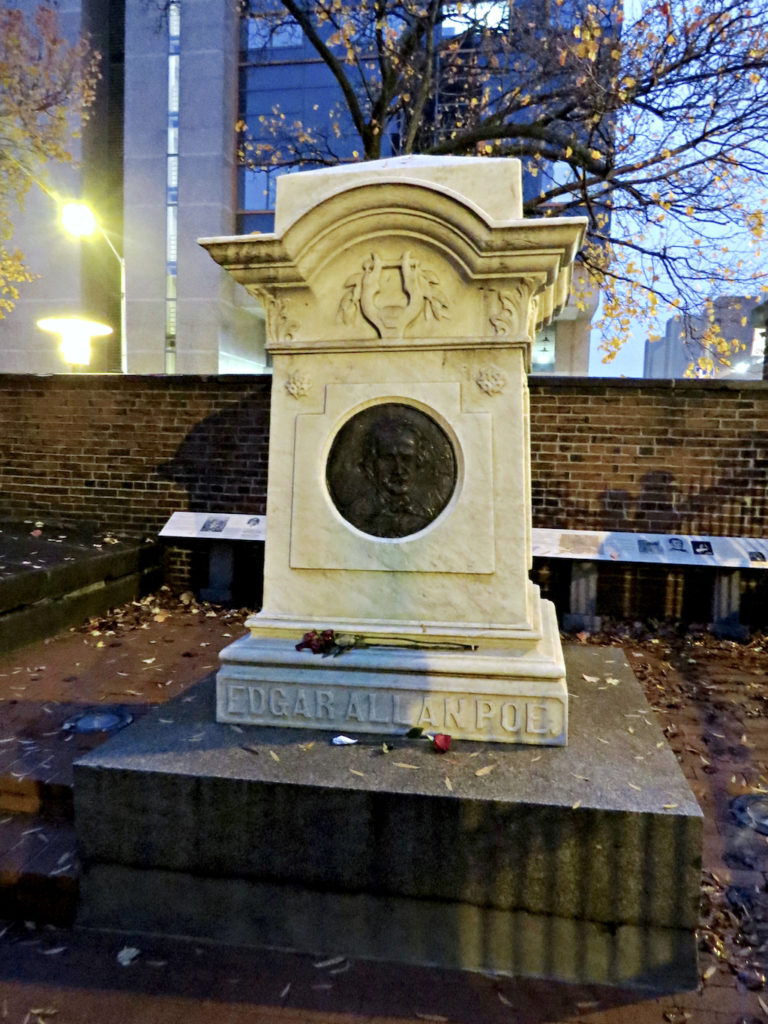
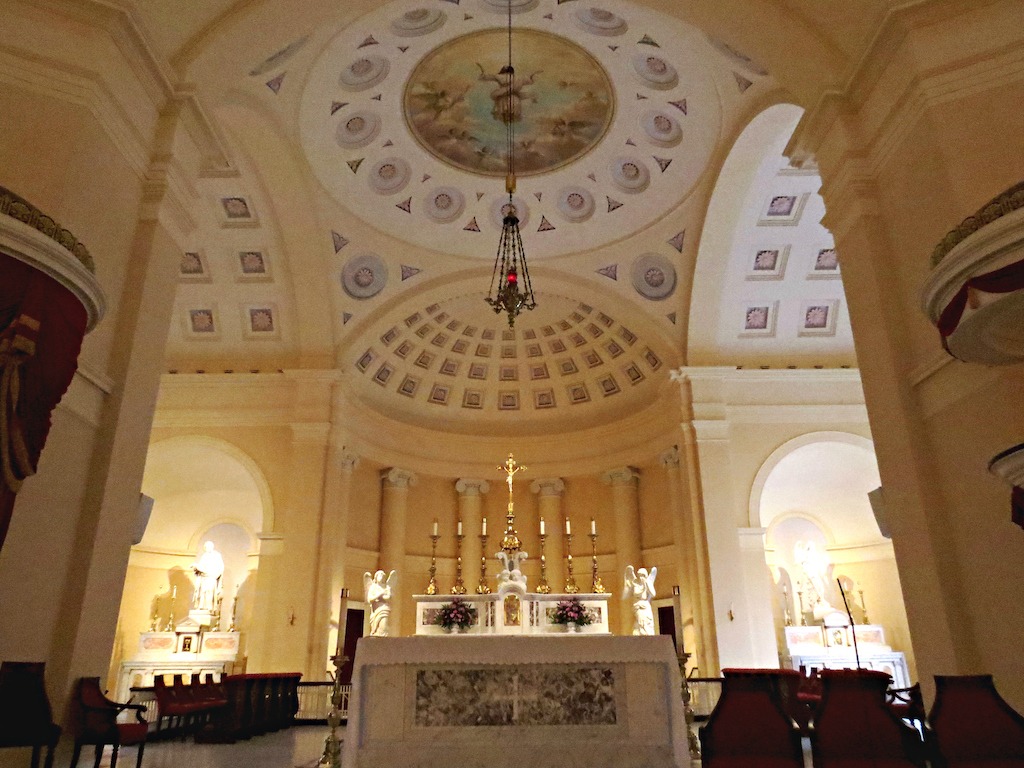 After the Basilica, we wandered around some more streets and found Edgar Allan Poe’s tombstone. There are two cities in the US that claim a lot of Poe’s history; Richmond and Baltimore. Poe was born in Baltimore, and he also died here despite being away from the city for most of his life.
 For dinner we went to Lexington Market downtown. Now, this isn’t just some hip market with expensive items. This is a REAL market for REAL people. We got some killer sushi for really cheap. It was also really interesting to people watch. We were obviously in a poor neighbourhood, and there were large groups of youth looking for trouble amongst one another. We decided to leave the area before things became more than just jokes.
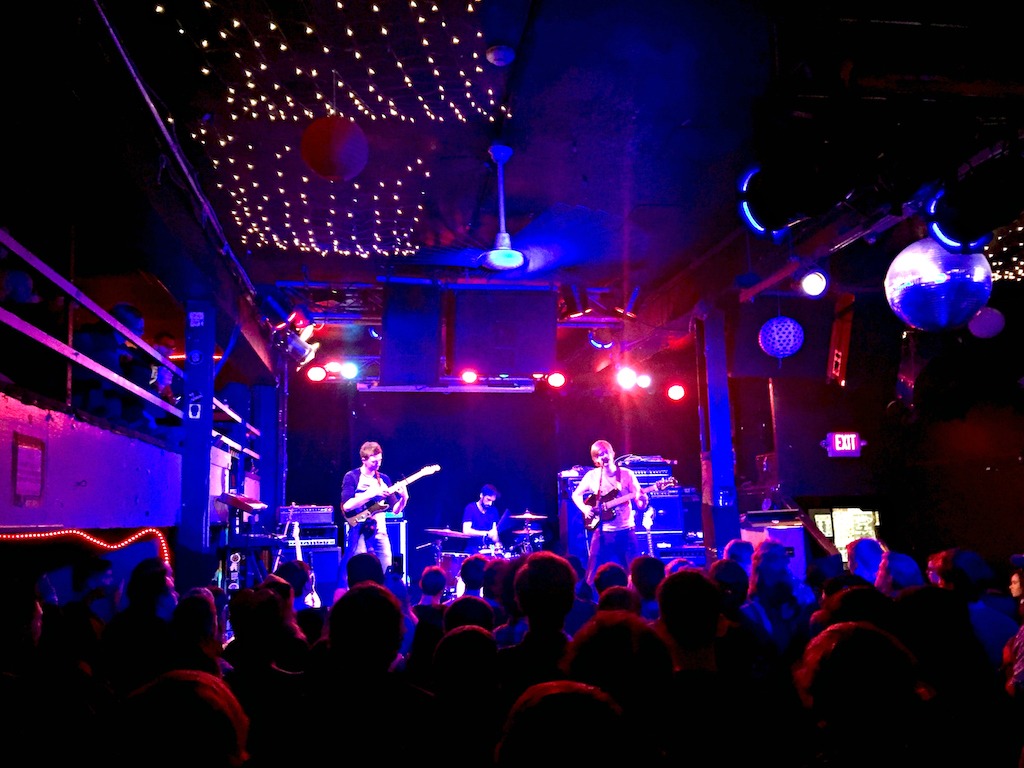
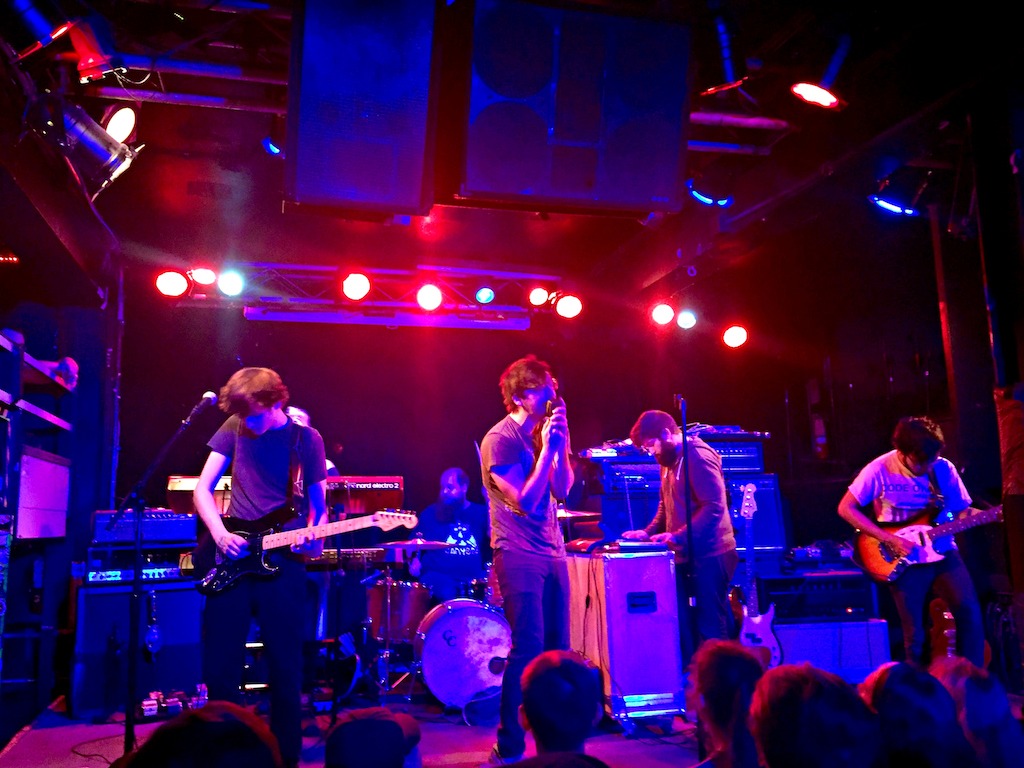
At the end of an exhausting day we got to go to a concert. In fact, our trip to Baltimore revolved around this event, so it really was the highlight! We actually had a bit of a scare entering the venue. Just as we were approaching the bouncers to show our IDs and tickets, I noticed a sign on the wall that said non-US citizens can only show a passport. And sure enough, the bouncer looked at us and asked if he had a passport. He only had his Driver’s License. I think both of our hearts stopped for a moment, thinking that we couldn’t enter. But, the guy just explained that Victor couldn’t have alcohol (and so the black x’s were marked on his hands hehe). Everything worked out! The openers were TTNG (This Town Needs Guns), followed by Foxing, and finally The World Is A Beautiful Place & I Am No Longer Afraid To Die (great name, I know).
Day 2: To the Harbour
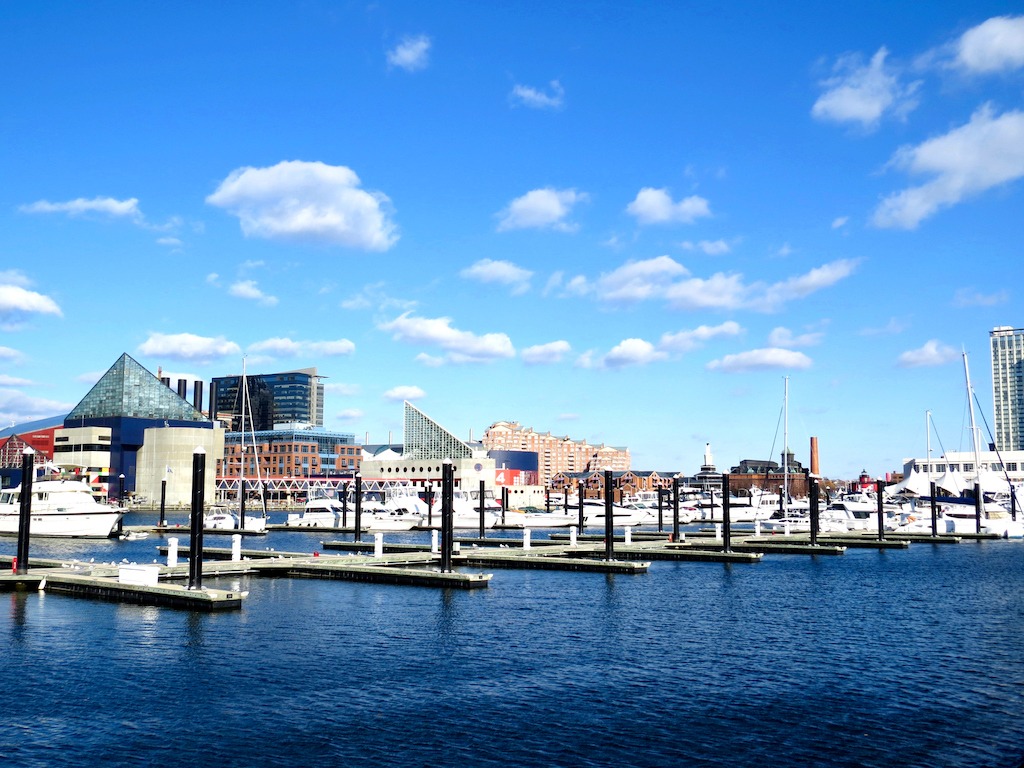
Our second day in Baltimore was rather cold and breezy, but we were excited to see what else the city had to offer. In direct contrast with the day before, we headed to the more touristy and redeveloped area of Baltimore. We started out by going to the American Visionary Museum, which is the most unusual museum I have ever been to. It’s chock-full of interesting sculptures and designs. And, in the sunlight, everything was glistening like crazy!
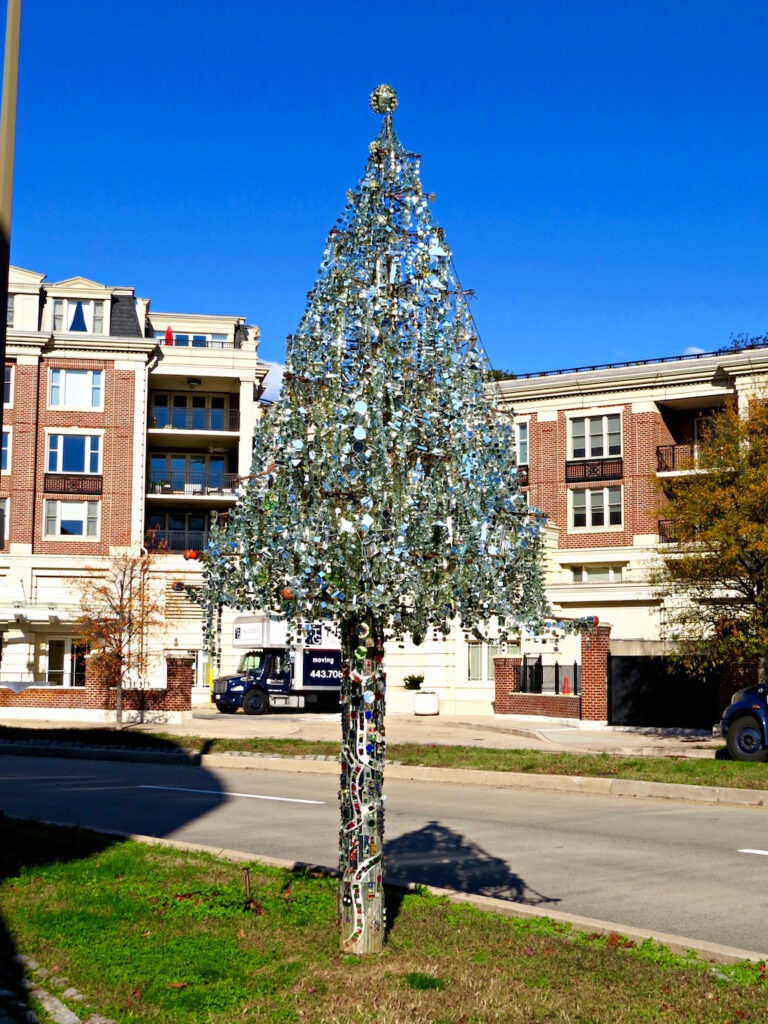
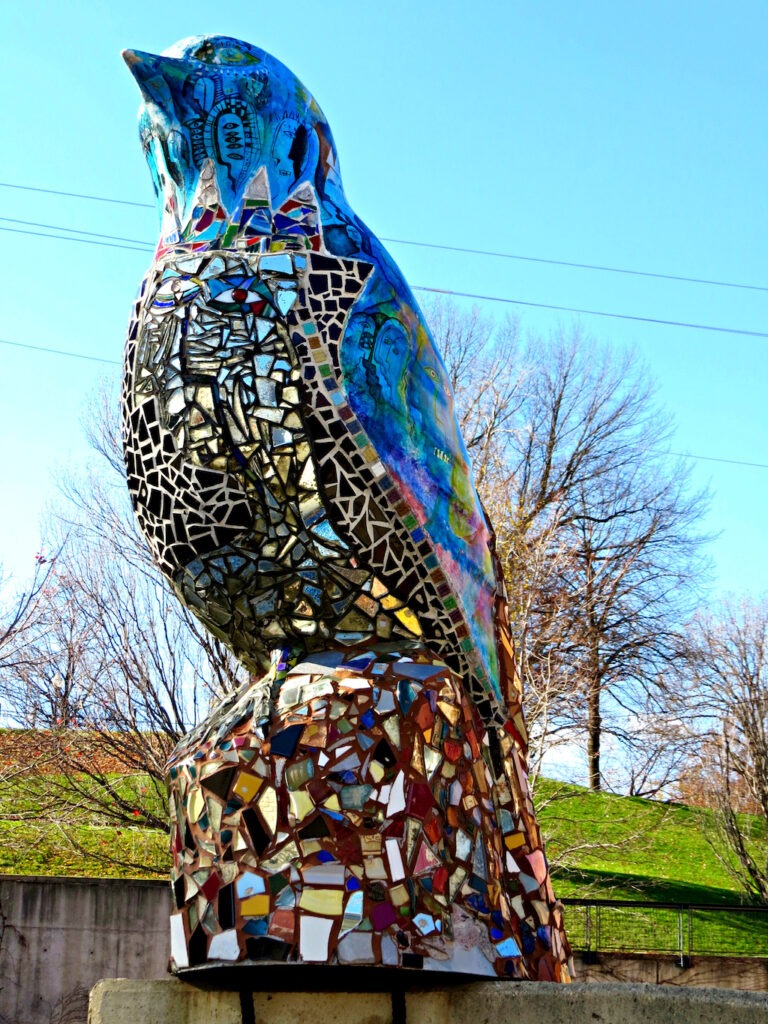
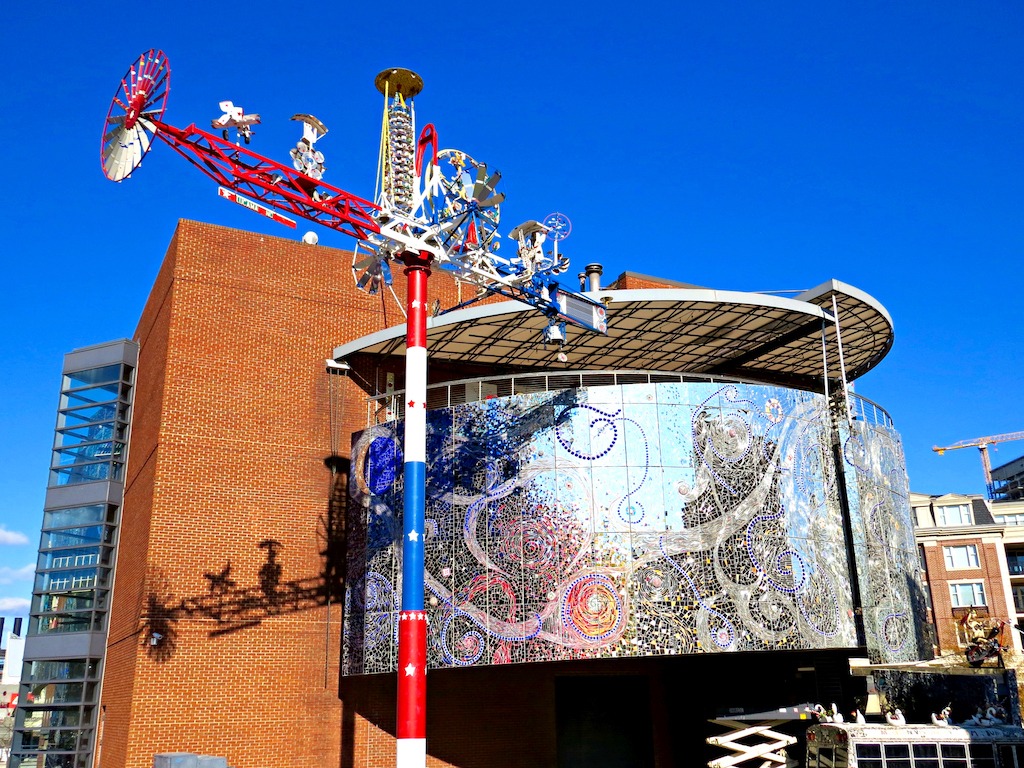
As I came to learn, the museum specialises in the preservation and display of outsider art. Outsider art is pieces of art created by self-taught artists. Consequently, many outsider artists are not discovered until after their death. We did not enter the museum, but we did continue to explore the grounds.
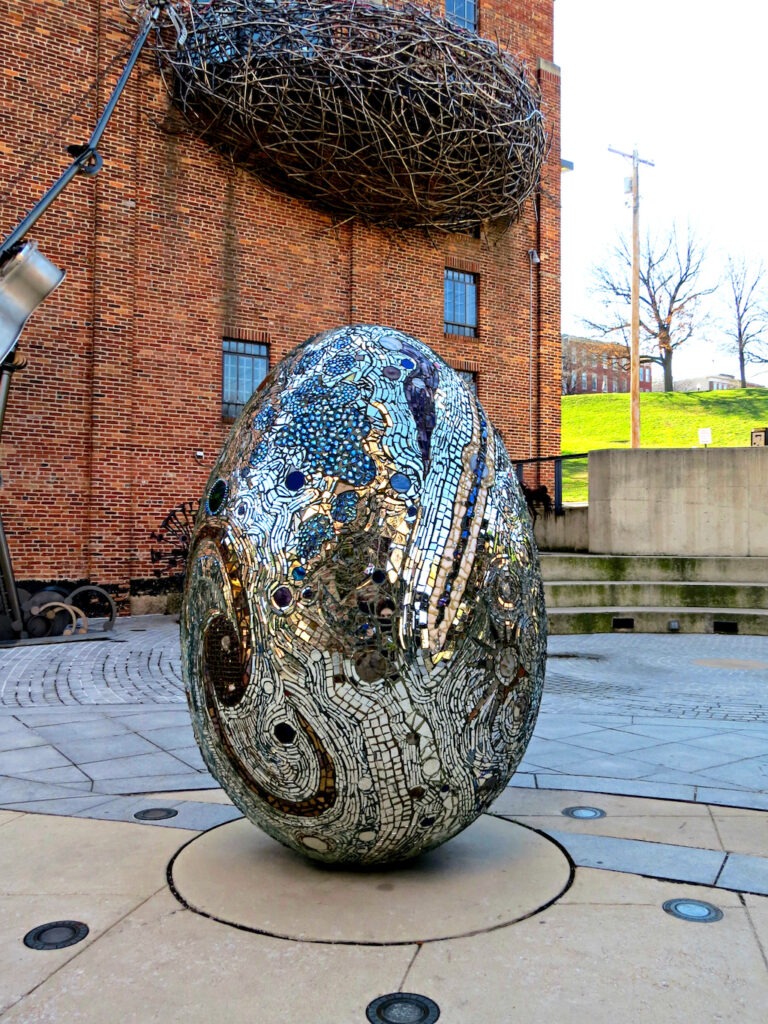
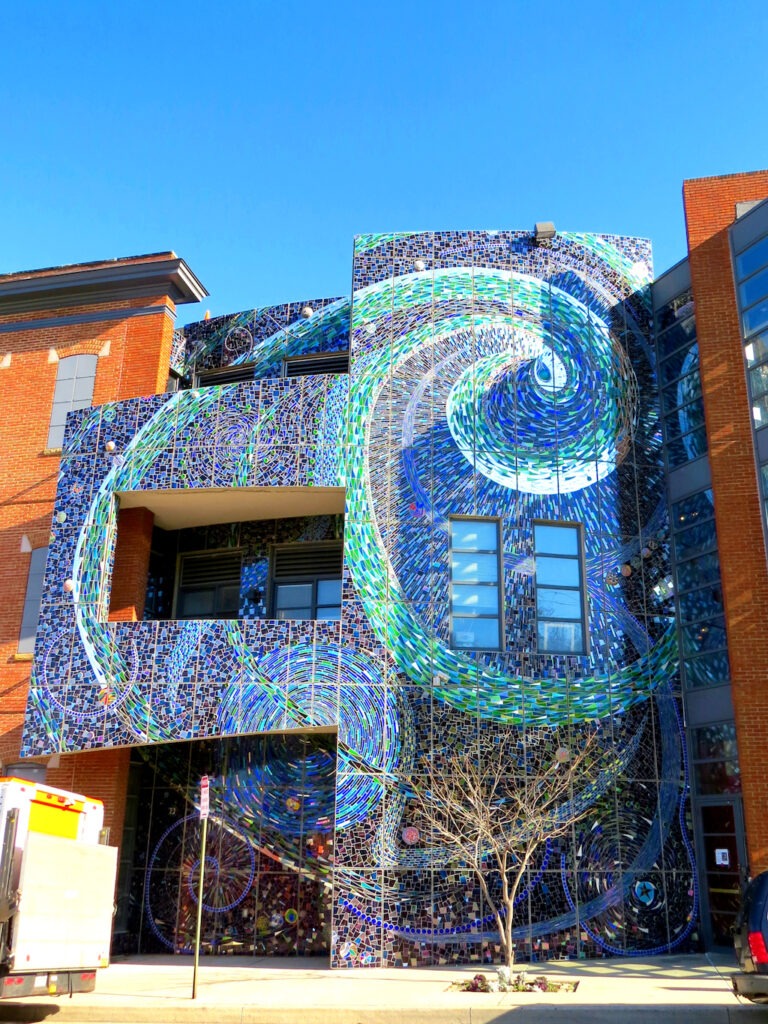
After looking at all the glass sculptures and art pieces, we walked up a very steep incline to reach Federal Hill Park. It was nice to see views of the Inner Harbour from the park. We tried to eat our packed lunches in the park, but the wind became so intense that we had to make a run for it. We found a nice little bench, using the hill to shield us from the wind (smart kiddos here).
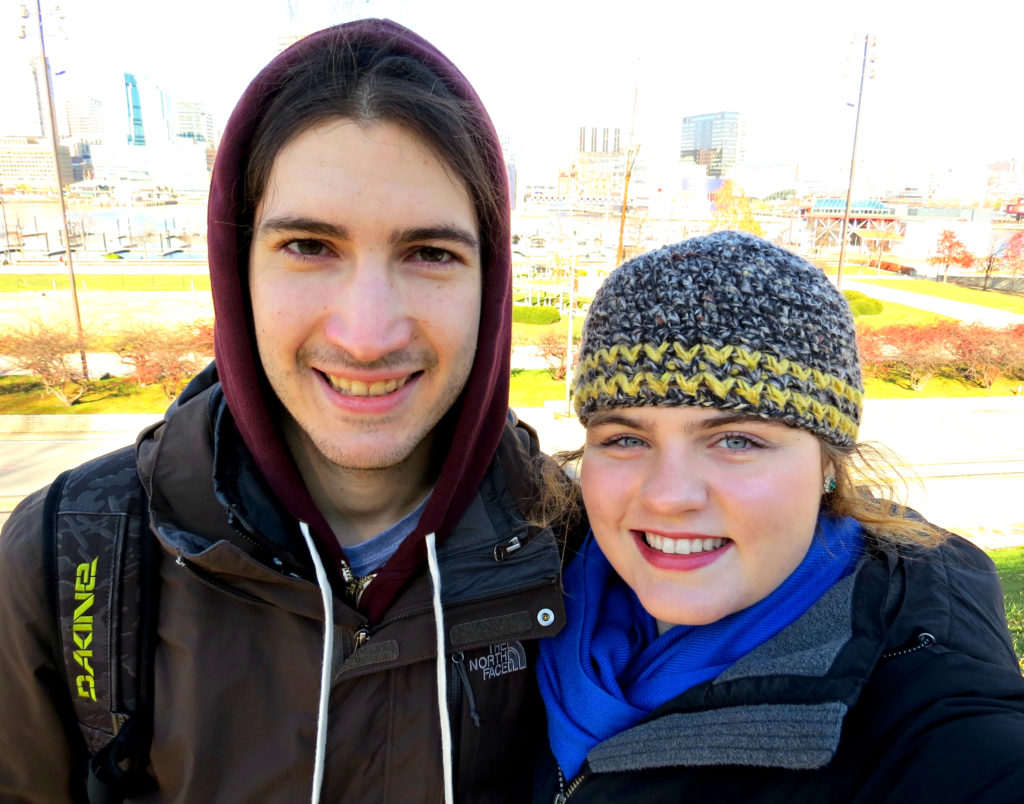 I had a Groupon to go to Top of the World, an observation deck near the harbour. Though definitely not the top of the world, the views from the top are pretty incredible. From the 27th floor you can see a whole including all of the harbour. The harbour is a special place and I was so happy to see it all.
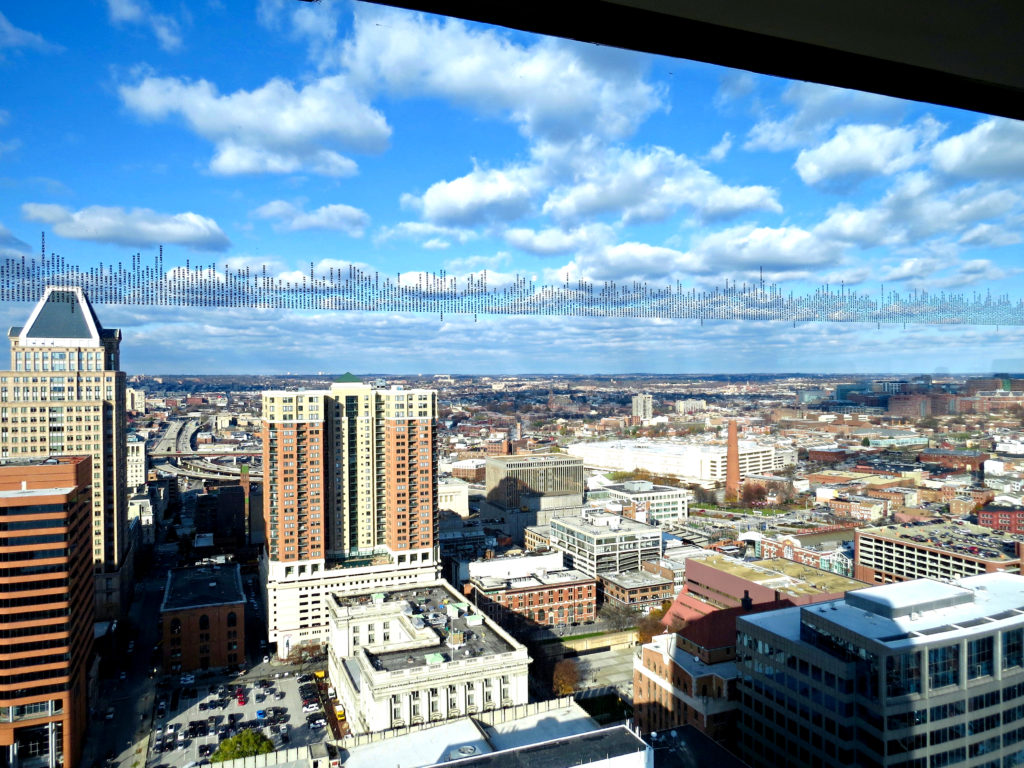
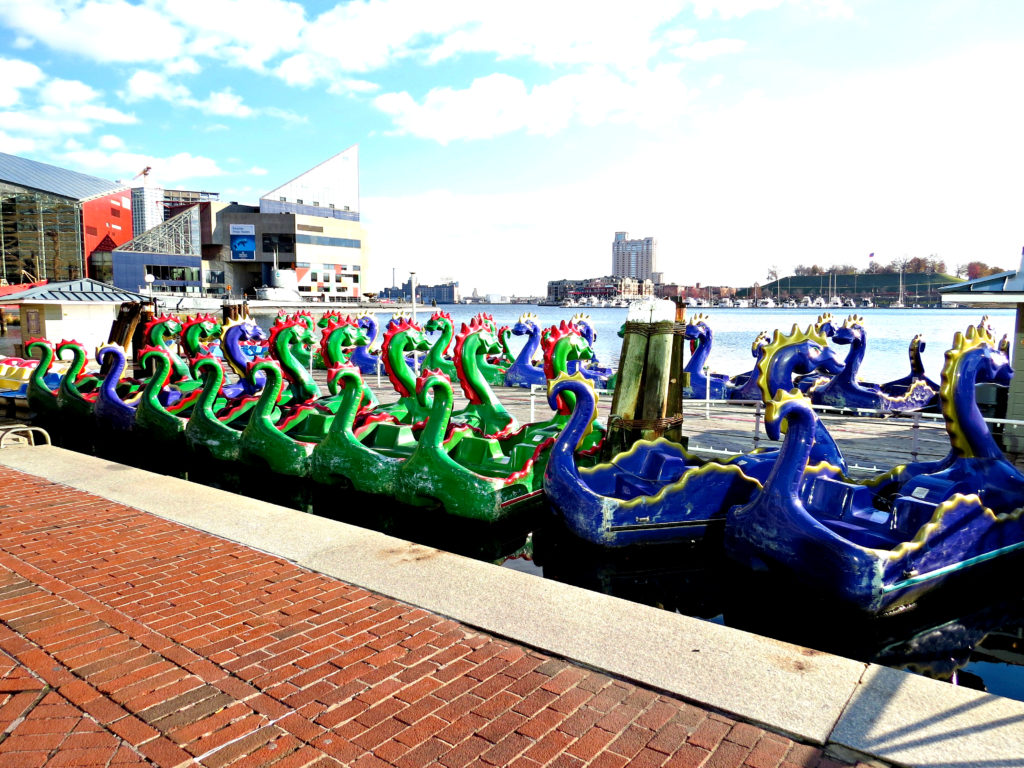
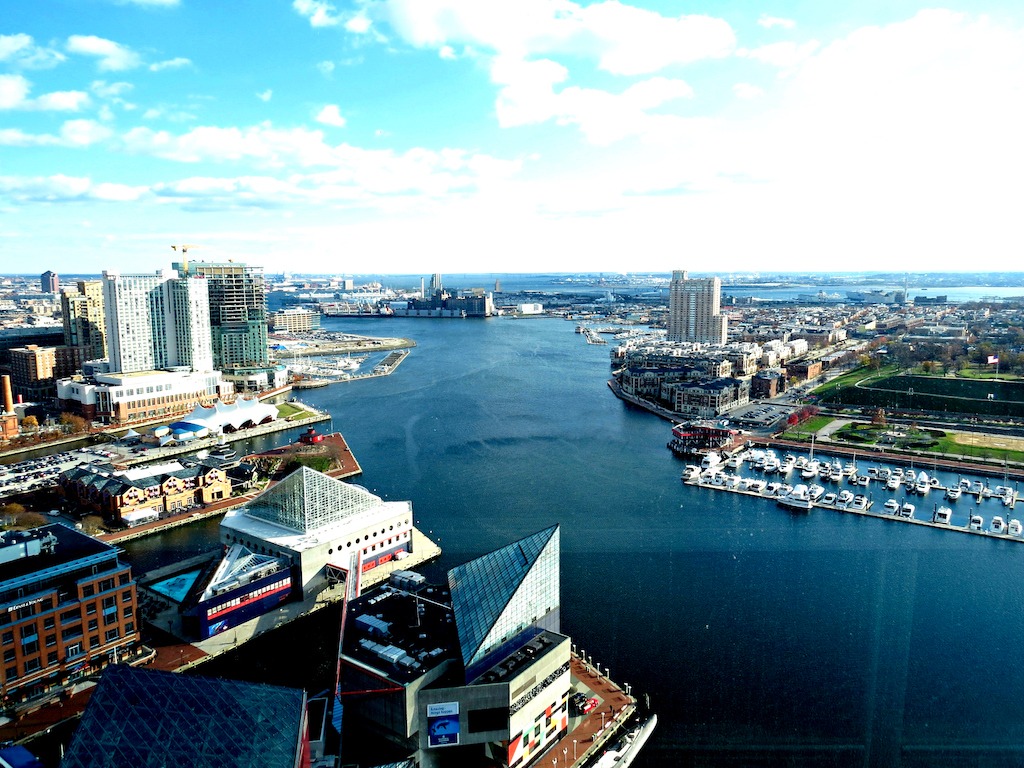 The inner harbour is such a lively, fun place. I love all the restaurants, bars, and of course the aquarium. Like all aquariums, the ticket price is hefty. But, as a previous visitor, I can definitely recommend this incredible collection of exhibits. You can also can’t miss out on the many seafood restaurants around. My mother recently went to Bo Brooks for her birthday, but we have been to several other great ones. Maryland crabs are the best in the world!

 Our final stop of the day was the Baltimore Museum of Art. Did you know that this art museum has the largest collection of Henry Matisse’s in the entire world?! I never would’ve guessed!
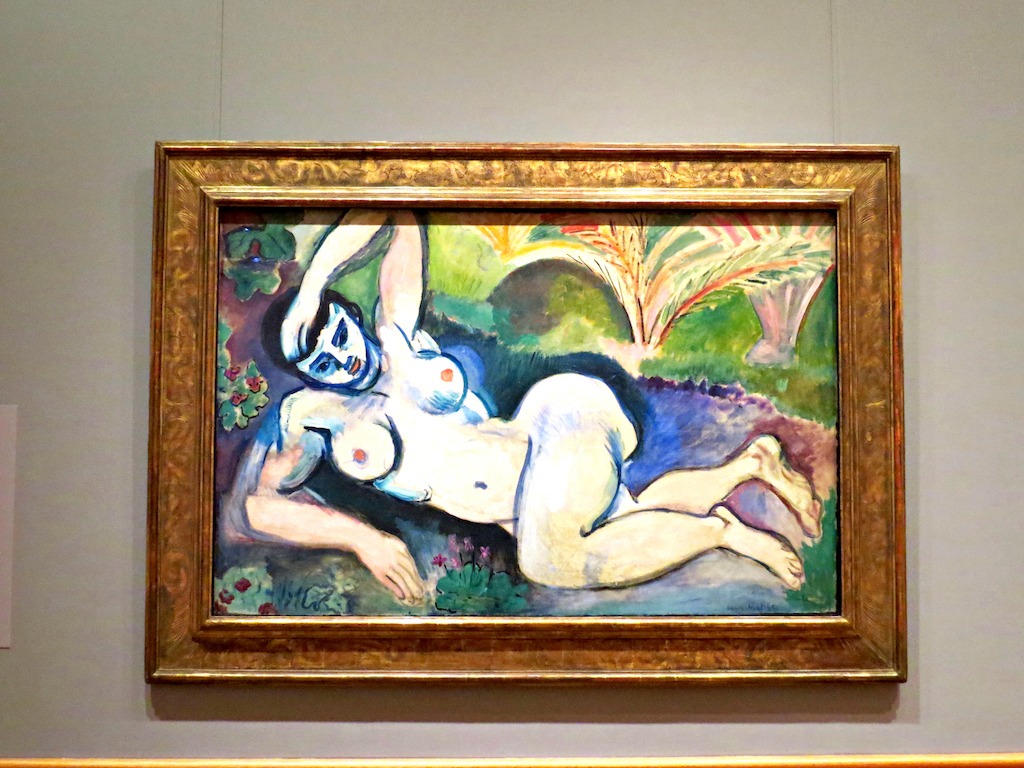
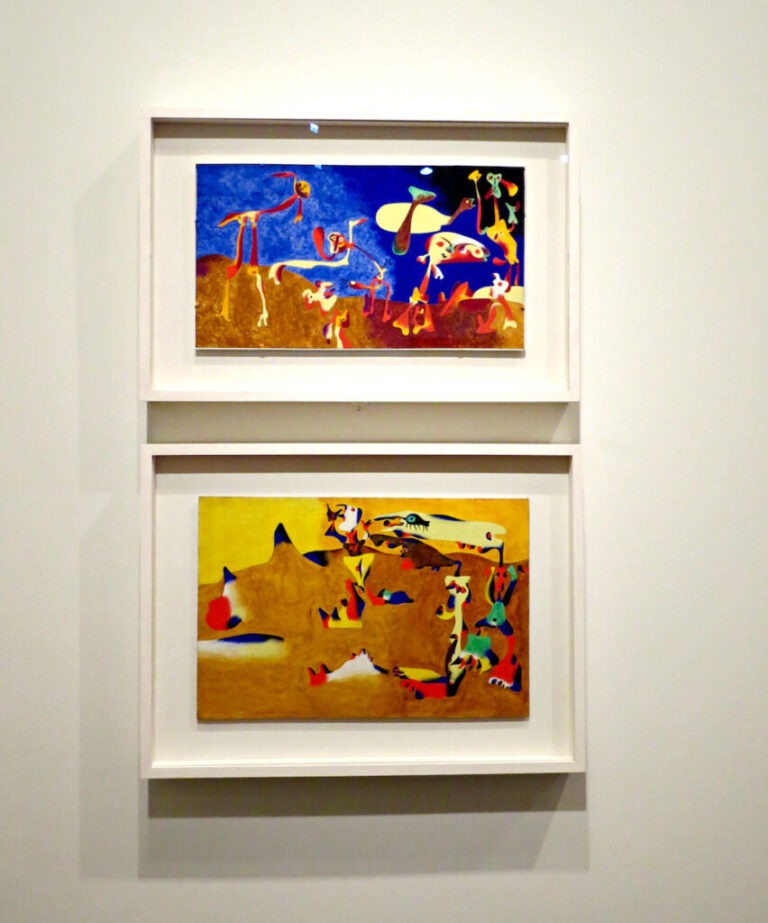
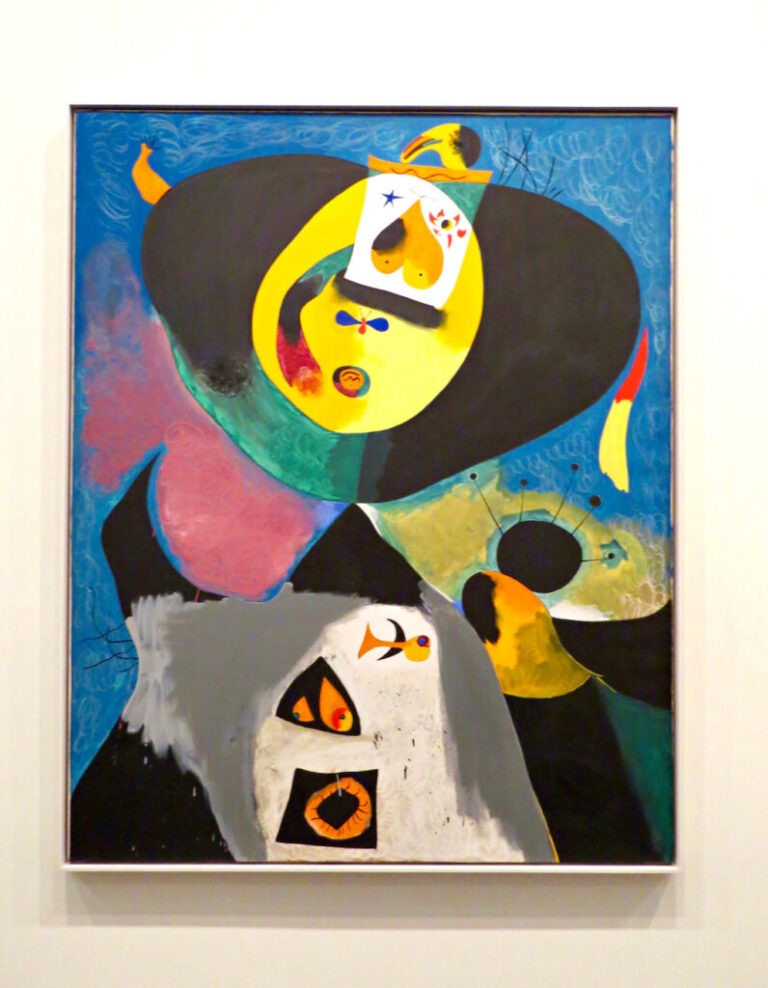
Obviously, there were some majorly wealthy people living in Baltimore. In fact, those wealthy people formed the core of the museum. The Cone Collection was brought together by famed Baltimore sisters Dr. Caribel and Miss Etta Cone. Accomplished collectors, these sisters amassed a wealth of works by artists including Matisse, Picasso, Cézanne, Manet, Degas, Giambattista Pittoni, Gauguin, van Gogh, and Renoir, nearly all of which were eventually donated to the Museum.
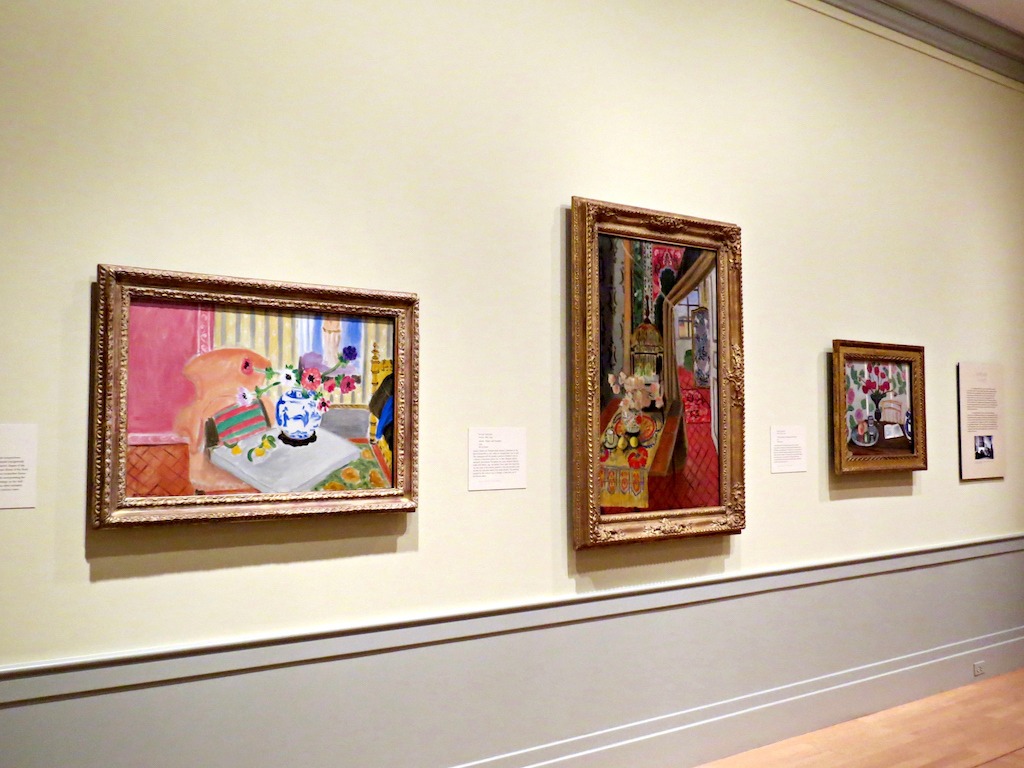
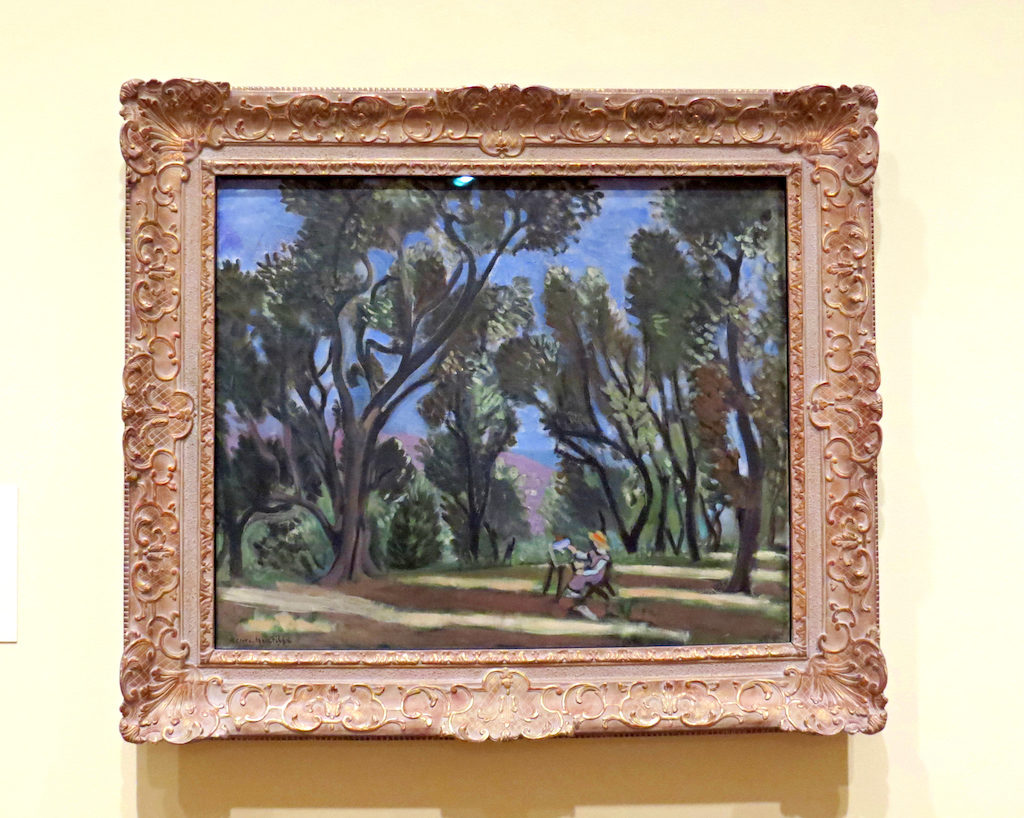
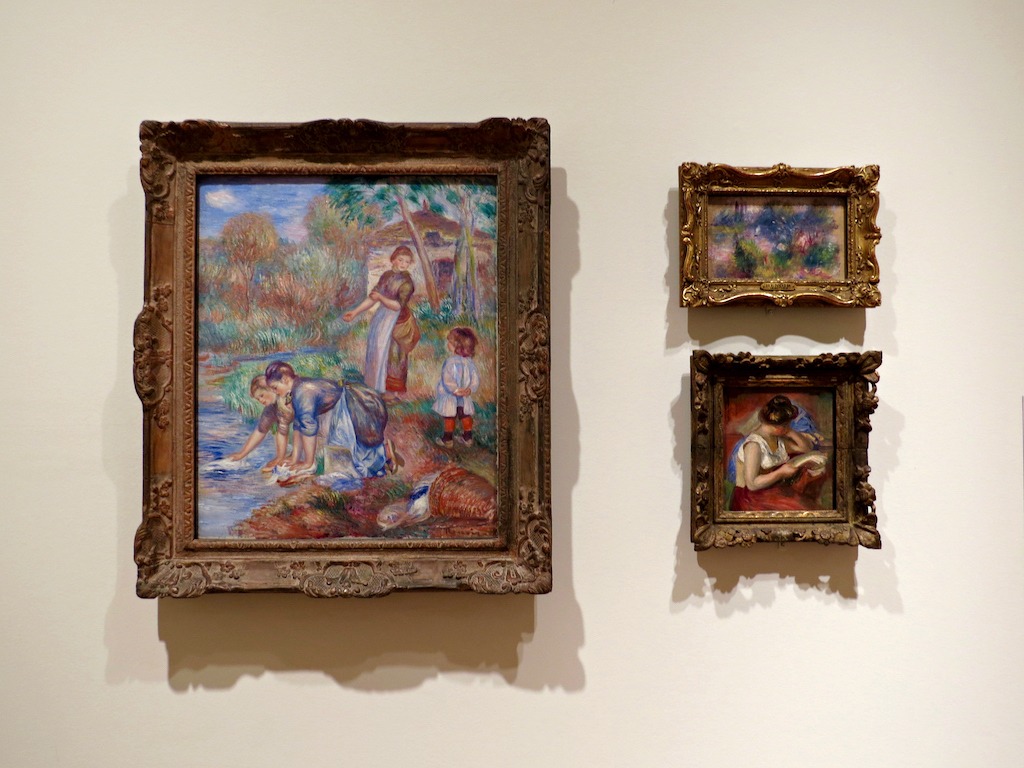
Lucky for us that the public gets see all these beautiful works for ourselves! This was a delightful surprise, and I loved the way the museum was laid out. Definitely something not to miss in Baltimore!
For more fun in Maryland, check out my post on Annapolis.
No Comments