
As springtime approaches London, it is sad not to see any cherry blossom trees around. Posts on Facebook keep showing blossoms blooming in Japan which reminds me of a beautiful festival in my home city, Washington, DC.
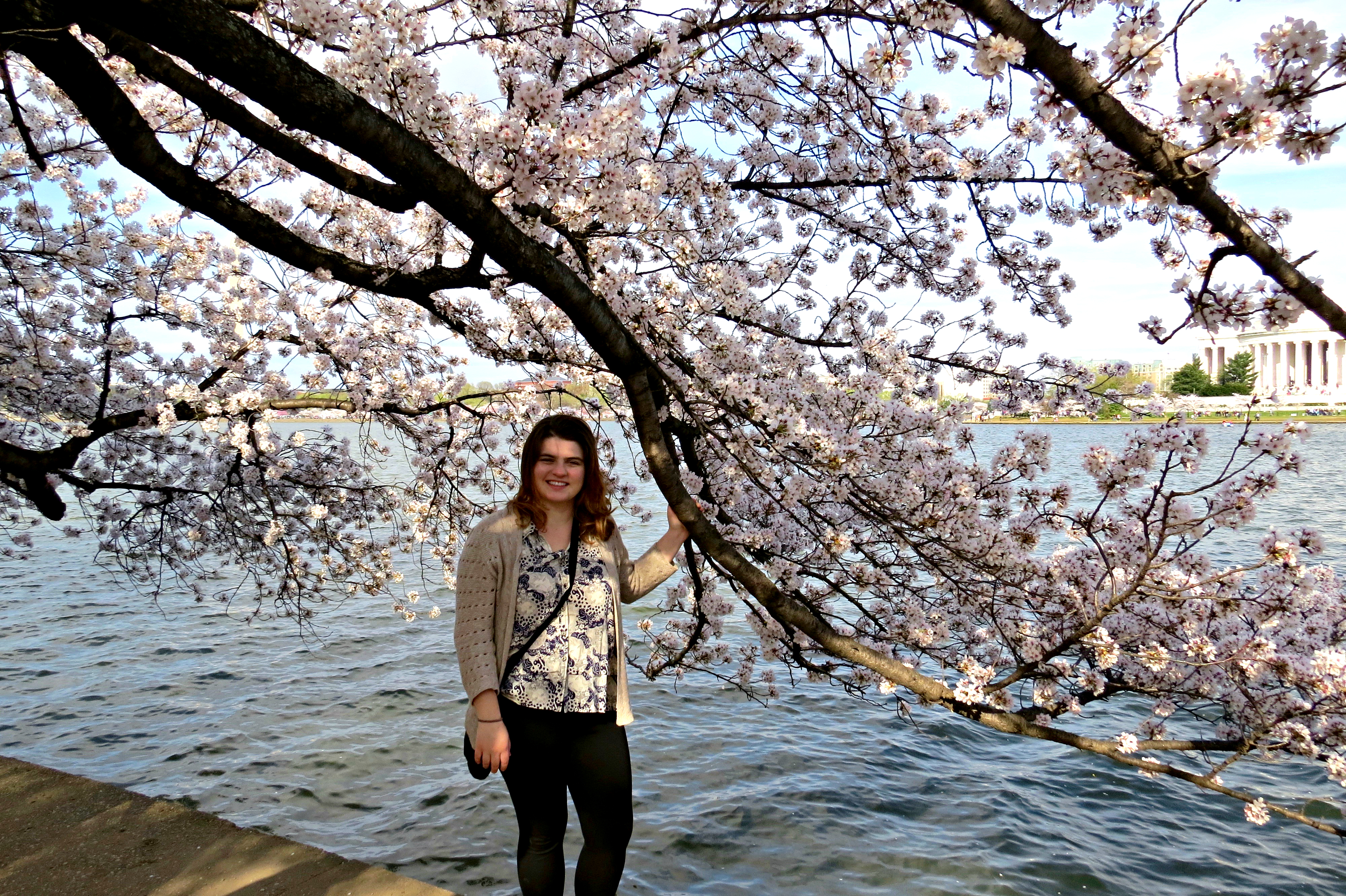
The National Cherry Blossom Festival is one of the most beautiful times of the year in Washington, DC. It is one of my first memories in DC as my family transitioned from foreign service life to a full out stateside one. I’ve been a couple times and each year I am absolutely floored by all the beauty. It truly is an amazing site and I’m not sure anyone would disagree. There’s something magical about the trees reflecting on the Tidal Basin in a grand circle.
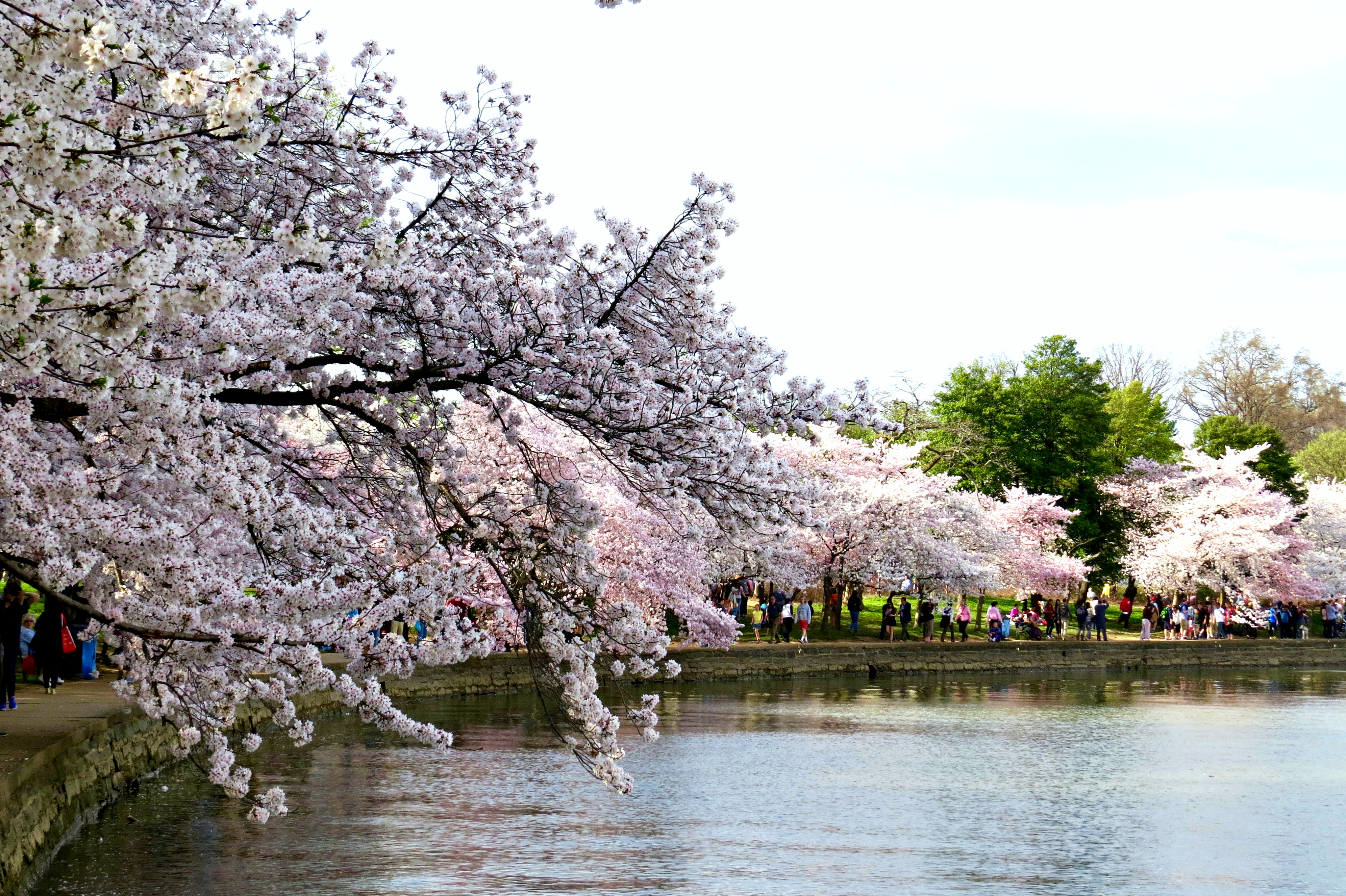
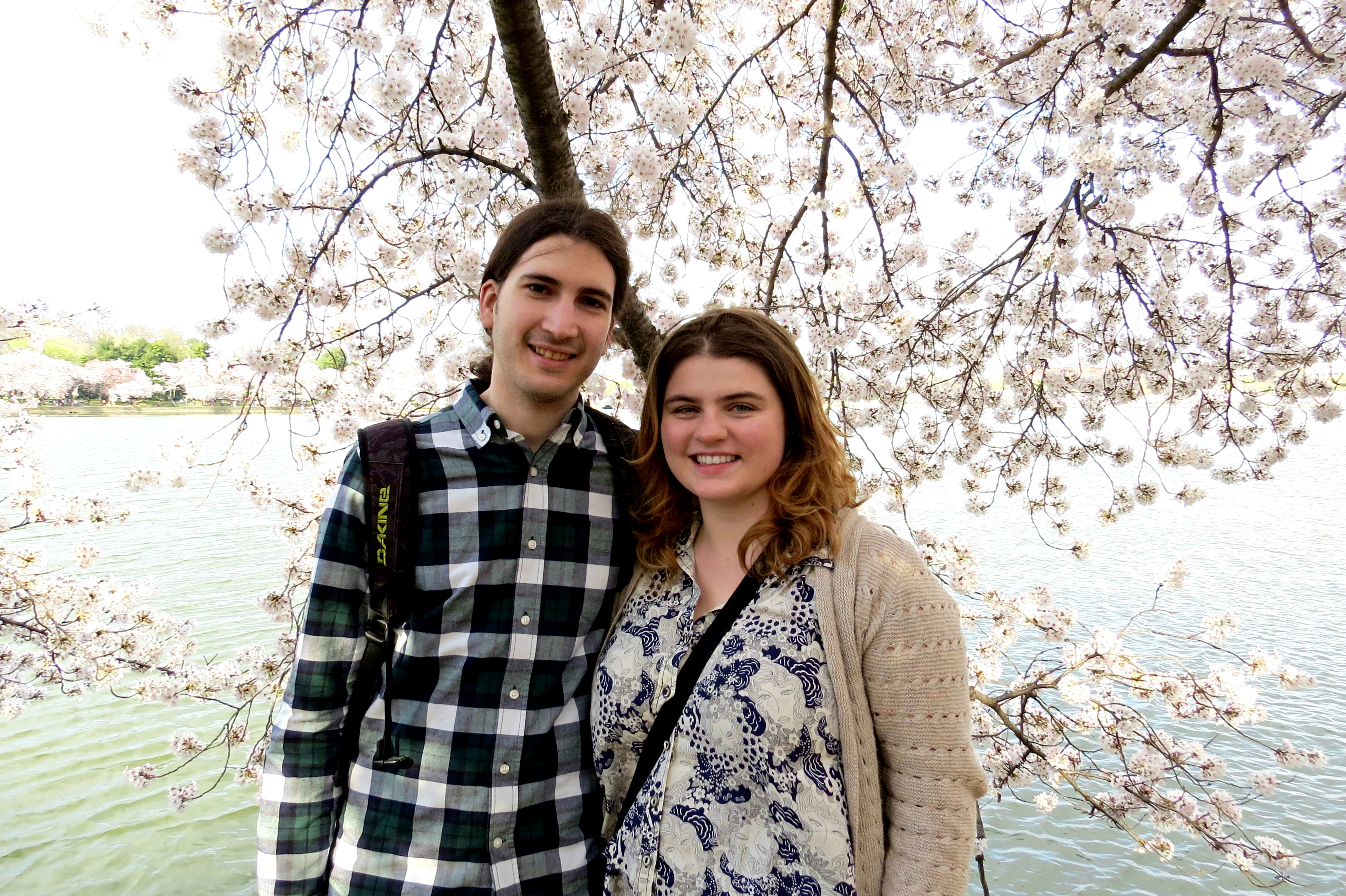 One particularly special occasion was when Victor decided to visit during springtime. While searching for things to do, I realised he would be in DC right around when the cherry blossoms bloom. The goal is to be at the basin on the Peak Bloom Date. The Peak Bloom Date is defined as the day on which 70 percent of the blossoms of the Yoshino cherry trees that surround the Tidal Basin are open. So, it’s pretty lucky to be there right on the exact day. Several horticulturists monitor the blossoms, predicting the precise moment when they will bloom. There’s even a Blossom Cam! I frantically refreshed the ‘Bloom Watch’ page seeing if Victor would make it. Each year is a completely different date and many newspapers try and guess when the Peak Bloom Date will occur. And voila! He arrived the evening before Peak Day! Can you believe it?!
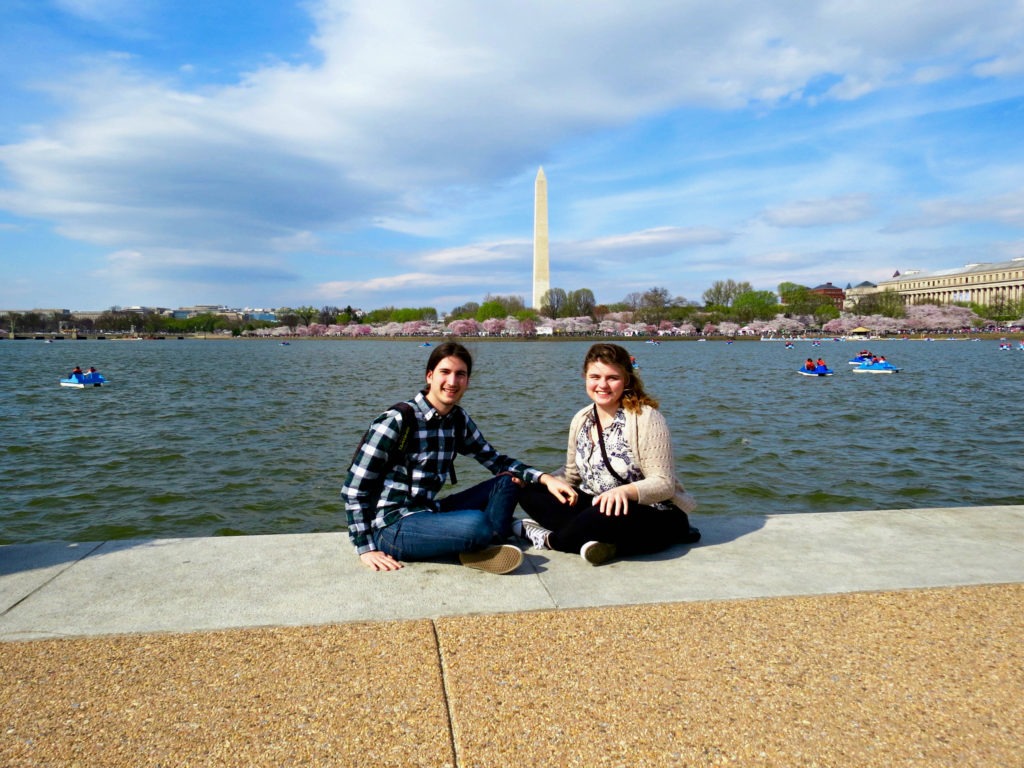
The National Cherry Blossom Festival commemorates the March 27, 1912, gift of Japanese cherry trees from Mayor Yukio Ozaki of Tokyo City to the city of Washington. Mayor Ozaki donated the trees in an effort to enhance the growing friendship between the United States and Japan and also celebrate the continued close relationship between the two nations.
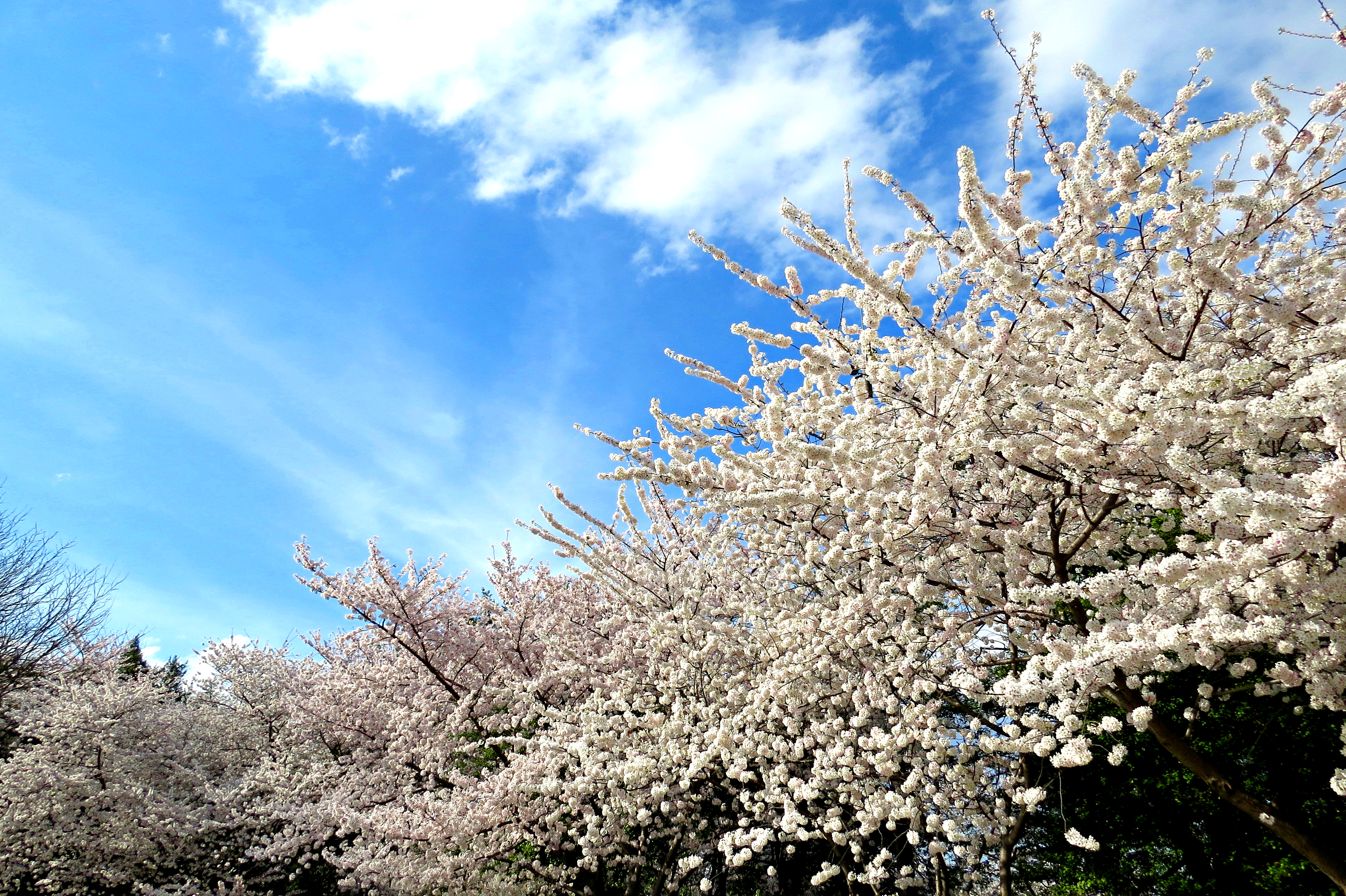
There are actually many types of cherry blossom trees around the Tidal Basin. Of the initial gift of 12 varieties of 3,020 trees, the Yoshino and Kwanzan are the most prevalent. The Yoshino produces single white blossoms while the Kwanzan comes into bloom two weeks after the Yoshin and it produces clusters of clear pink double blossoms. There are also a small number of Akebono, Fugenzo, Shirofugen, Weeping Cherry, Autumn Cherry, Sargent Cherry, Usuzumi, and Takesimensis cherry trees.
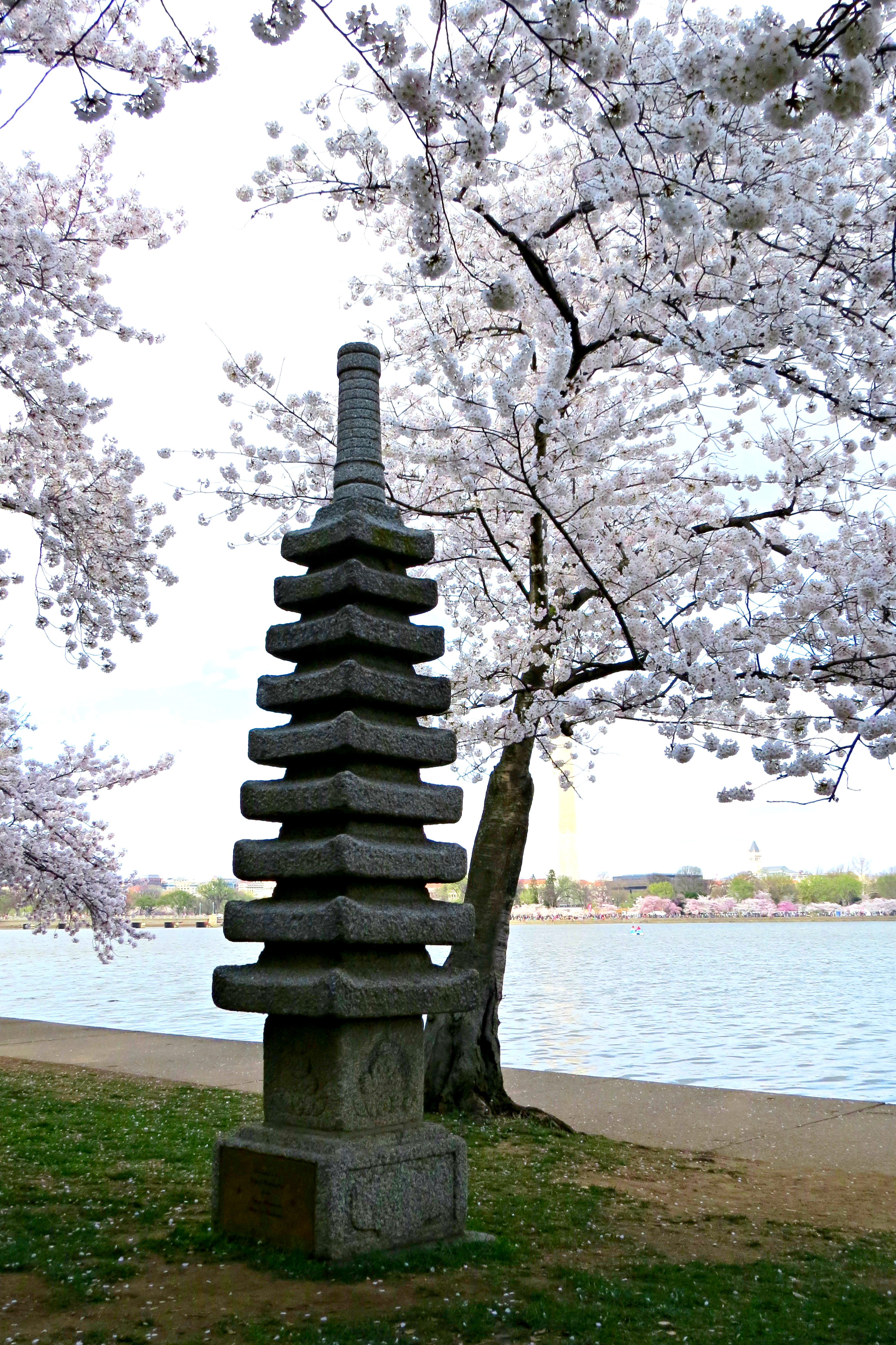
 One of the neat monuments around the Tidal Basin is the Japanese Stone Lantern. In 2013, the Trust for the National Mall managed the construction of the Japanese Stone Lantern Plaza. At 360 years old, the Japanese Stone Lantern is on the National Register of Historic Places, and has been preserved as the historic centrepiece of the annual Cherry Blossom Festival.
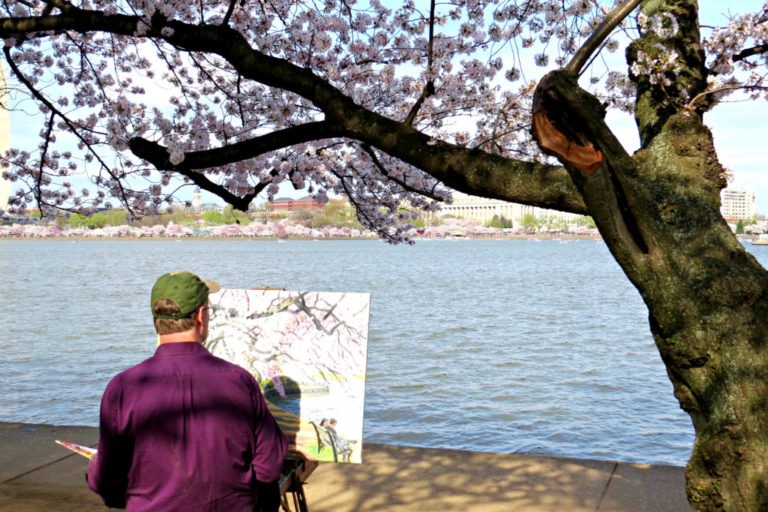
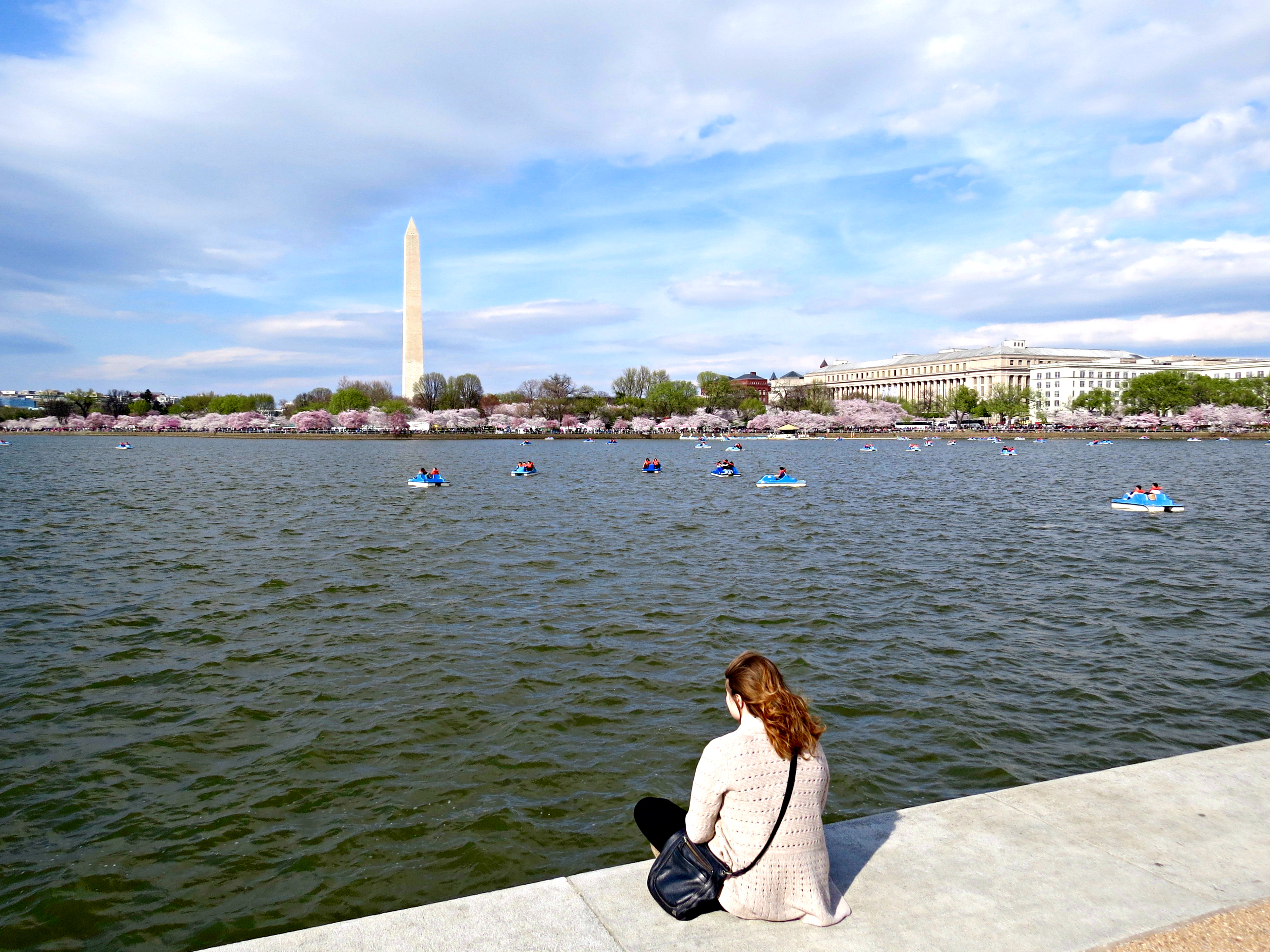
 We walked around the entire Tidal Basin, enjoying all the wonderful trees. It is really neat to see how each of the trees take on different shapes. We started at the Washington Monument and walked counterclockwise and, in my opinion, the trees just got prettier and prettier.
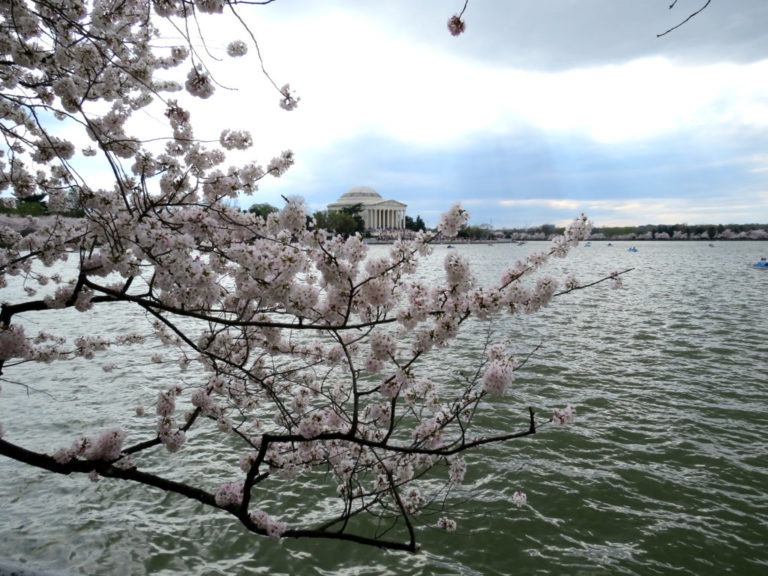
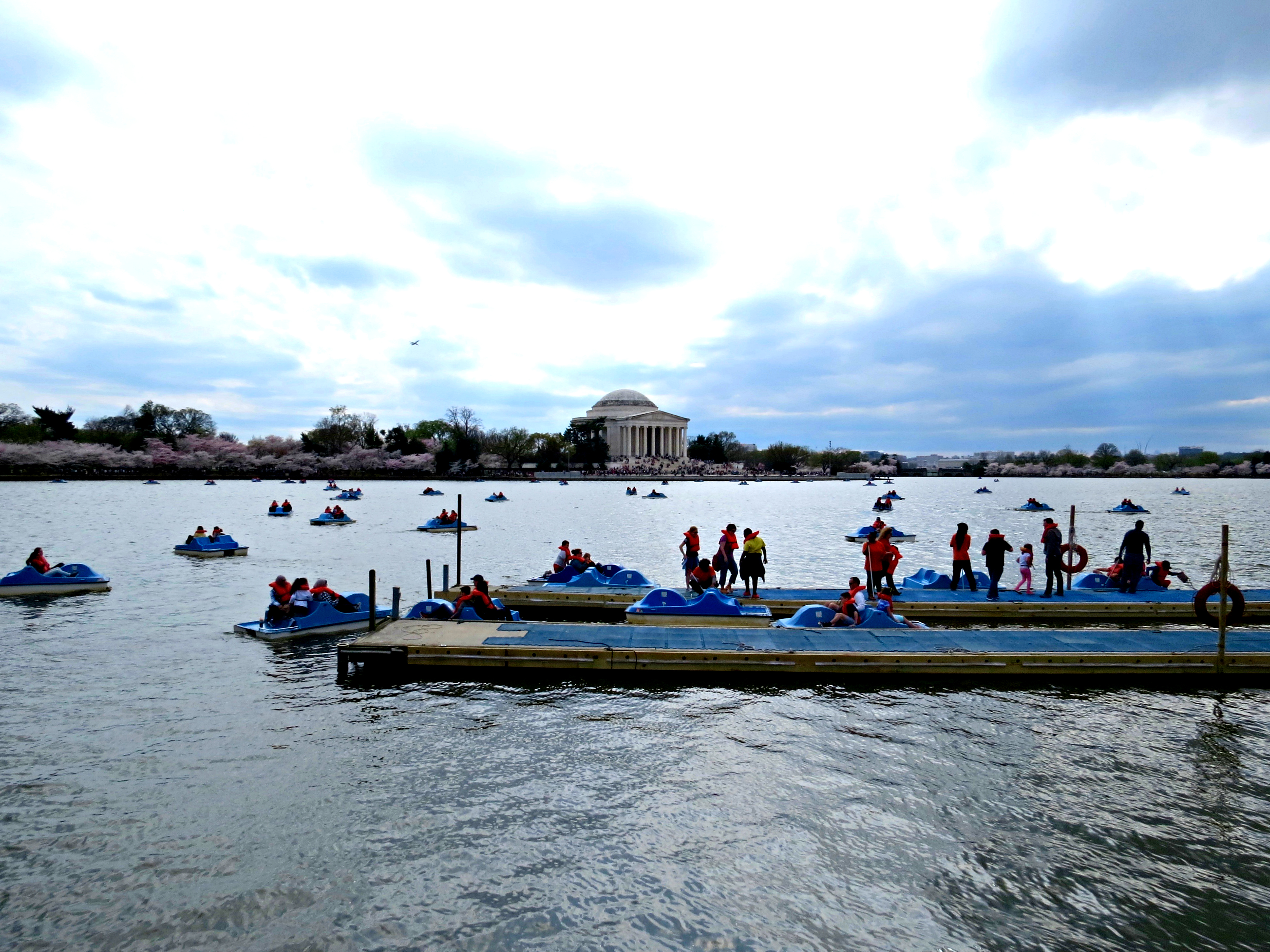
For lunch we had brought packed lunches, so we sat out on the ledge of the water in front of the Jefferson Memorial. We watched the paddle boat riders make their way across the lake. It may look enjoyable, but I know those paddlers are suffering like no other!
 All in all, the cherry blossoms are definitely something not to miss. In addition to the actual cherry blossoms, there is a festival to celebrate them. Today’s National Cherry Blossom Festival has grown from modest beginnings to the nation’s greatest springtime celebration. The Festival typically spans four weekends and welcomes more than 1.5 million people to enjoy the programmes and the trees.
 Here in London, I still miss this annual celebration in DC, but I’m mostly just so happy I could share this with Victor. Nothing is more romantic than being in a sea of flowers. Even looking at older photos makes me smile. Welcome, Spring!

No Comments