Rome dazzled me with its art, history, food, and sheer theatrical grandeur. There is perhaps no better way to begin discovering Italy than in the capital. And yet, as extraordinary as Rome is, it felt like an introduction. Naples felt like the revelation. It was not Rome that stole my heart on this trip. It was Naples. Yes, Naples.
Before arriving, I had absorbed the usual warnings. It’s dirty. It’s rough. It’s chaotic. It’s unsafe. And yes, there are corners of the city that are gritty and confronting. Laundry hangs between crumbling buildings. Scooters weave through impossible gaps. Pavements are uneven, traffic rules appear optional, and life spills loudly into the streets.
But Naples has something Rome does not even attempt to have: raw, unfiltered character. A soul that is both troubled and deeply sophisticated. A city that does not perform for you, but simply exists as it is.
At first, I felt slightly overwhelmed. It was louder, faster, and more intense than Rome. Yet as the days passed, I felt something unexpected: relief. Naples was not curated. It was not polished for admiration. It was alive.
Understanding Naples Through Pulcinella
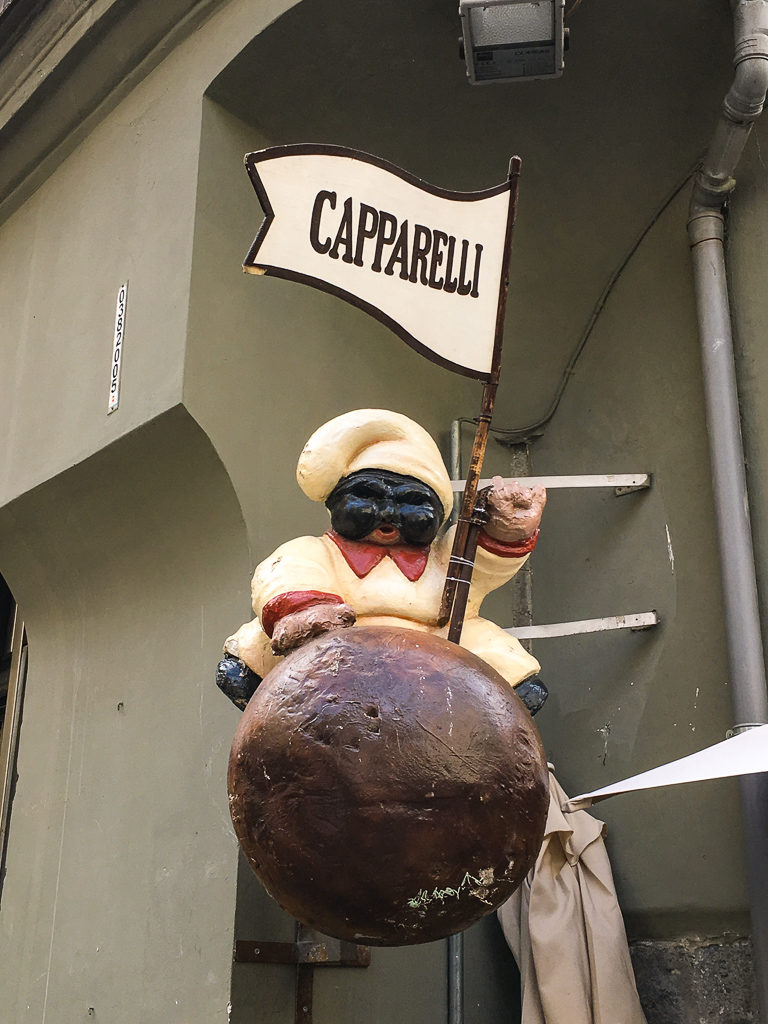
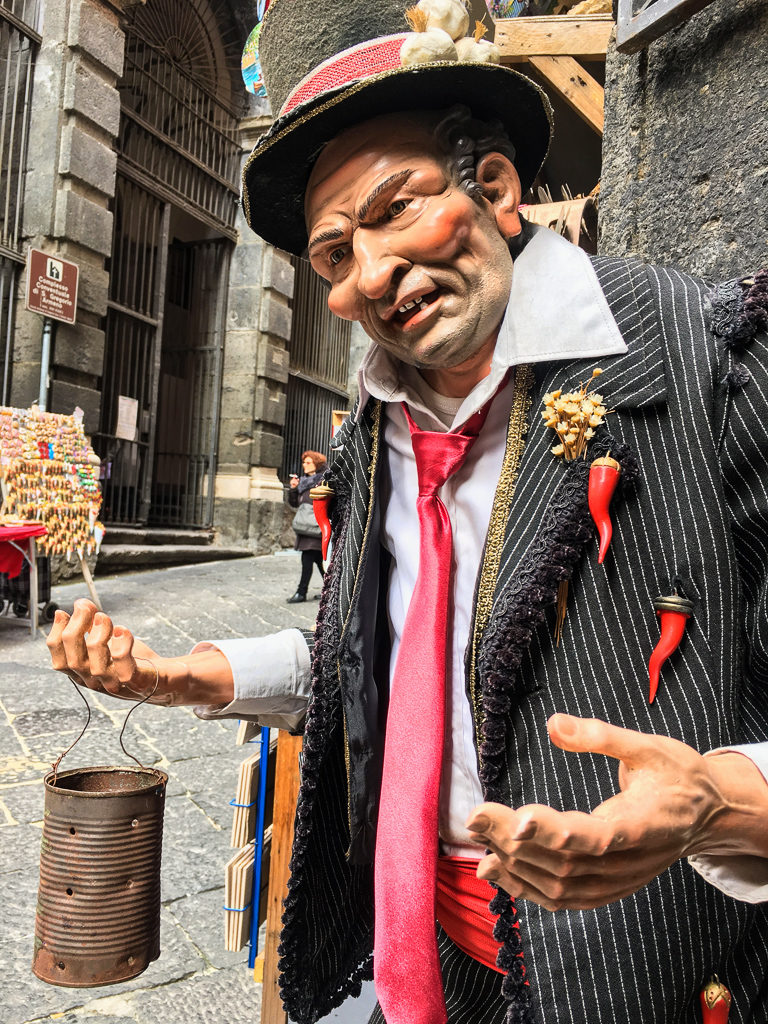
Perhaps the key to understanding Naples is understanding Pulcinella.
Pulcinella, the iconic figure from the Neapolitan tradition of commedia dell’arte, is described as the voice of the people. He embodies contradiction. On one hand, he is lazy, unreliable, opportunistic, and selfish. On the other hand, he is clever, witty, spontaneous, and rebellious. He survives through humour and intelligence. He bends the rules. He resists authority. He makes do.
He is unpredictable and difficult to categorise. And yet, he is indispensable. That is Naples. It is messy and magnificent. Exasperating and enchanting. You cannot smooth it into something simple, and you should not try.
The Museum: A Day at the National Archaeological Museum
When planning our stay, I debated how long to remain in the city. Naples is the perfect base for day trips to Sorrento, Pompeii, and Herculaneum. But I knew I wanted to dedicate one full day to the National Archaeological Museum of Naples.
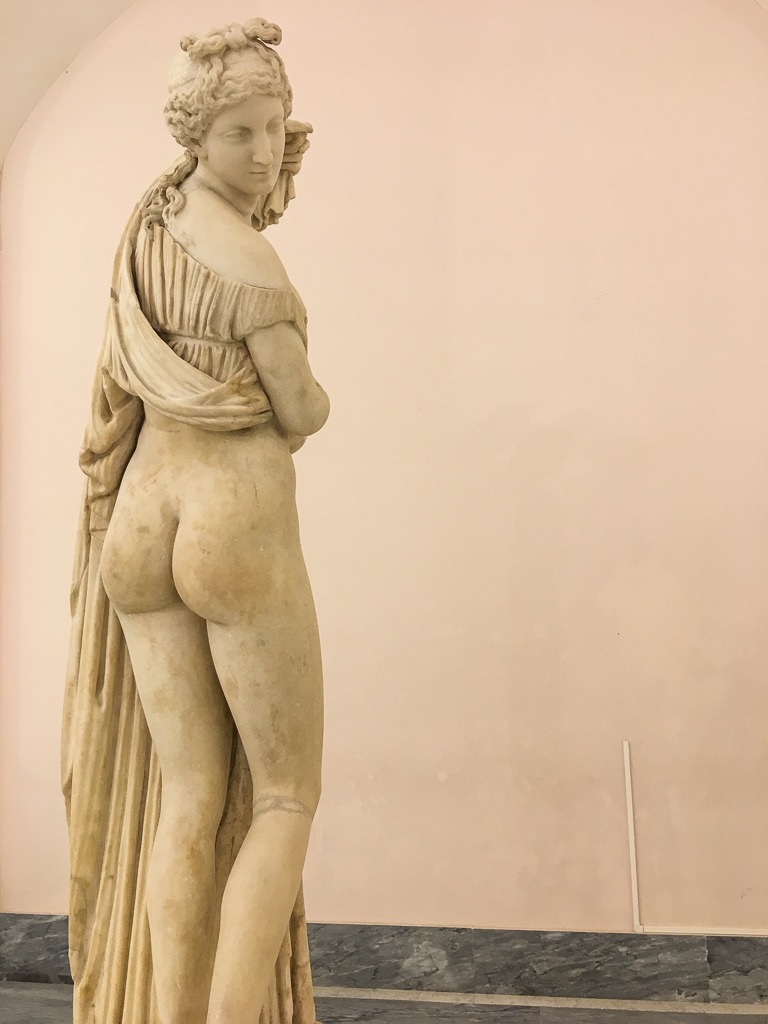
If you have any hope of truly appreciating the archaeological sites of Campania, this museum is essential. It houses an extraordinary collection of Roman artefacts recovered from Pompeii, Stabiae, and Herculaneum. Walking through its halls feels like stepping into the preserved memory of an entire civilisation.
Room after room is filled with statues and sculptures. Marble bodies stand in frozen motion, impossibly elegant. At first, you are awed. Then, strangely, you begin to acclimatise. What a peculiar thing it is to grow used to such beauty.
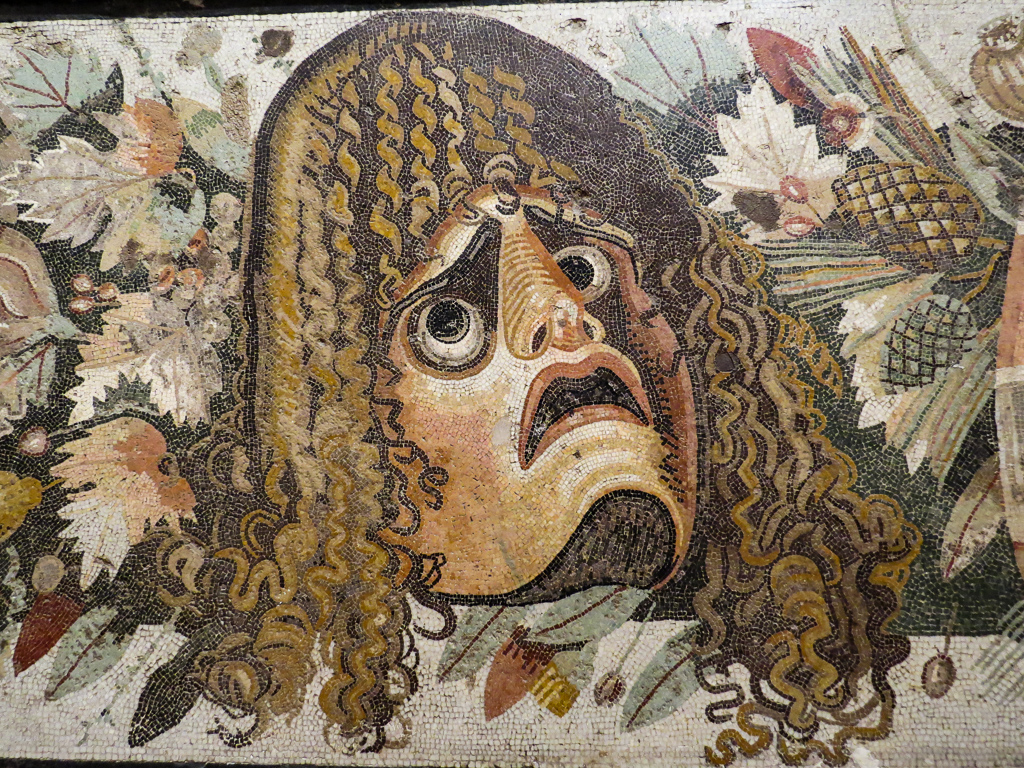
The mosaics are equally astonishing. Ancient Greek and Roman villas were decorated with intricate scenes composed of tiny stones. Many of the museum’s mosaics once adorned the floors and walls of Pompeii’s grandest homes, including the House of the Faun. Standing before them, you realise that antiquity was not monochrome marble. It was colour, narrative, and life.
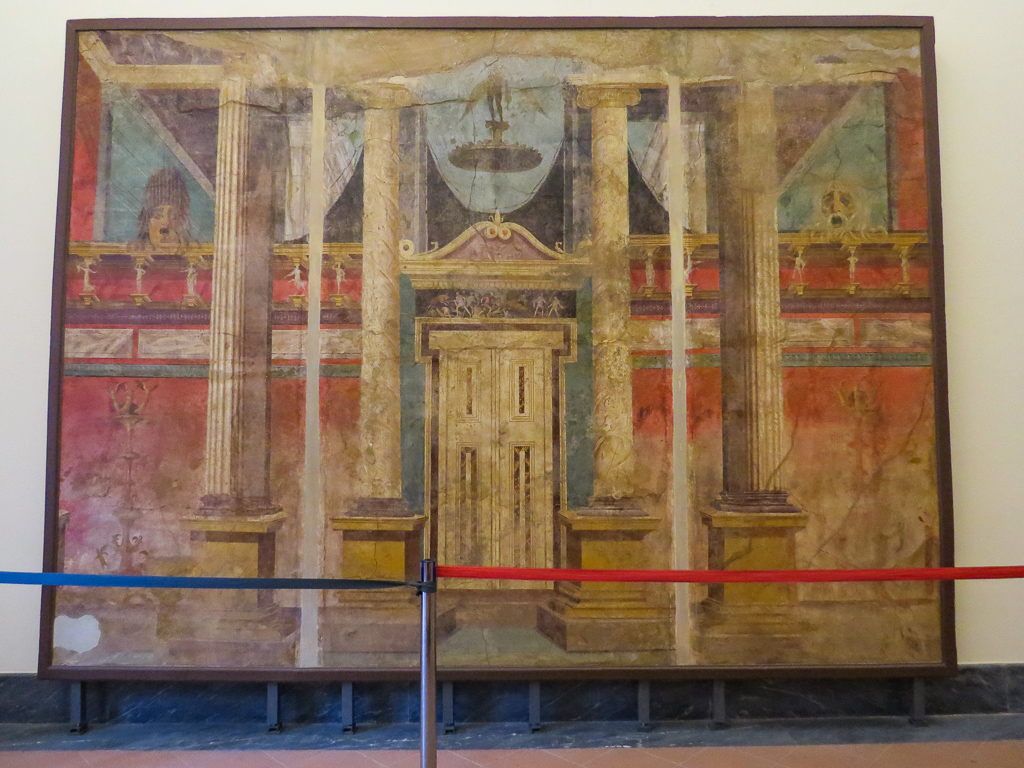
And then there are the frescoes. Entire walls of Pompeii’s vibrancy now live here. The reds, the blues, the mythological scenes, the domestic details. It is impossible not to imagine the sudden stillness that preserved them.
The Pizza: UNESCO-Worthy Simplicity
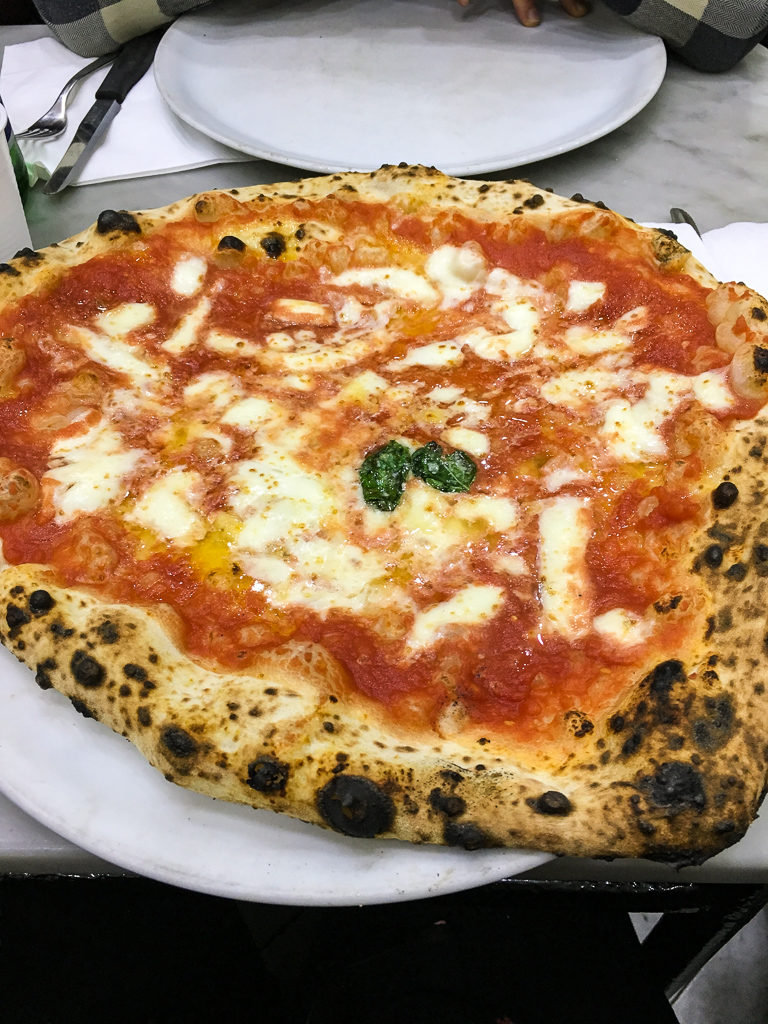
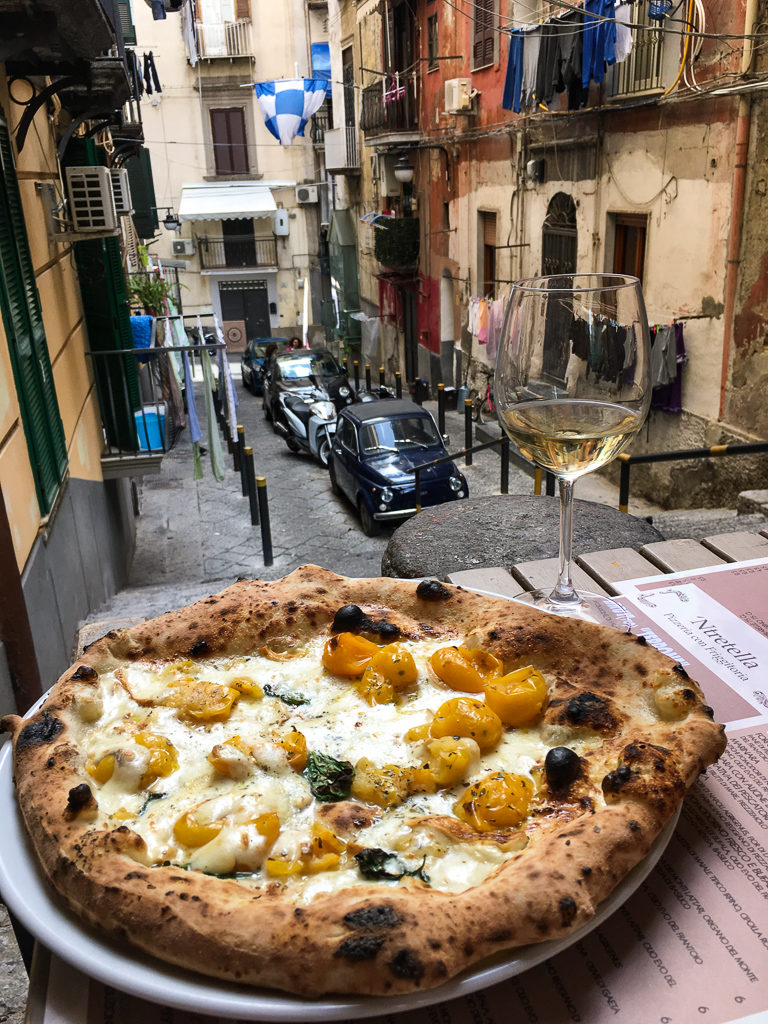
Let us leave antiquity for something equally sacred: pizza. Though debates about pizza’s origins continue, Naples is undeniably at the heart of its history. In 1889, the Margherita pizza was created here, famously honouring Queen Margherita with the colours of the Italian flag. In 2017, UNESCO recognised the art of the Neapolitan pizzaiuolo as intangible cultural heritage. Pizza-making here is not simply food preparation. It is theatre, tradition, technique, and pride.
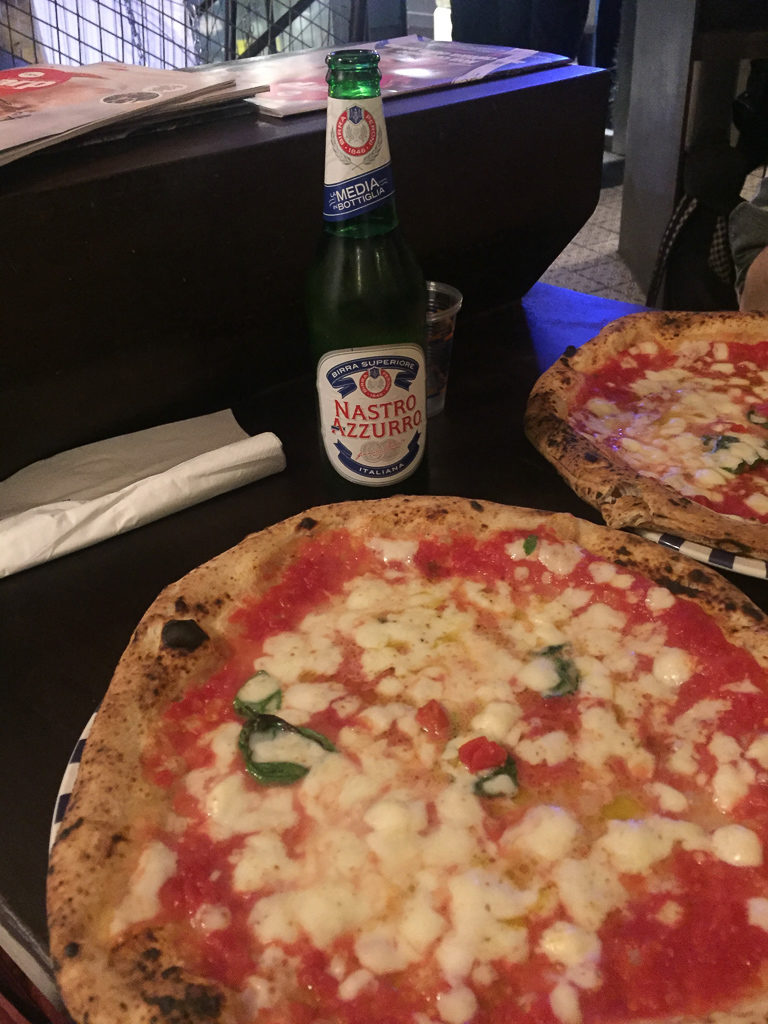
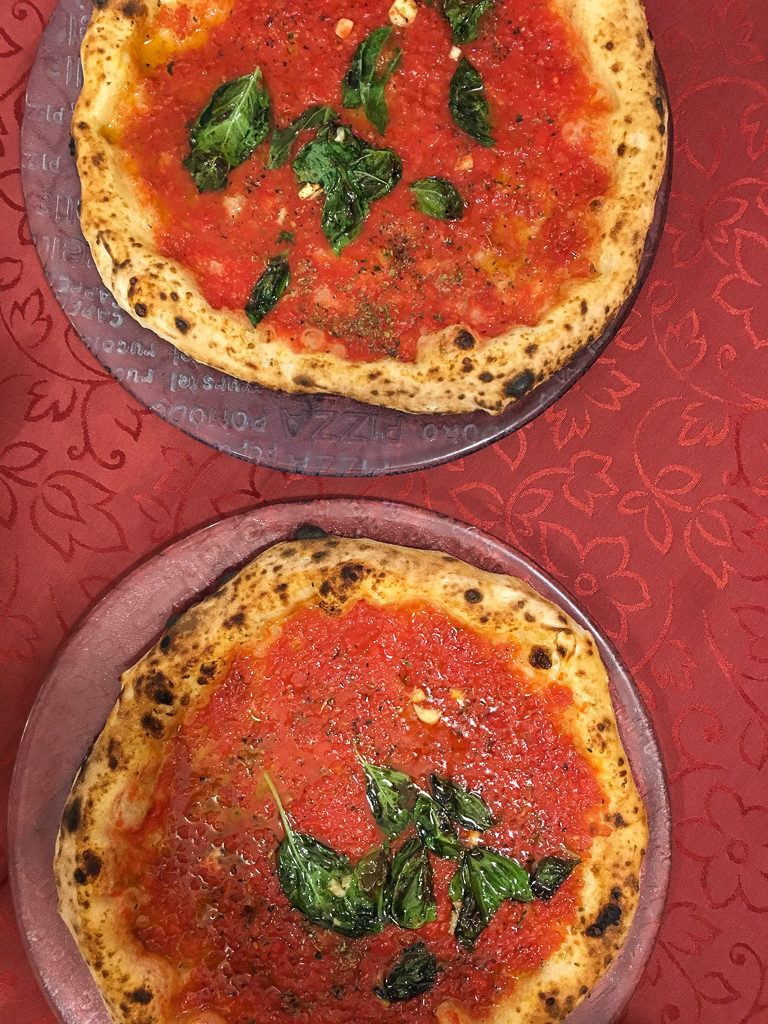
True Neapolitan pizza is disarmingly simple. Often just margherita or marinara. Soft, elastic dough. Bright tomato. Creamy mozzarella. Basil. A blistered, slightly charred crust from a wood-fired oven.
My hands-down favourite was L’Antica Pizzeria da Michele. It does not attempt innovation. It perfects tradition. For other excellent options, try Starita. As for Gino Sorbillo, I found it more hype than revelation.
In Naples, pizza is not a trend. It is identity.
The Trattorias: Grandmother’s Kitchen
Beyond pizza, you must visit a trattoria.
These are not sleek, minimalist dining rooms. They are loud, familial, occasionally chaotic spaces where menus are handwritten, and portions are generous. A trattoria feels like being adopted, temporarily, by an Italian grandmother.
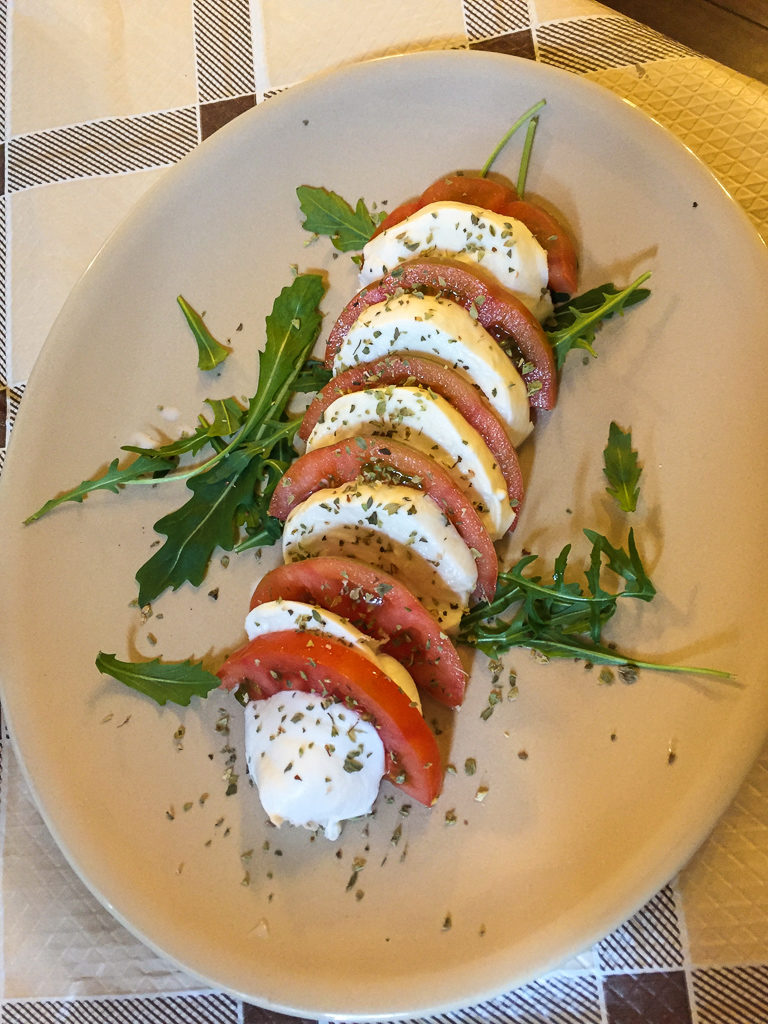
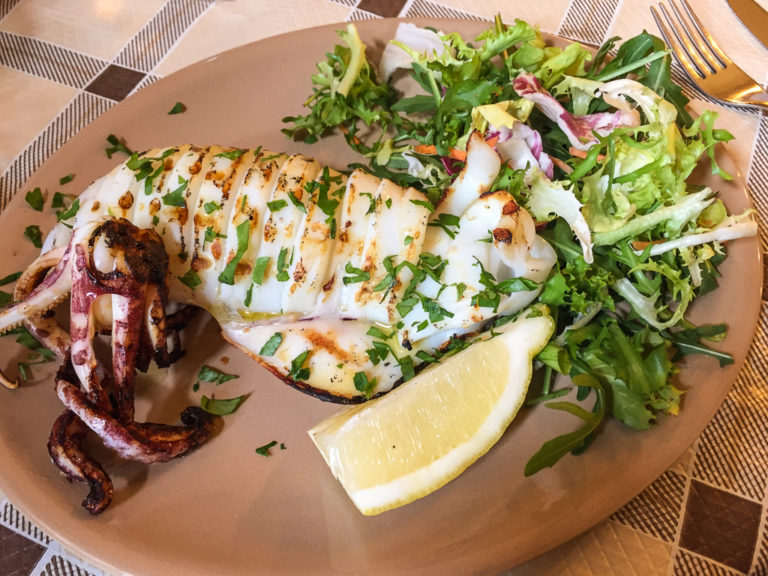
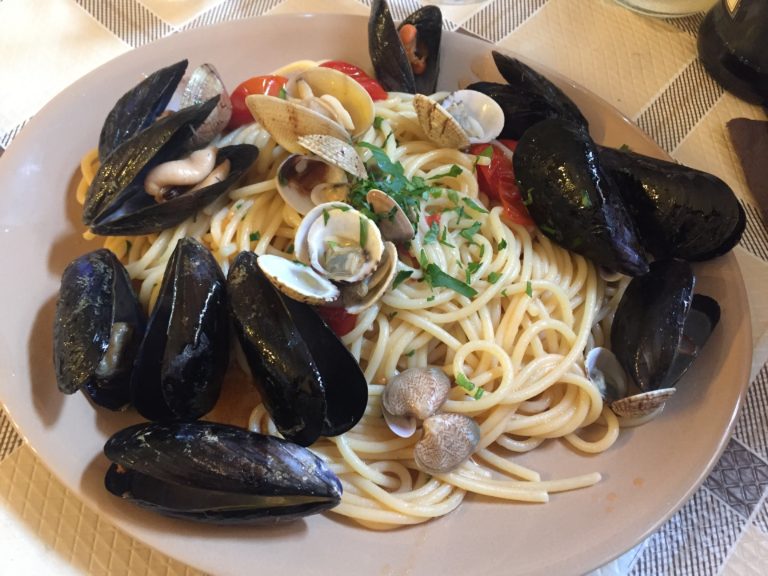
At Trattoria Da Nennella, a full meal of first course, second course, and side dish costs around fifteen euros. We ate pasta and potatoes with melted cheese, roasted chicory, eggplant, salads, and fried anchovies. Everything was hearty and unpretentious.
The beauty of Naples’ food is that it does not try to impress you. It simply feeds you well.
The Harbour: Sunlight and Perspective
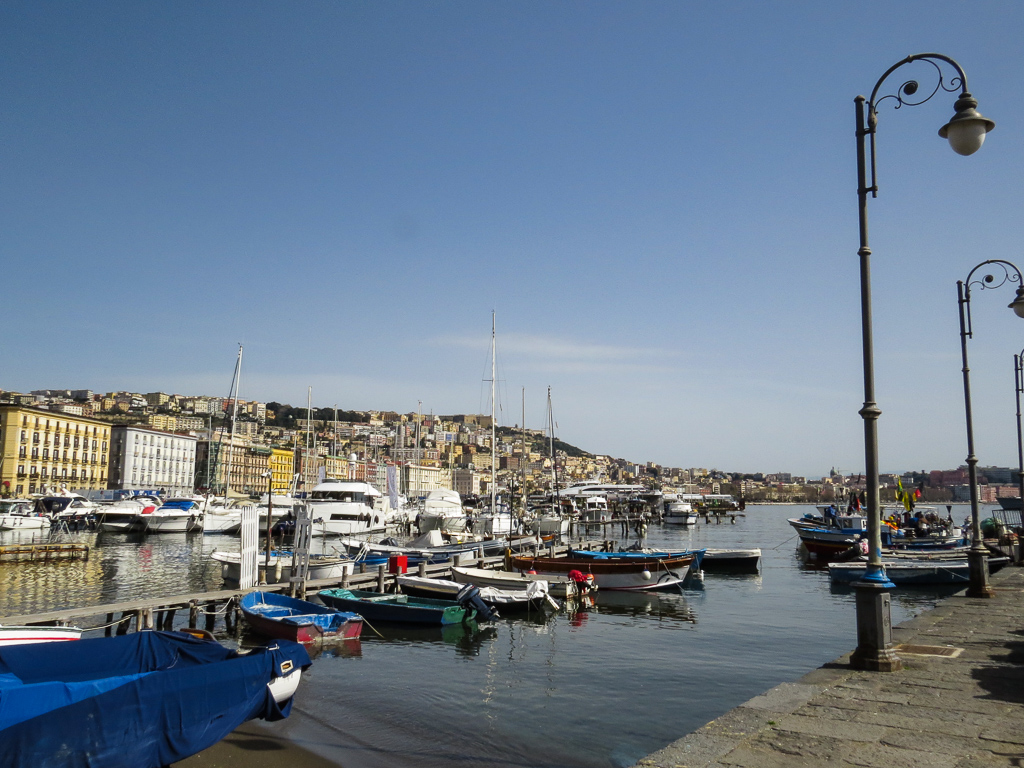
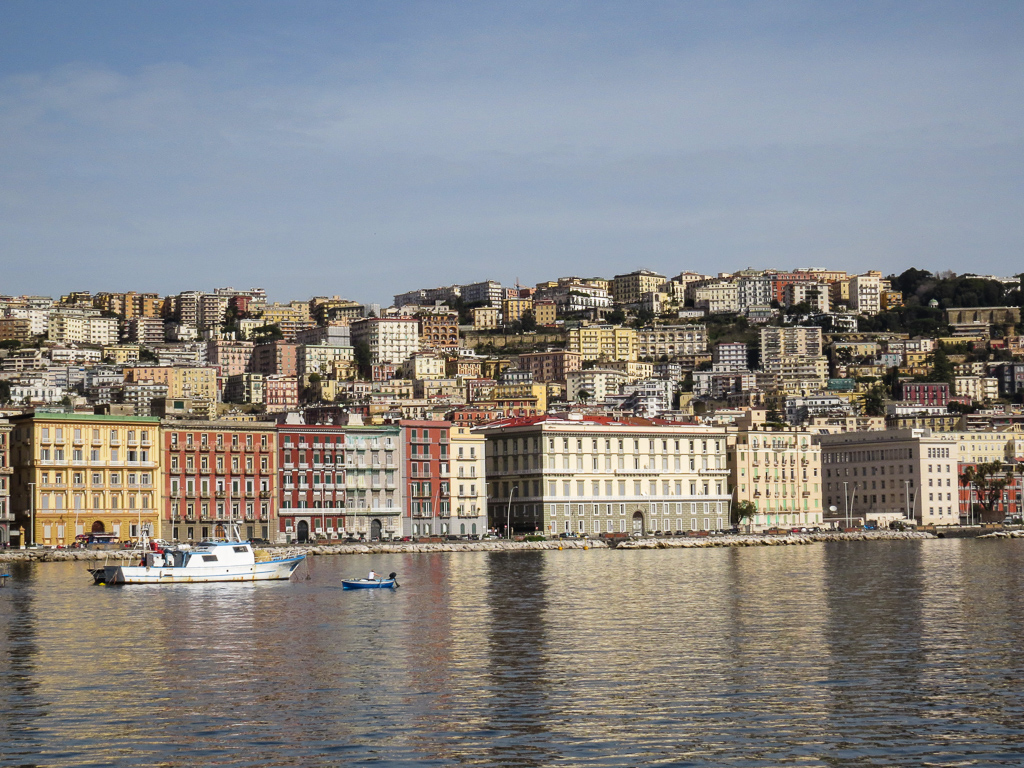
On our final day, the weather shifted. After days of heavy coats and boots across Italy, the Neapolitan sun finally emerged. We walked along the harbour in t-shirts. I ate a Magnum ice cream by the sea, staring at Vesuvius rising quietly in the distance.
The sea brings a strange kind of nostalgia. It makes you pause. It reminds you that you are somewhere specific and fleeting.
I’m in Italy. In Naples.
And what a city it is. Not just the postcard version. All of it. The loudness. The imperfection. The beauty. The contradiction. The magic.
Naples does not ask to be liked. It asks to be experienced.












No Comments