
I didn’t fall in love with Copenhagen the first time I visited.
As far as Europe goes, I have always leaned south. Portugal and Spain feel instinctive to me, with their tiled façades, dramatic churches, and long lunches that stretch into the evening. Copenhagen, by contrast, felt restrained. Clean lines, muted palettes, and an almost studied sense of order defined my first impression. It was beautiful, yes, but it did not immediately capture me.
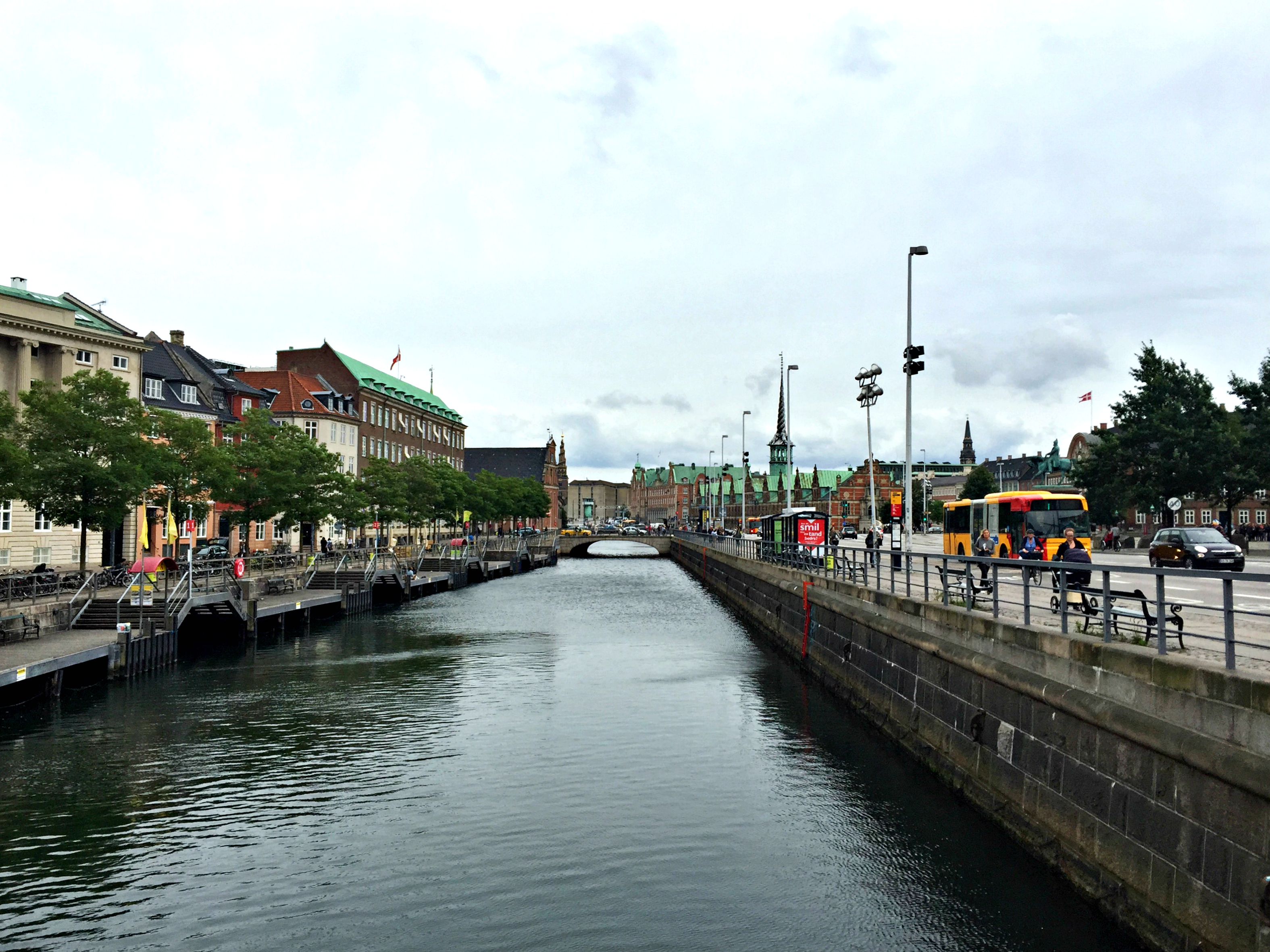
And yet, so many threads in my life have quietly pulled me north. I lived in Finland for four years. I now live in London. Close friends call Copenhagen home. Even as a child, I remember visiting towns in Sweden and Estonia. The North has reappeared again and again in my life, steady and insistent.
When I returned to Copenhagen in January with two friends from university, I wondered whether the city and I might understand each other better the second time around. Winter, as it turns out, was the key.
Moving Through the Dark
We arrived with very little sleep and immediately plunged into a small amount of chaos. Borrowed bikes needed collecting. Messages could not be sent without WiFi. We zigzagged across neighbourhoods trying to connect with friends while the afternoon light quickly faded. It was cold and already growing dark, and the city felt slightly out of reach. Once we had our bikes, everything shifted.
Copenhagen is a city best understood on two wheels. We cycled down from Nørrebro toward the city centre, passing the Søerne, the three lakes that cut clean rectangles through the urban landscape. The sun was setting, and the water reflected the last of the pale winter light. Cyclists moved past us with quiet confidence, bundled in scarves, their bike lights blinking steadily in the dusk.
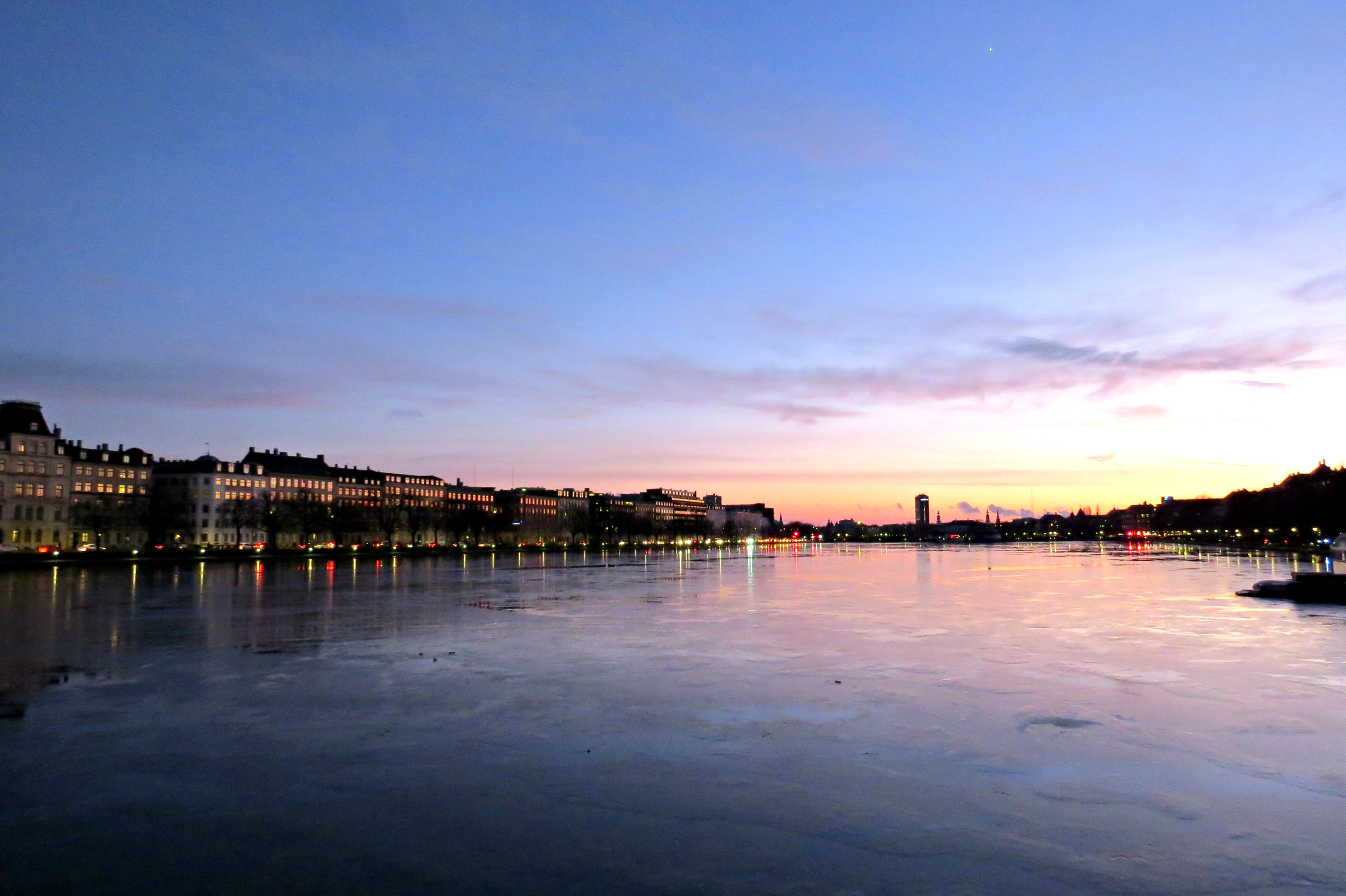

The first night felt disorienting. We did not know the bike lanes well, and we were unsure where we were going. Each evening seemed to involve long rides in near-darkness. Slowly, however, that darkness became something else. It felt enveloping rather than intimidating, and I began to understand that Copenhagen at night does not glitter loudly but instead glows in a softer, steadier way.
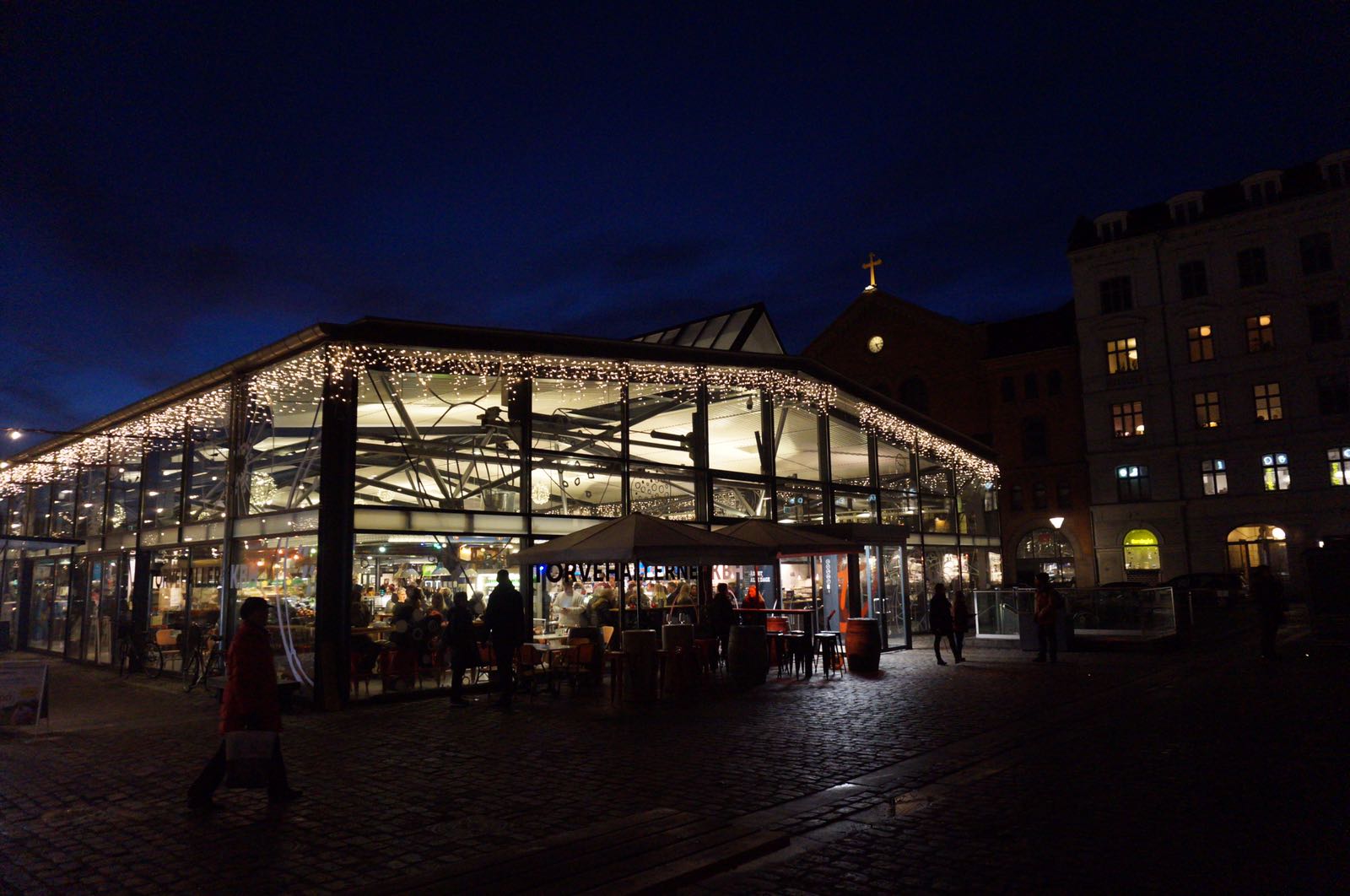
We wandered through Torvehallerne, warm and fragrant with spices, baked goods, and fresh produce. We drifted along Strøget, one of Europe’s longest pedestrian streets, more interested in observing than shopping.
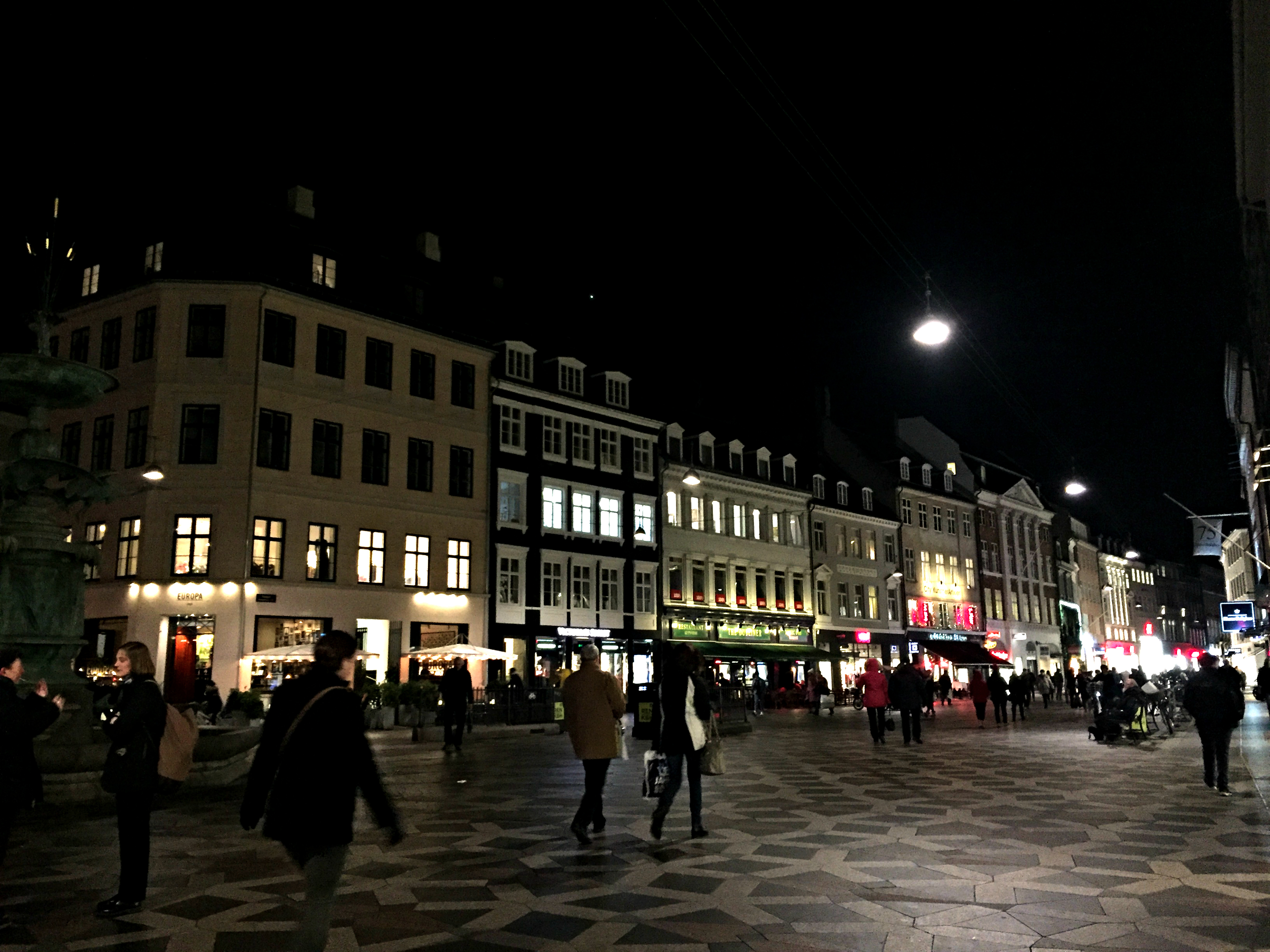
One morning, absurdly early, we woke before sunrise and pedalled toward Nyhavn. The harbour was nearly empty when we arrived. Rows of 17th- and 18th-century houses stood in soft silence, their colours muted by dawn. The sky shifted gradually from deep blue to pale gold behind them. We were exhausted, but watching the light return to the city felt intimate and quietly rewarding.
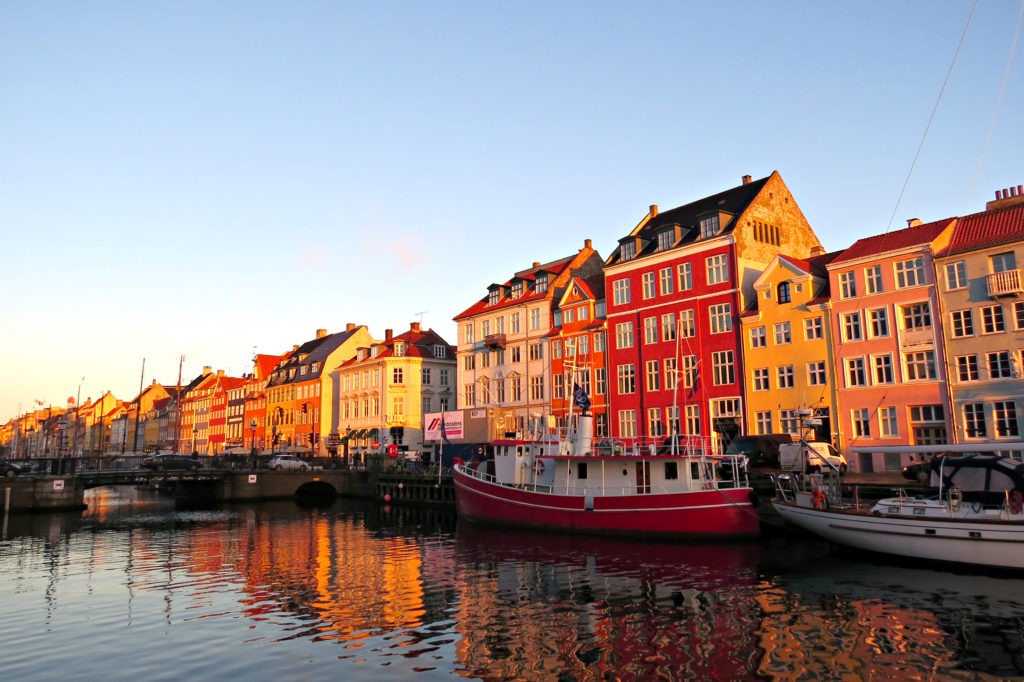
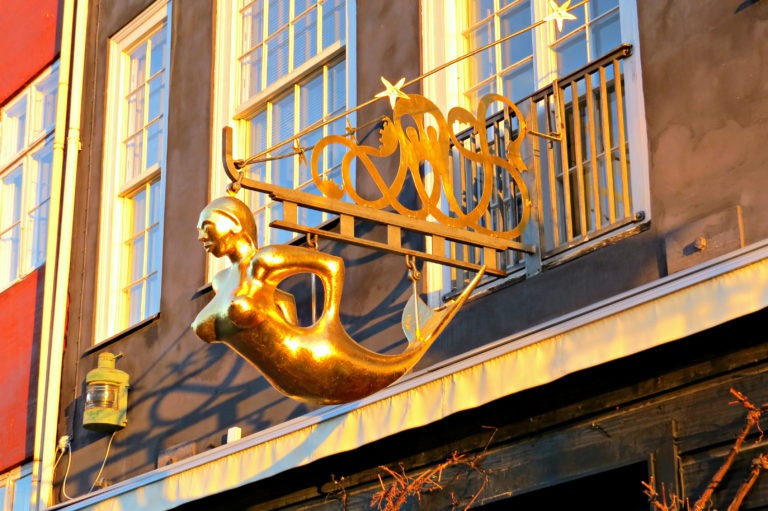
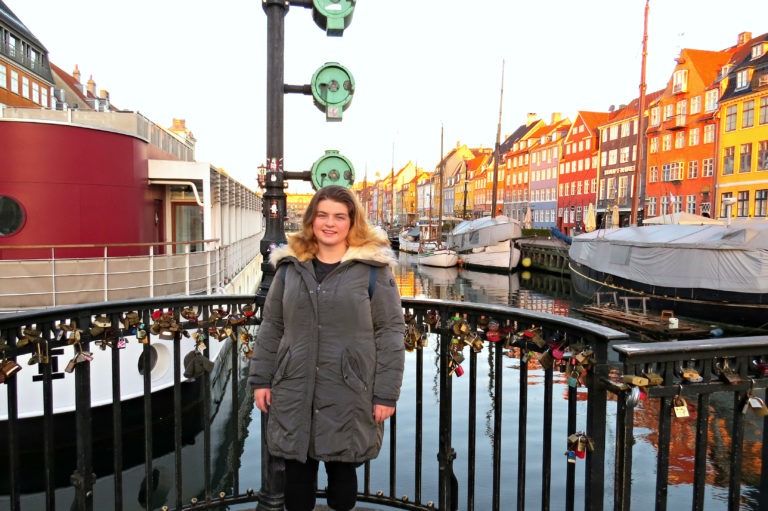
Copenhagen began to reveal itself not through spectacle, but through accumulation. A reflection on water. A quiet street at dusk. The rhythm of pedals against pavement.
Architecture of Restraint
If southern Europe is theatrical in its ornamentation and drama, Copenhagen feels composed and deliberate. The Round Tower, originally built as an astronomical observatory under Christian IV, spirals upward in a wide, continuous ramp. There are no dramatic staircases or elaborate flourishes, just white walls and a steady ascent. At the top, the view stretches across a city that feels cohesive and measured.


Churches, too, reflect this sense of restraint. Vor Frue Kirke, Copenhagen Cathedral, is neoclassical and serene. Inside, white Carrara marble sculptures by Bertel Thorvaldsen line the space with quiet solemnity. The Risen Christ stands illuminated above the altar, surrounded not by gilded excess but by light and air. The space feels intentional and balanced.


We visited the Marble Church, Frederiks Kirke, on a day so foggy that its dome nearly disappeared into the sky. What might have felt imposing instead felt atmospheric, softened by mist.
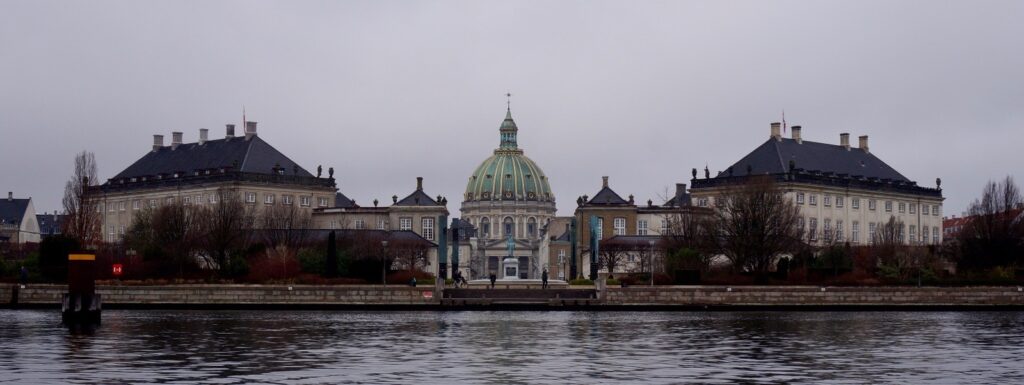
Photo courtesy of my friend, Tiffany


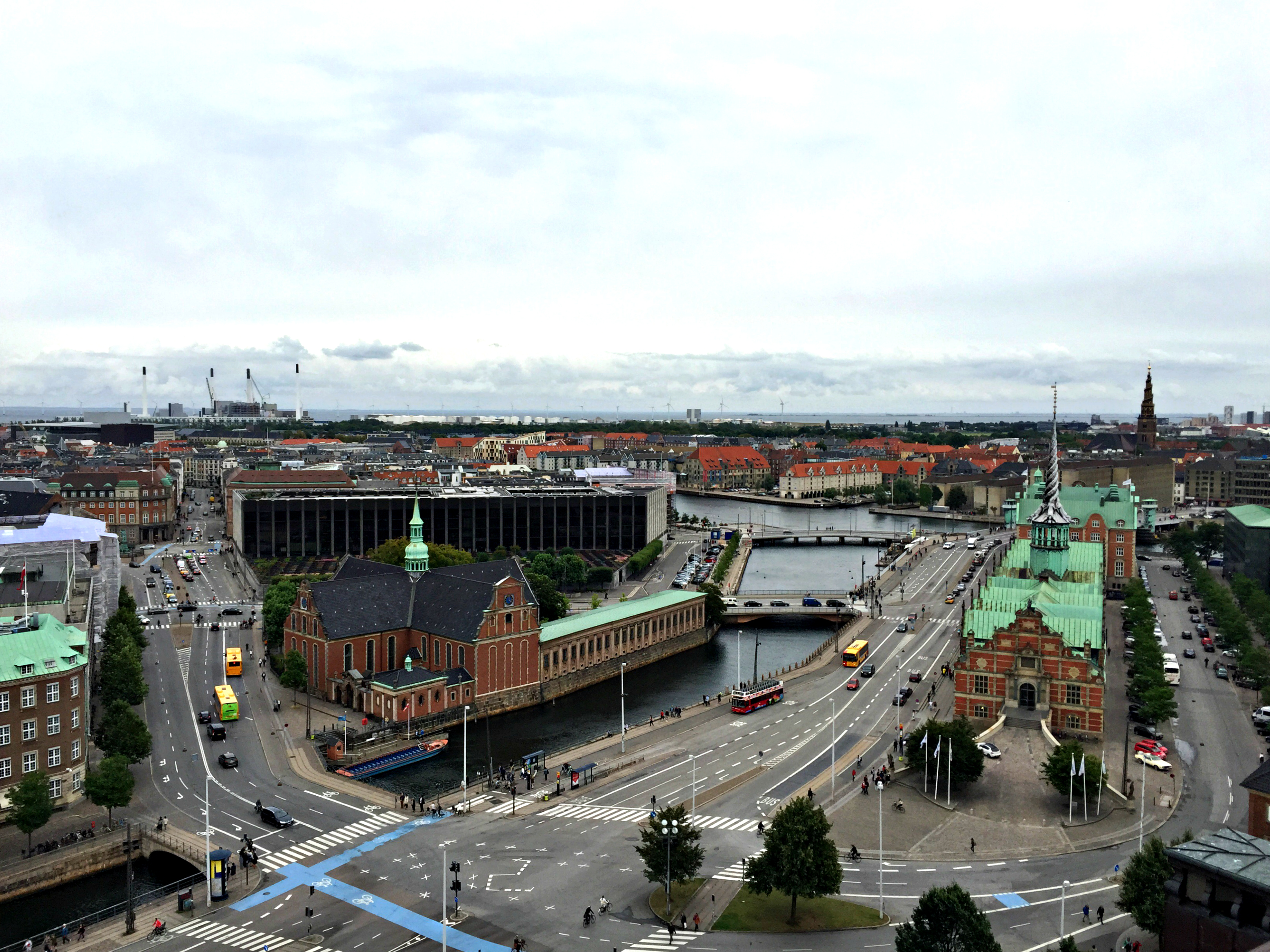
Even the royal palaces carry this quiet confidence. Amalienborg’s four identical façades form a restrained octagon around an open square. Rosenborg, though Renaissance in origin, feels intimate rather than overwhelming. Christiansborg’s tower offers expansive views of the city, revealing not grandeur but proportion.


Copenhagen does not compete with Versailles, nor does it attempt to mirror southern extravagance. Its beauty lies in clarity and cohesion. Modern architecture carries this philosophy forward. The Black Diamond rises in sharp, reflective planes along the water, while the Royal Danish Opera House sits across the harbour with sculptural precision. The city feels designed not to impress, but to function beautifully and thoughtfully.
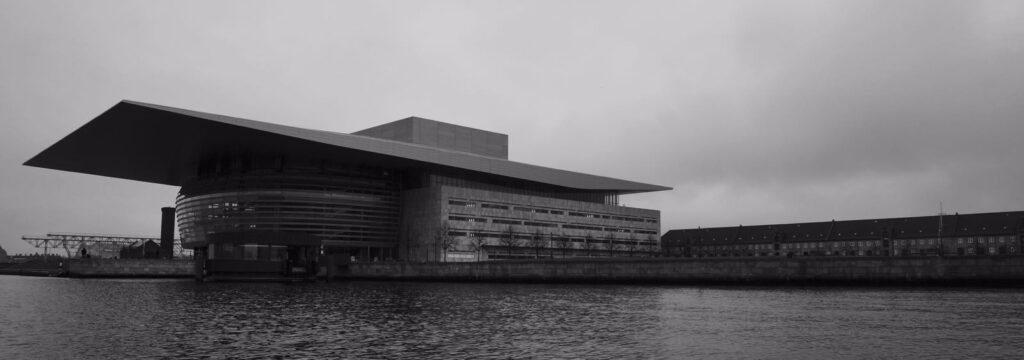
Photo courtesy of my friend, Tiffany
As someone instinctively drawn to Mediterranean ornamentation, I began to see this aesthetic not as lacking but as deeply intentional. Clean lines and subtle textures become a language of their own. Restraint becomes identity.
Eating in a Nordic City
Over the past few years, I have become someone who plans days around meals. Not extravagance, but care and quality matter to me. Copenhagen proved to be a city where food is approached with both respect for tradition and openness to innovation.
One of the most meaningful meals of the trip took place at a friend’s home. Mette prepared smørrebrød for us, open-faced rye bread topped with combinations both traditional and modern. The meal was simple and deeply satisfying, shared around a table filled with conversation. It felt like an introduction not just to Danish cuisine, but to Danish hospitality.

The city’s culinary scene extends far beyond tradition. In the Meatpacking District, we visited Mother, a lively pizza restaurant known for its carefully developed dough and Italian imports. The atmosphere felt industrial yet warm, filled with conversation and clinking glasses. Brunch has also become part of the city’s rhythm. At Café Pixie near Bopa Square, we lingered over plates of scrambled eggs, rye bread, Danish cheese, and small details that made the meal feel thoughtful rather than excessive.


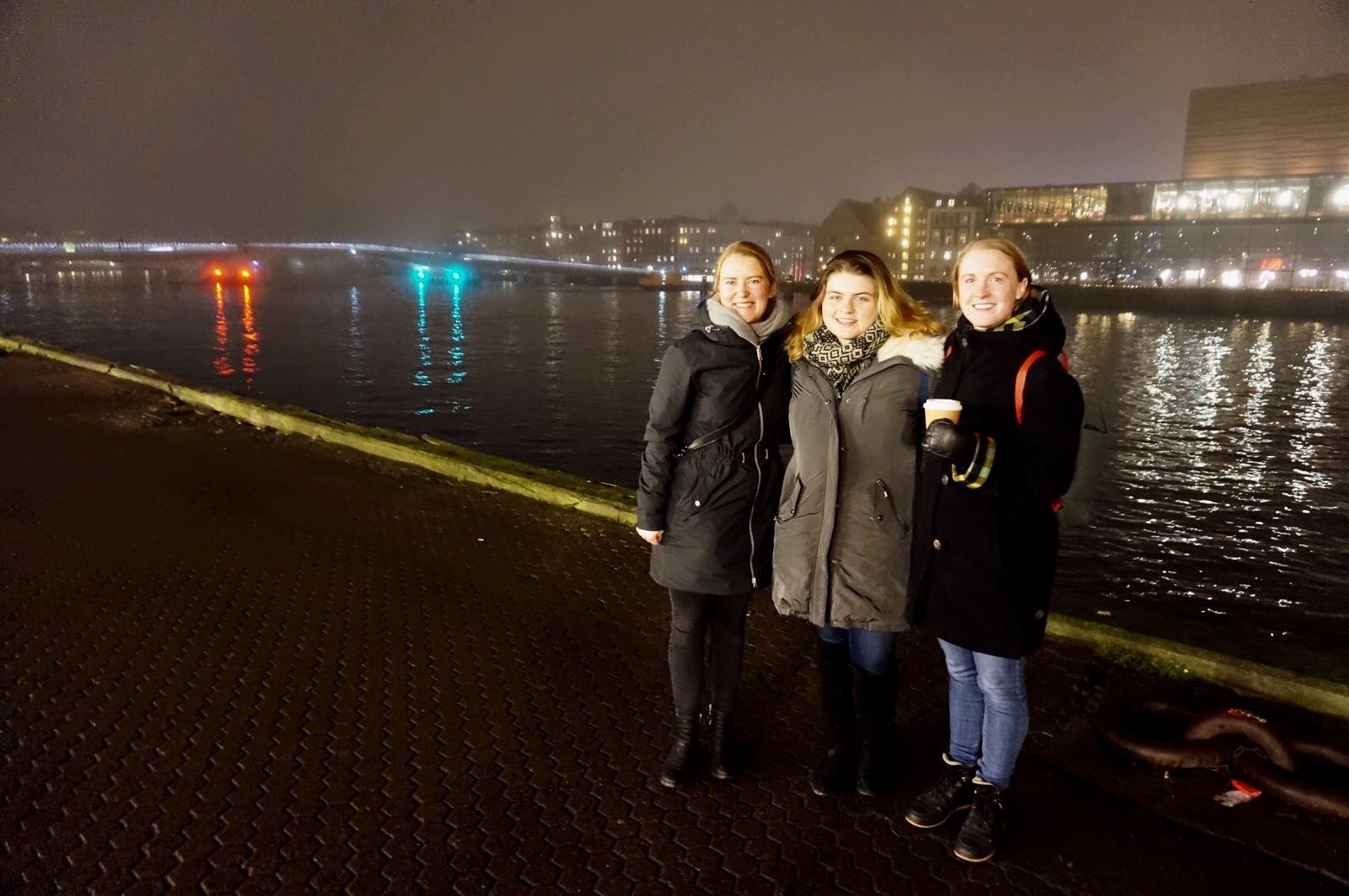
On one of our final evenings, we found ourselves at Papirøen, once a bustling street food hub along the harbour. We ate, drank, and talked as lights flickered across the water. The cold air and low winter sky seemed to amplify the warmth inside. Throughout the trip, I was struck by how easily traditional Danish roots and global culinary influence coexist here, without tension or competition.
Renaissance Stone and Modern Light
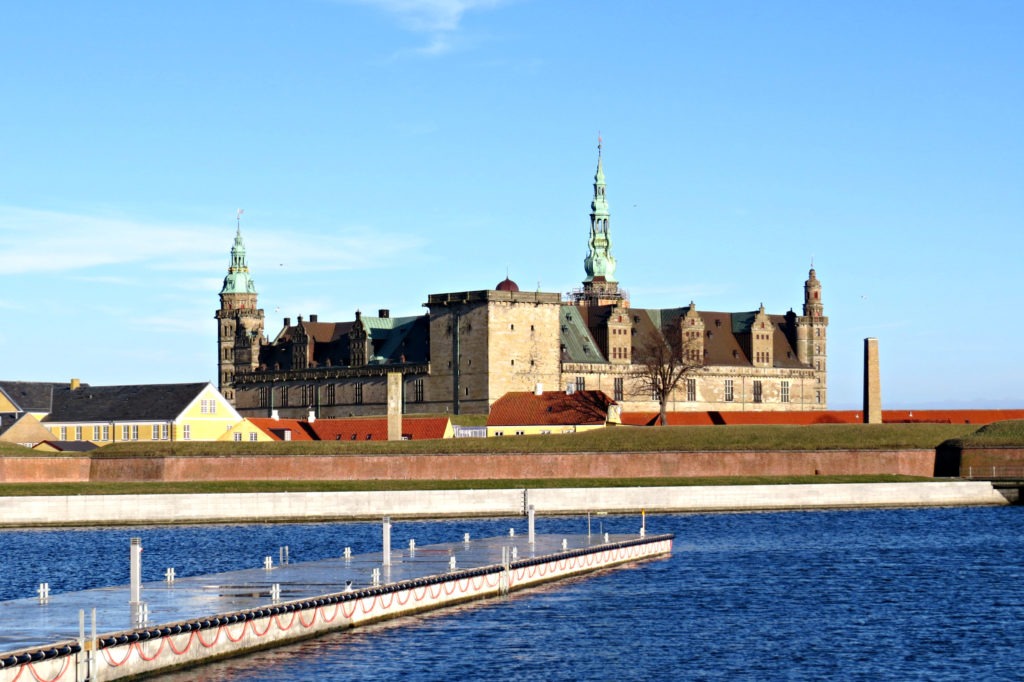
One day, we left the city behind and took the train north to Helsingør to visit Kronborg Castle. The fortress rises at the edge of the Øresund Strait, the narrow stretch of water separating Denmark from Sweden. From the ramparts, Sweden is clearly visible across the water, a reminder of centuries of trade, rivalry, and shifting power.

Originally built in the 16th century, Kronborg is best known as the inspiration for Elsinore in Shakespeare’s Hamlet. Though Shakespeare never visited, stories of the castle travelled through actors who had performed there. A devastating fire in 1629 destroyed much of its original splendour, and what remains feels imposing rather than ornate. Thick stone walls and vaulted chambers speak more of endurance than luxury.
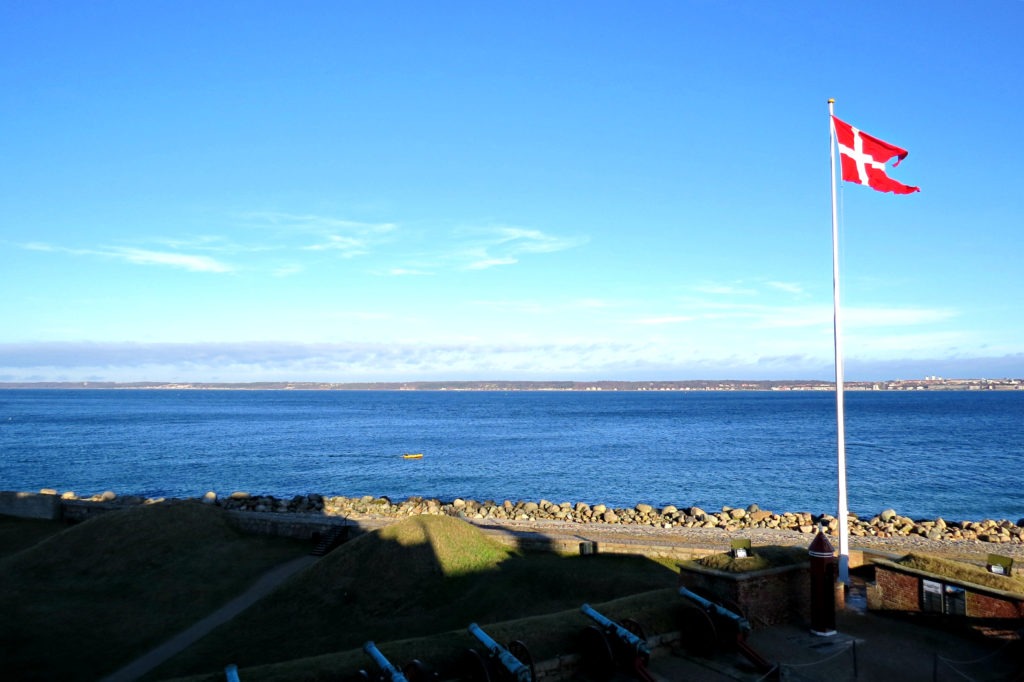
Later that day, we travelled south to the Louisiana Museum of Modern Art in Humlebæk. The museum sits low along the coastline, blending architecture, art, and landscape seamlessly. It feels both expansive and intimate, with galleries that open toward the sea.
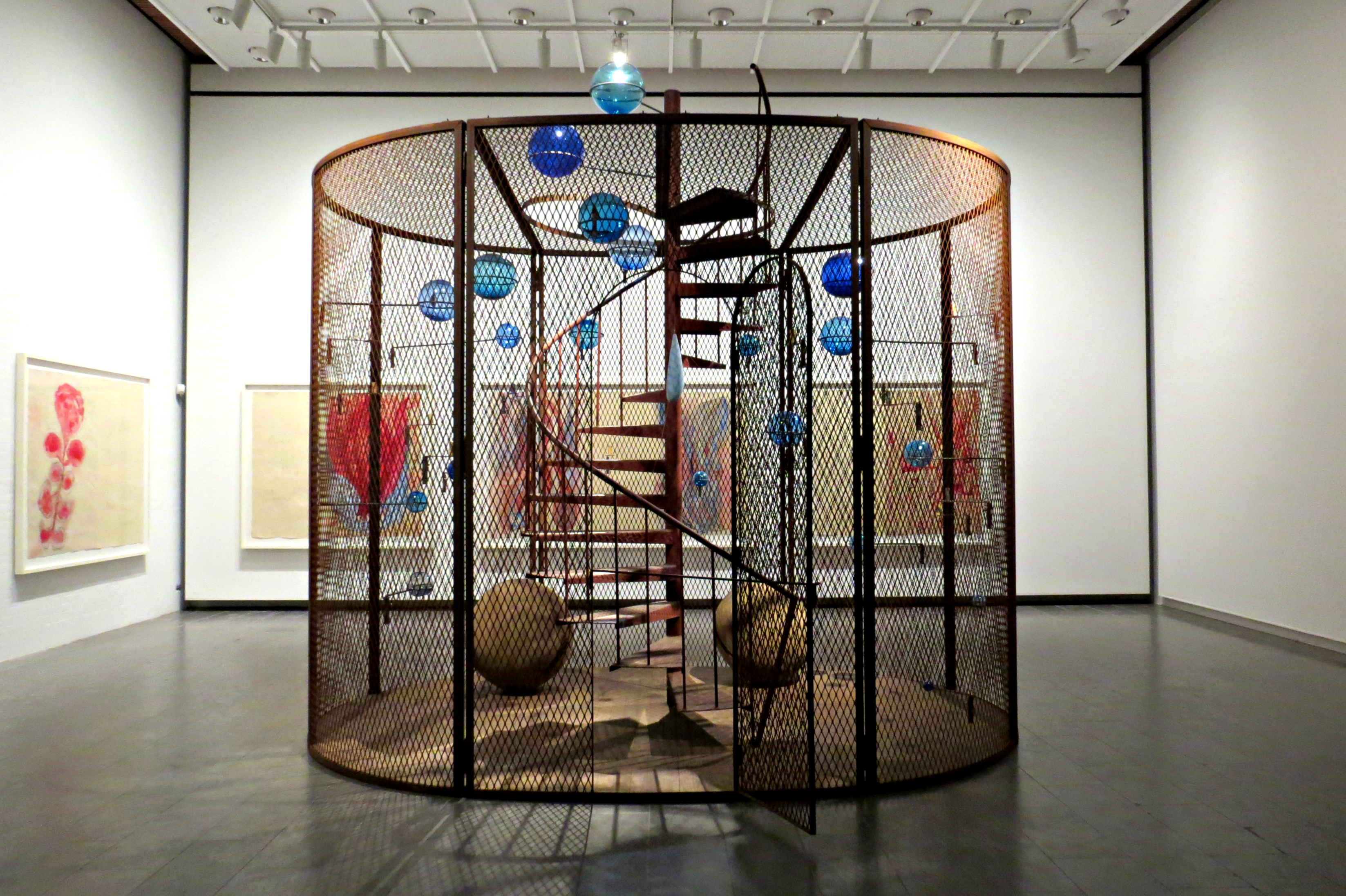
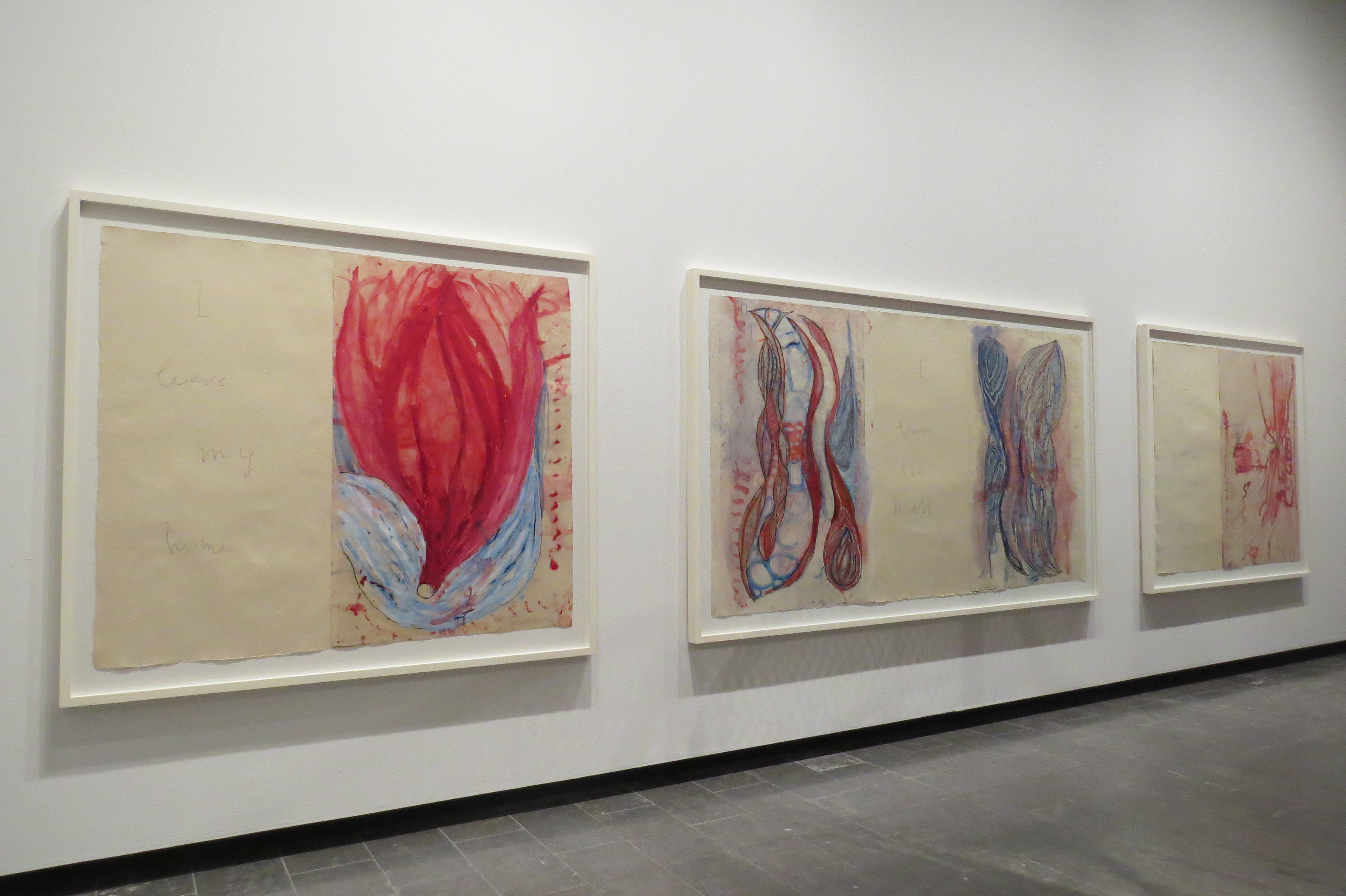
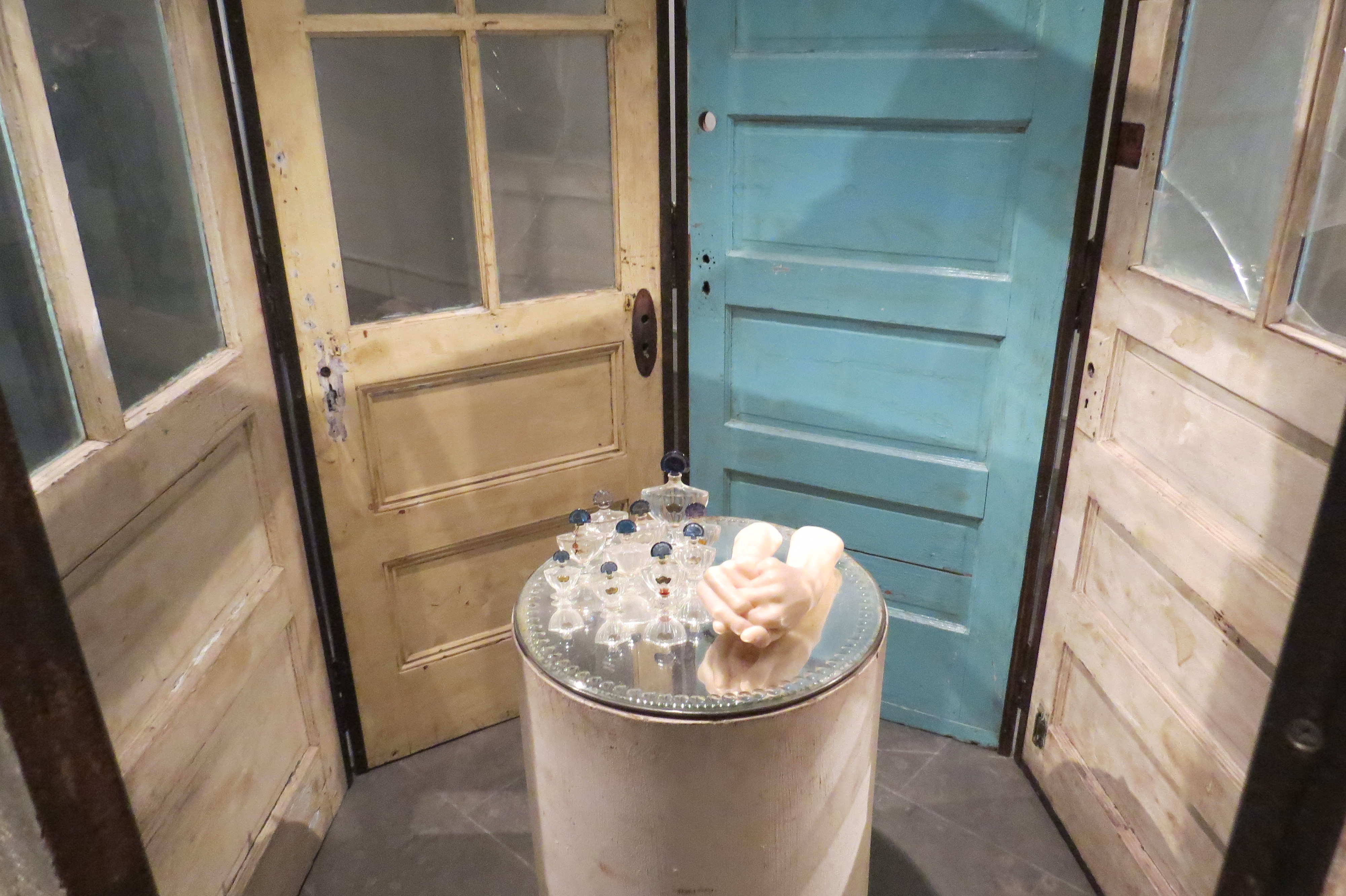
Inside, we experienced Louise Bourgeois’ “Structures of Existence: The Cells,” a series of enclosed spaces that feel psychologically charged yet contemplative. The word “cell” unfolds in layers, suggesting prison, monastic solitude, and biological structure all at once. Each space invites you inward, encouraging reflection rather than spectacle.
We also stepped into Yayoi Kusama’s “Gleaming Lights of the Souls.” Standing on a small platform surrounded by water, you are enveloped by suspended lights that change colour and reflect infinitely in mirrored walls. The boundaries of the room dissolve, and for a moment you feel suspended in space, acutely aware of both your smallness and your presence.
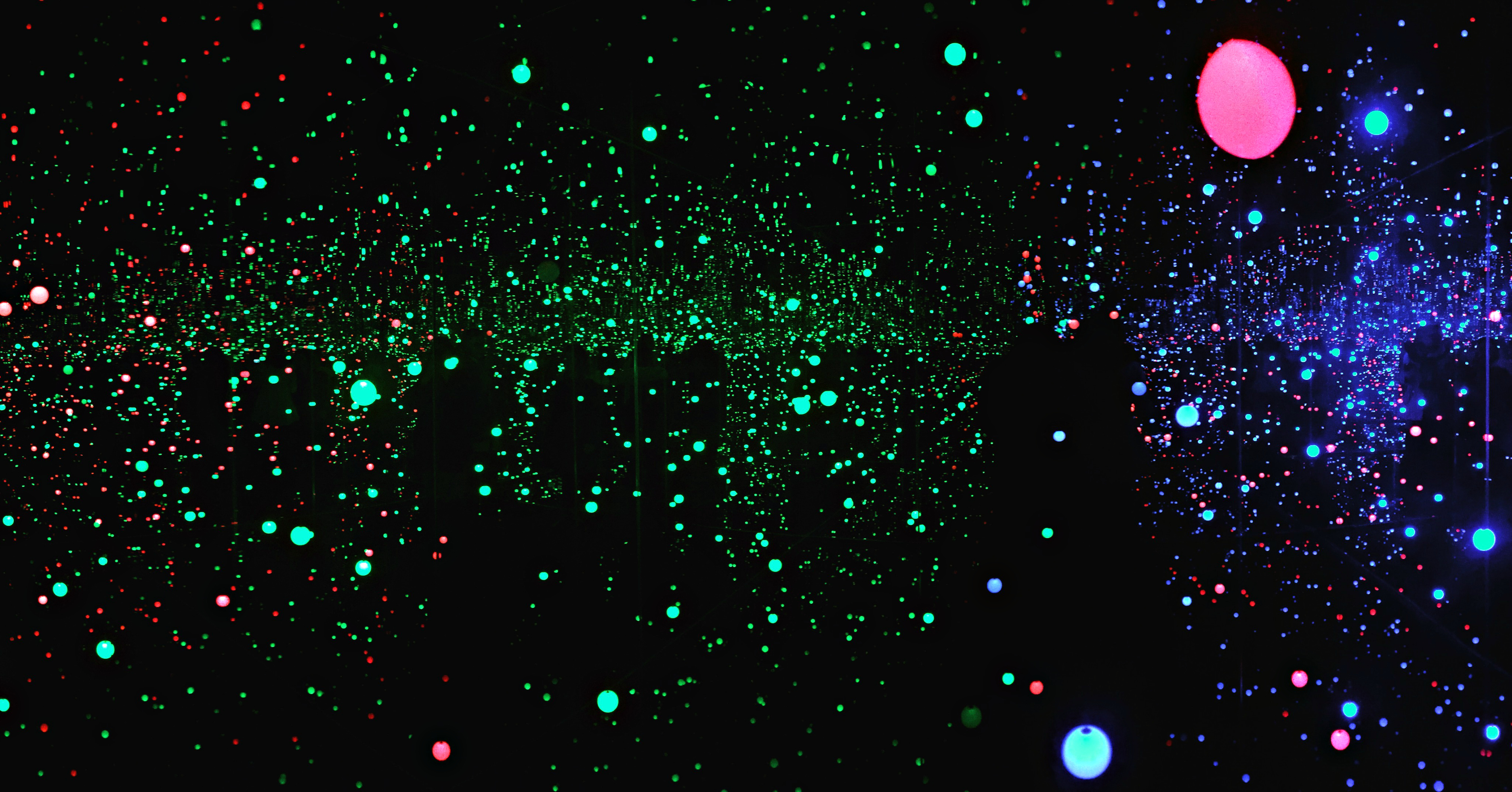
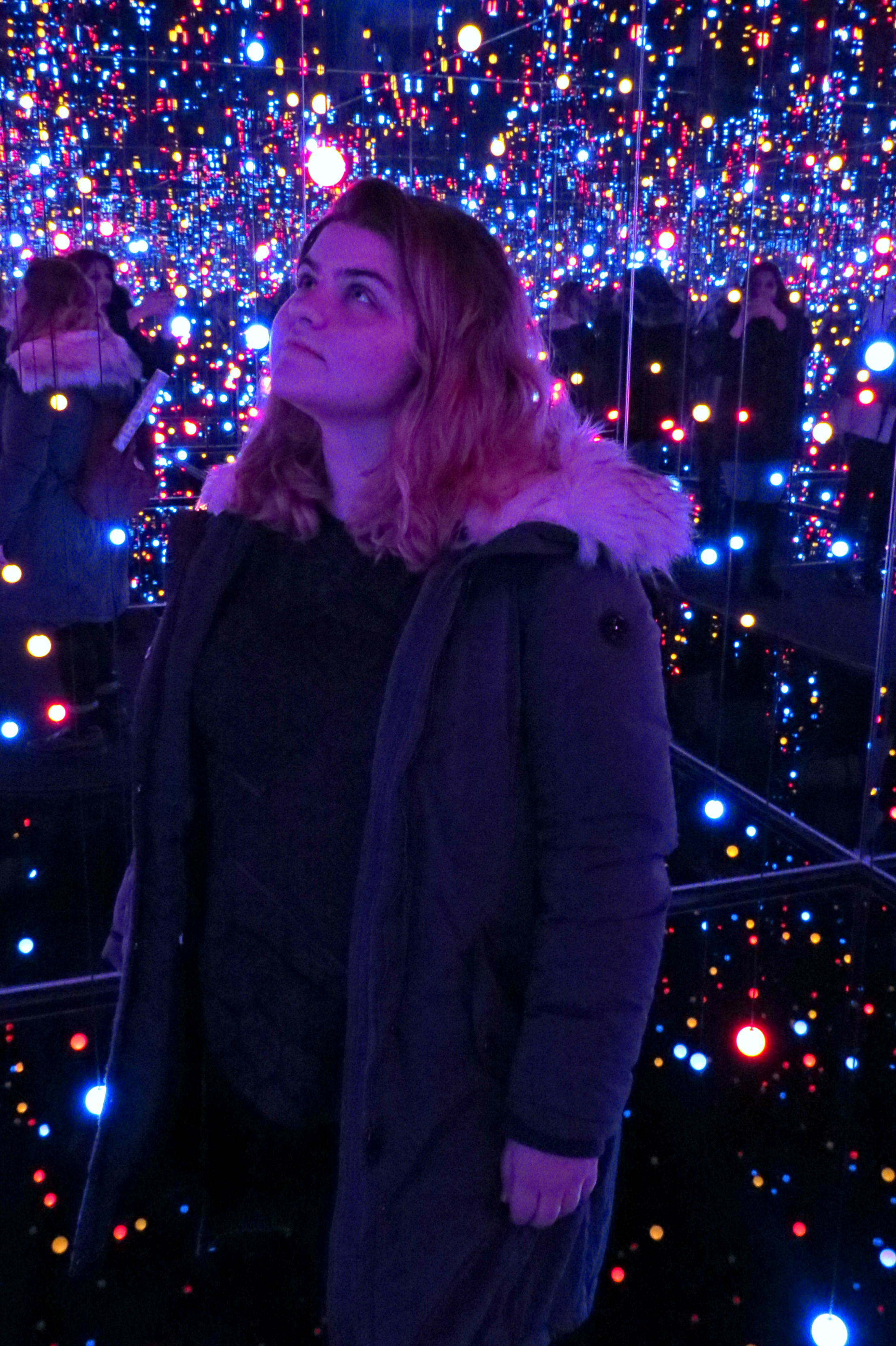
Experiencing that installation in the middle of winter felt symbolic. In a country defined by long nights, light is not taken for granted. It is designed, reflected, and multiplied. Denmark may not rely on dramatic landscapes or flamboyant spectacle, but it engineers atmosphere with care.
A Second Look
By the end of the trip, I realised something simple. Copenhagen had not changed; my perspective had. The first time I visited, I wanted an immediate impact. This time, I allowed the city to unfold at its own pace through fog-softened domes, quiet marble interiors, glowing art installations, and early-morning harbour light. Copenhagen does not demand attention, but it rewards patience and attentiveness.
Some cities impress instantly. Others ask you to return and look more carefully. Copenhagen, for me, became the latter, and in that slower understanding, I found something that lingered long after the winter light faded.
In the end, it was not the landmarks that stayed with me, but the light — steady, restrained, and quietly luminous.


No Comments