
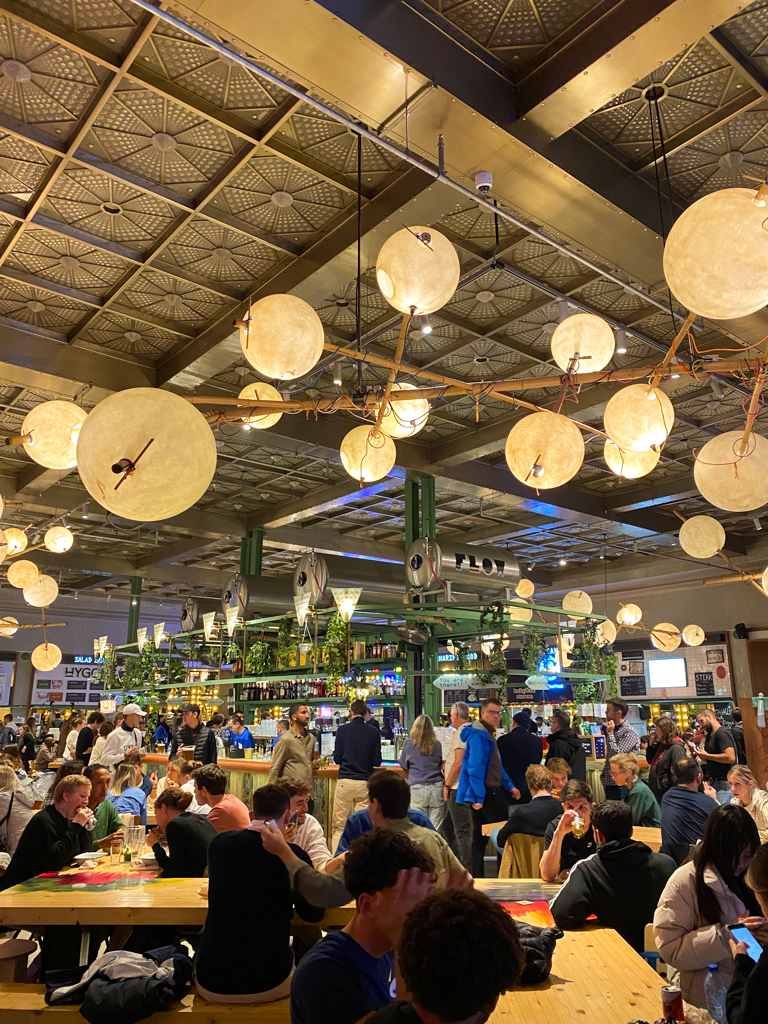
After a wonderful few days in Bruges, we arrived in Brussels just in time for dinner. This was our first visit to the Belgian capital, and we were especially excited to dive into the food scene. Brussels feels immediately different from Bruges: larger, busier, more layered, and unmistakably urban. We headed straight to Wolf Food Market, a hugely popular food hall with 17 different vendors and even an on-site microbrewery. That felt very on brand for Belgium.
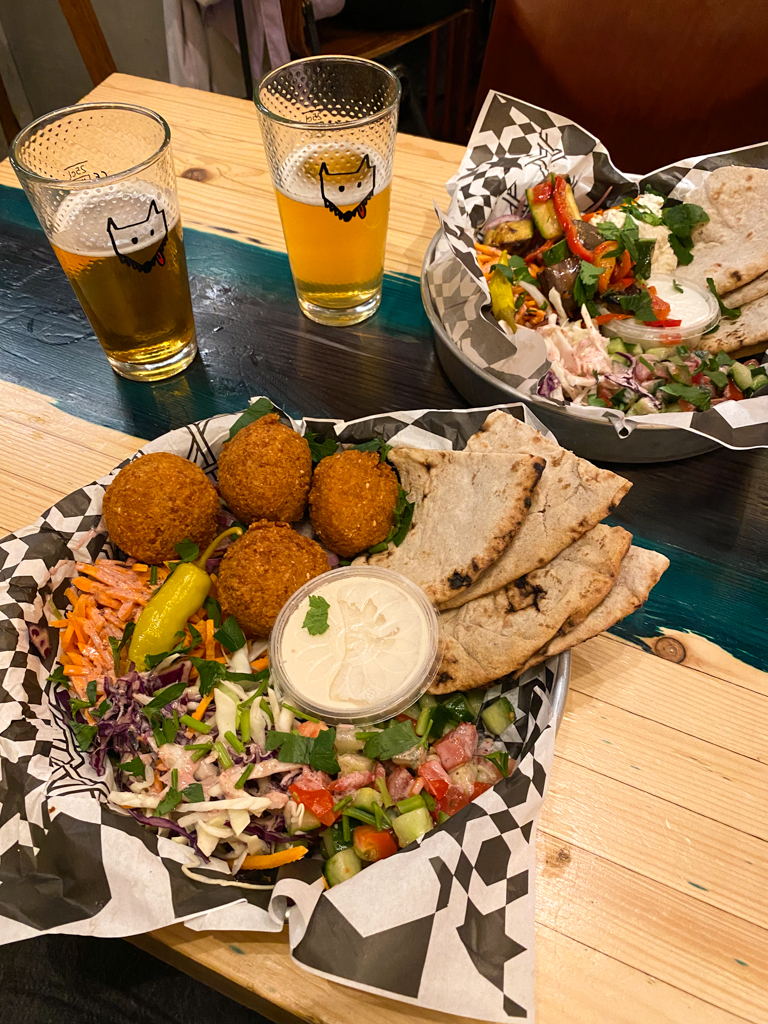
After several days of Belgian and French cuisine, we were craving something different, so we opted for My Tannour. A tannour is a traditional clay oven used throughout the Levant, where small round breads are baked directly on the oven walls over a wood fire at extremely high temperatures. The result is bread that is soft, slightly smoky, and perfect for scooping. We ordered falafel, plenty of bread, and sauces to share, along with beer from the microbrewery. It was a relaxed, lively way to ease into the city.
Lambic Beer and Old-World Brussels
After dinner, we continued wandering and soon found ourselves in a traditional beer hall called À la Bécasse. Only after sitting down did we realise that this is a lambic bar, specialising in one of Brussels’ most distinctive beer styles.
Lambic beer has been brewed in Brussels and the Pajottenland region since at least the 13th century. What makes it unique is its fermentation process. Instead of using cultivated brewer’s yeast, lambic relies on wild yeasts and bacteria native to the Zenne Valley. The beer is left exposed to the open air, allowing natural fermentation to occur. This method produces a flavour that is dry, tart, and often compared to cider or sour wine.
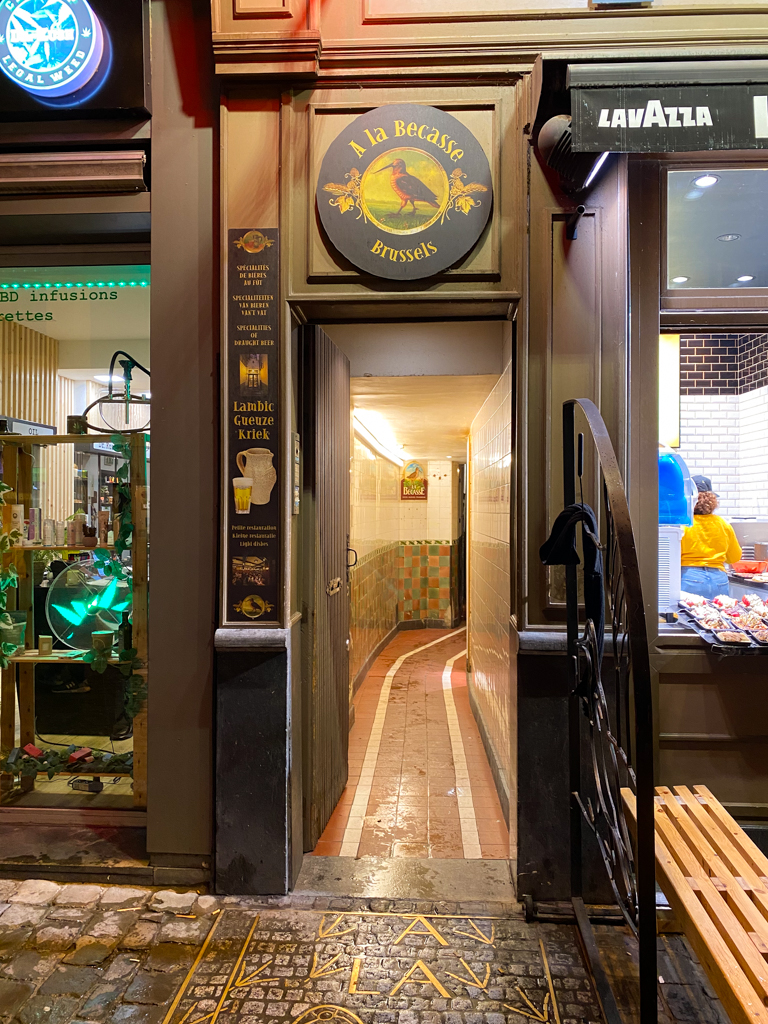

We ordered a tasting flight to explore the style. Victor found it a little too sharp for his taste, but I enjoyed sampling the different expressions and learning how varied lambic can be. The bar itself was full of atmosphere, with dark wood panelling, old light fixtures, and a steady hum of conversation. It felt timeless and unapologetically local.
A City Shaped by Trade and Power
The next day was dedicated entirely to exploring Brussels. The city’s history is long and complex, shaped by geography, trade, and shifting political power. Brussels began as a small settlement on marshy land, gradually growing into an important town between the 12th and 14th centuries. Its prosperity came largely from the manufacture of luxury cloth. Brussels produced fine fabrics that were exported to major trade fairs in Paris, Venice, Champagne, and beyond. Wealth accumulated in the hands of a small number of merchant families, who eventually formed seven dynasties with near-total political control. That concentration of power led to resentment and repeated popular uprisings.
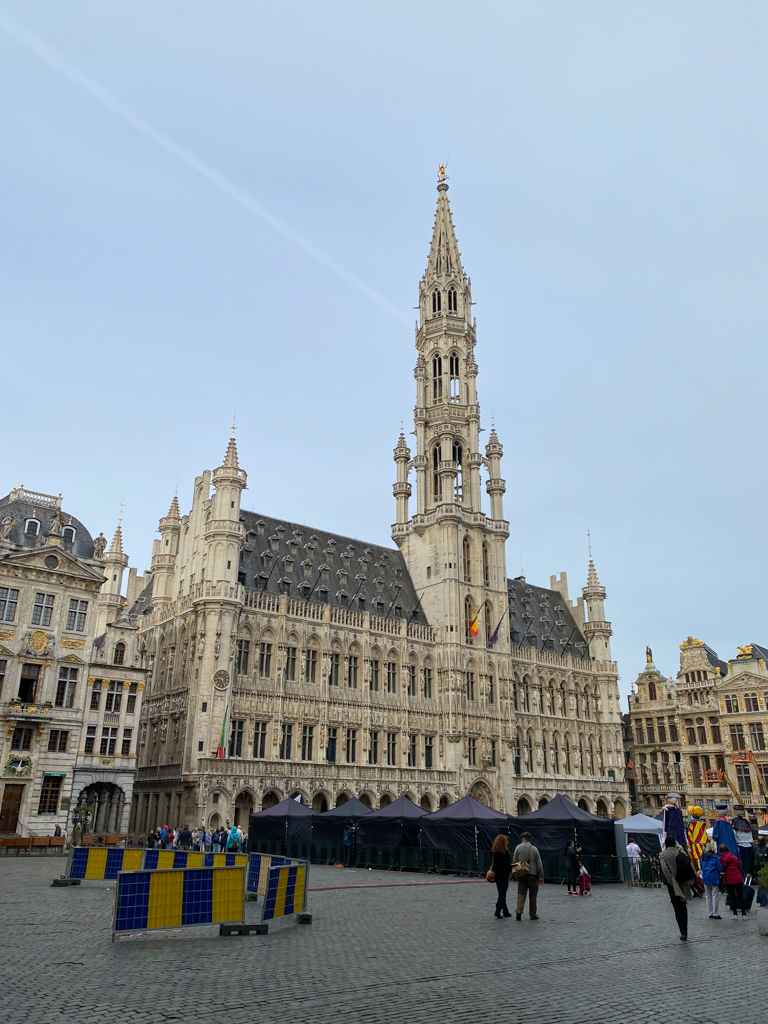
In 1430, Brussels became part of the Burgundian domains, marking a major turning point. The Burgundian period brought political prestige and artistic flourishing. Brussels became an administrative capital and a centre of art, producing paintings, wooden sculptures, tapestries, jewellery, and other luxury goods for export. One of the most visible legacies of this period is the Town Hall, built between 1402 and 1454. Rising above the marketplace with its elegant steeple topped by a statue of the Archangel Michael, the city’s patron saint, it is considered a masterpiece of Brabantine Gothic architecture.
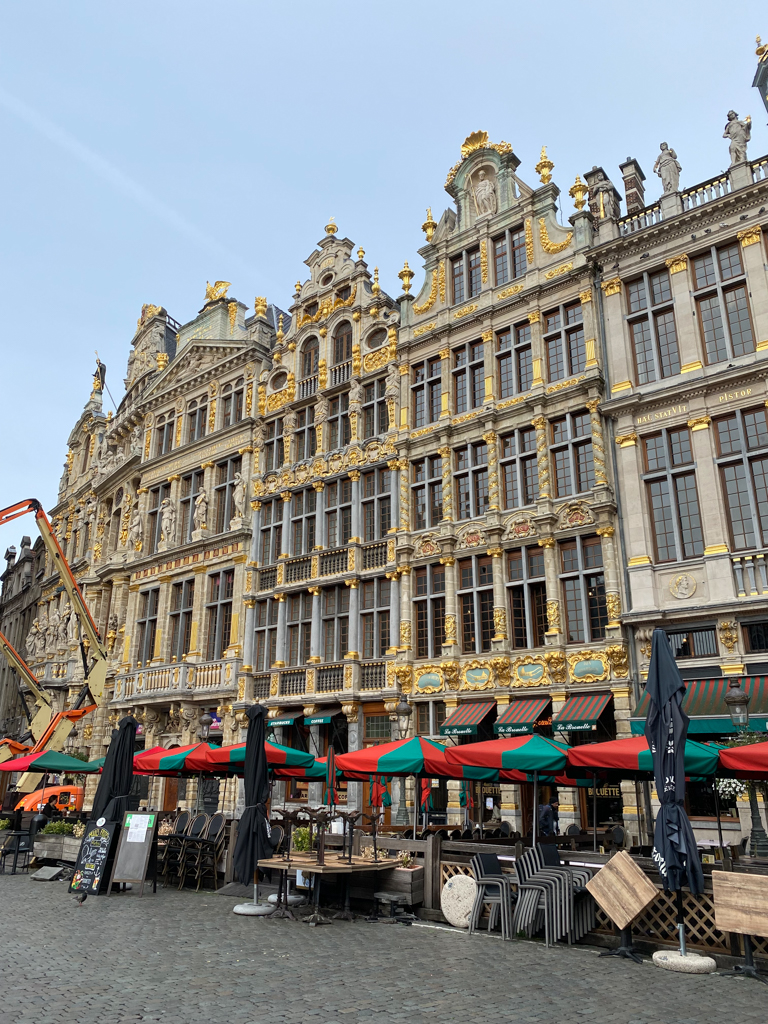
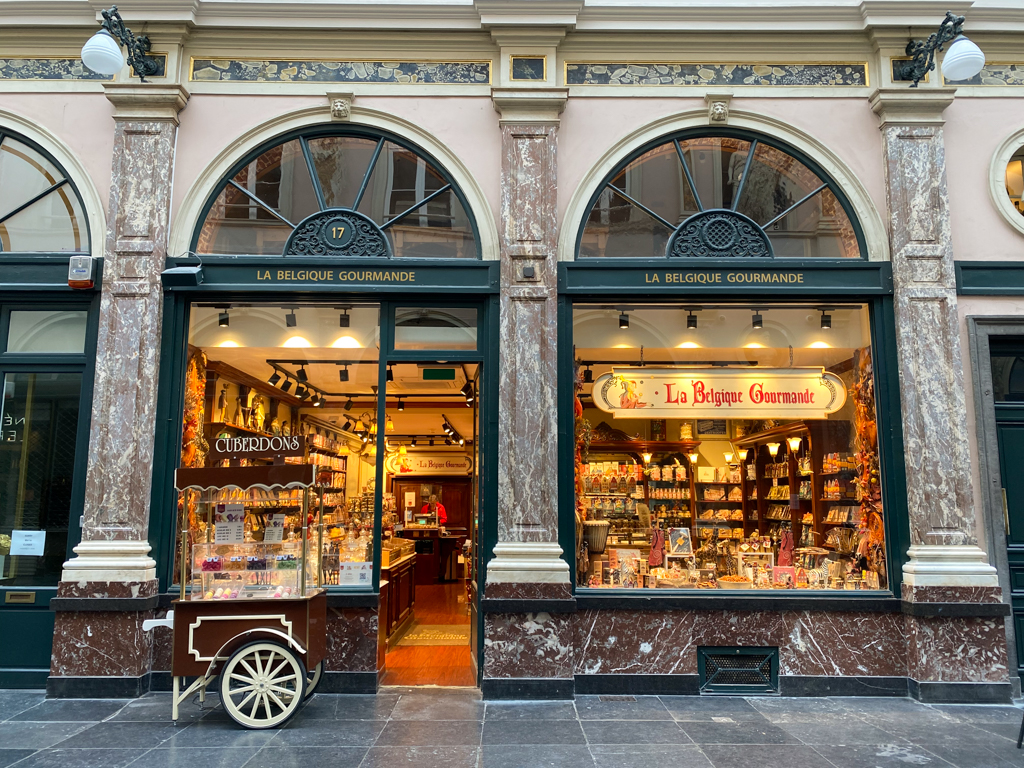
Breakfast Near the Grand Place
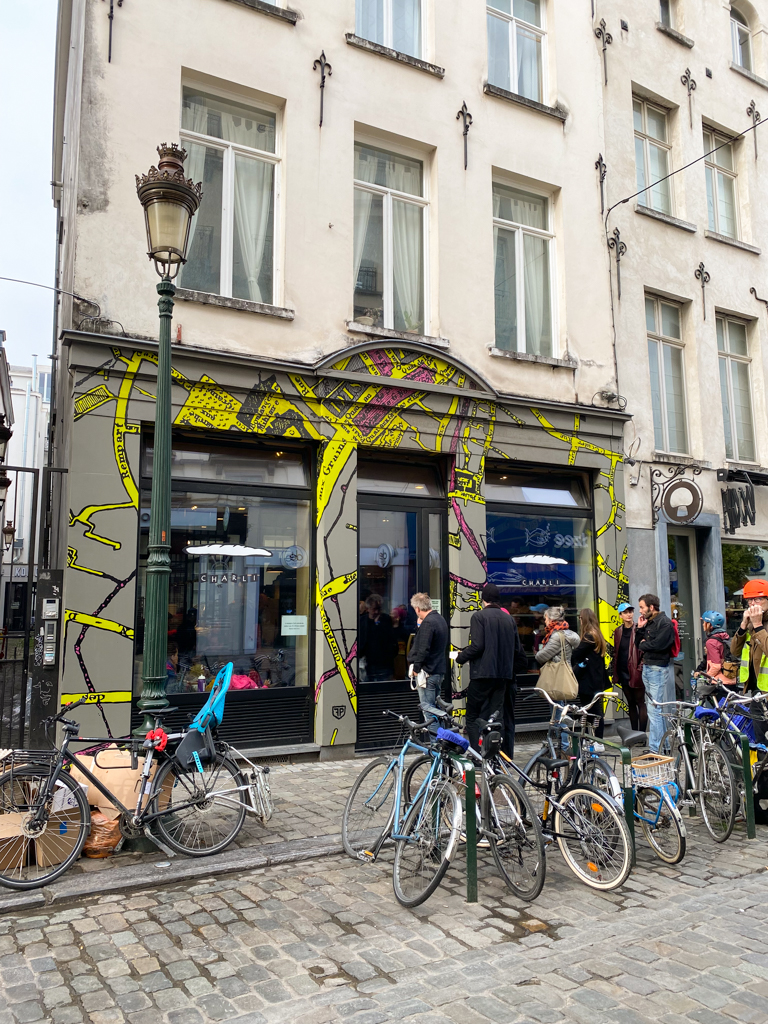
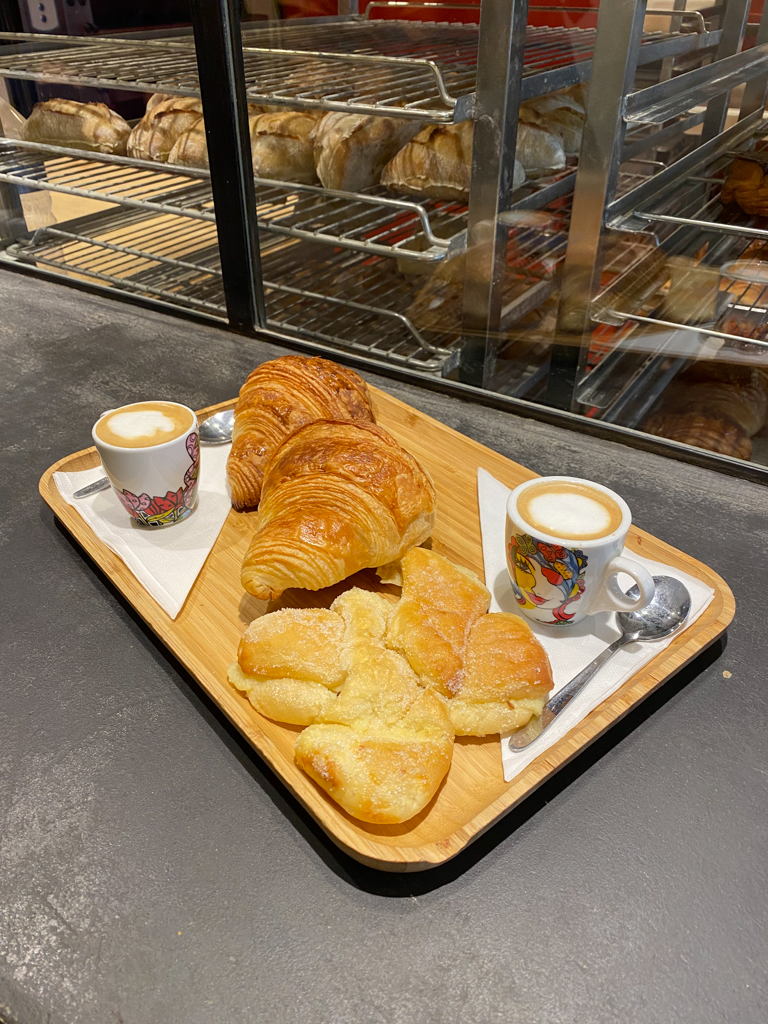
After walking through the Grand Place, we stopped for breakfast at Charli, a French bakery nearby. We ordered a croissant and a Croix de Savoie, a brioche pastry filled with crème pâtissière and dusted with fine sugar. The Croix de Savoie originates from Haute-Savoie in the French Alps, and it was rich, comforting, and exactly what we needed before another long day on foot.
Brussels, Capital of Comics
Brussels is the undisputed capital of Franco-Belgian comics, known in French as bandes dessinées. Comic culture remains deeply embedded in Belgian life, with generations growing up reading stories featuring characters such as Tintin, The Smurfs, and Spirou.
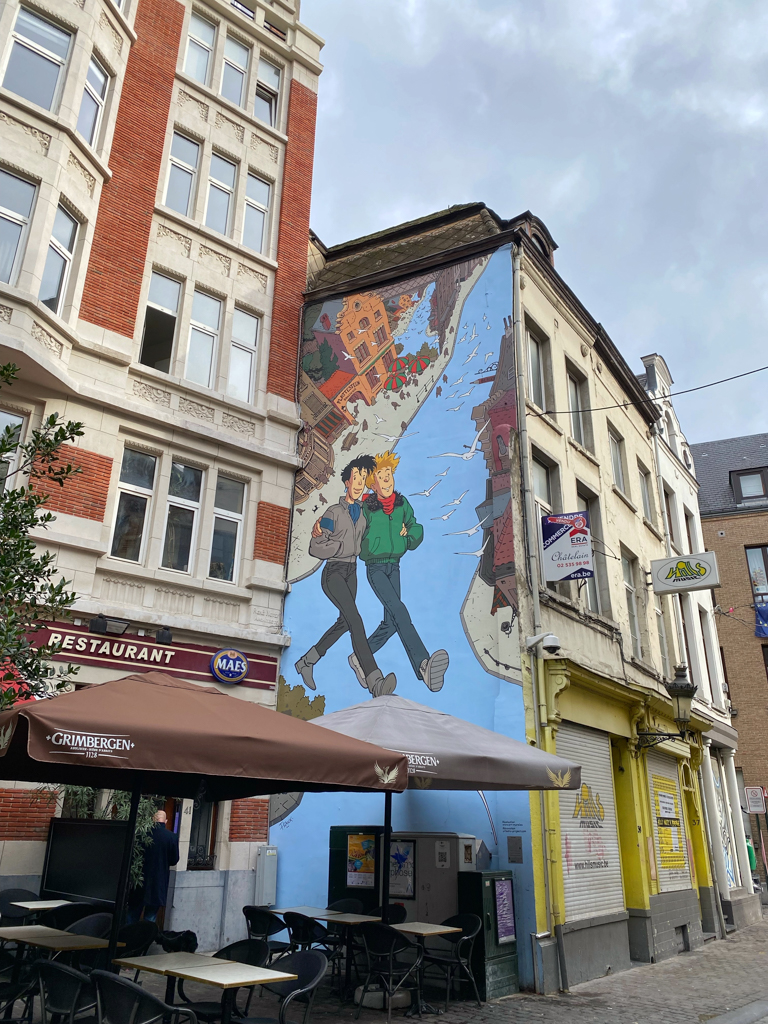
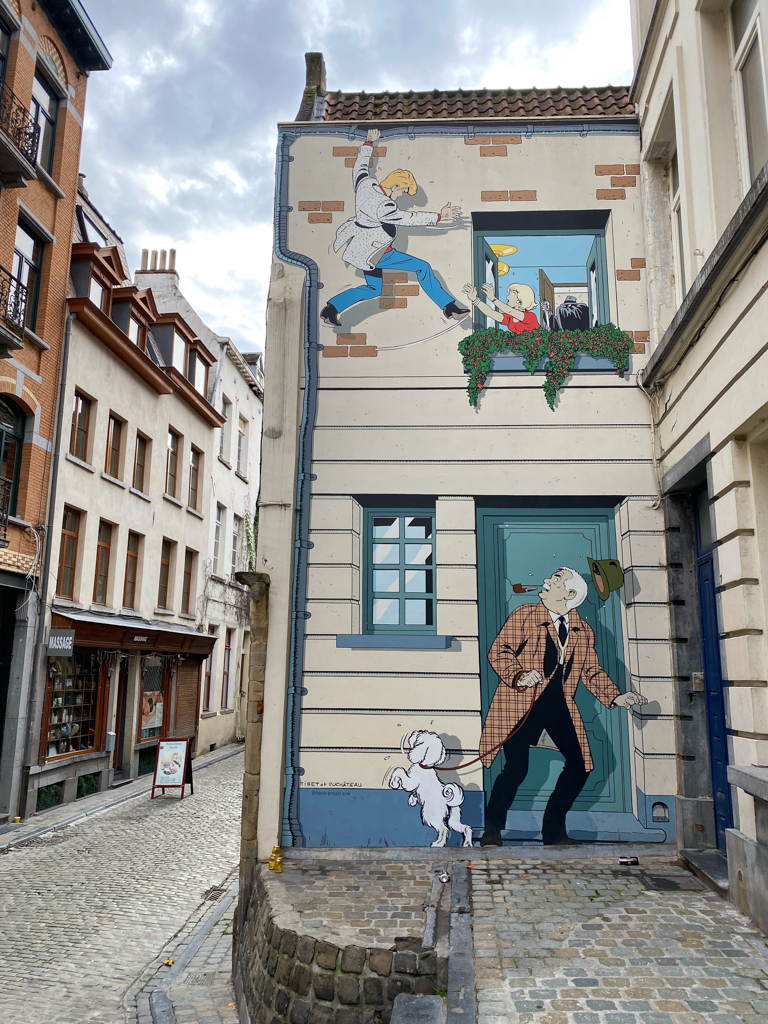
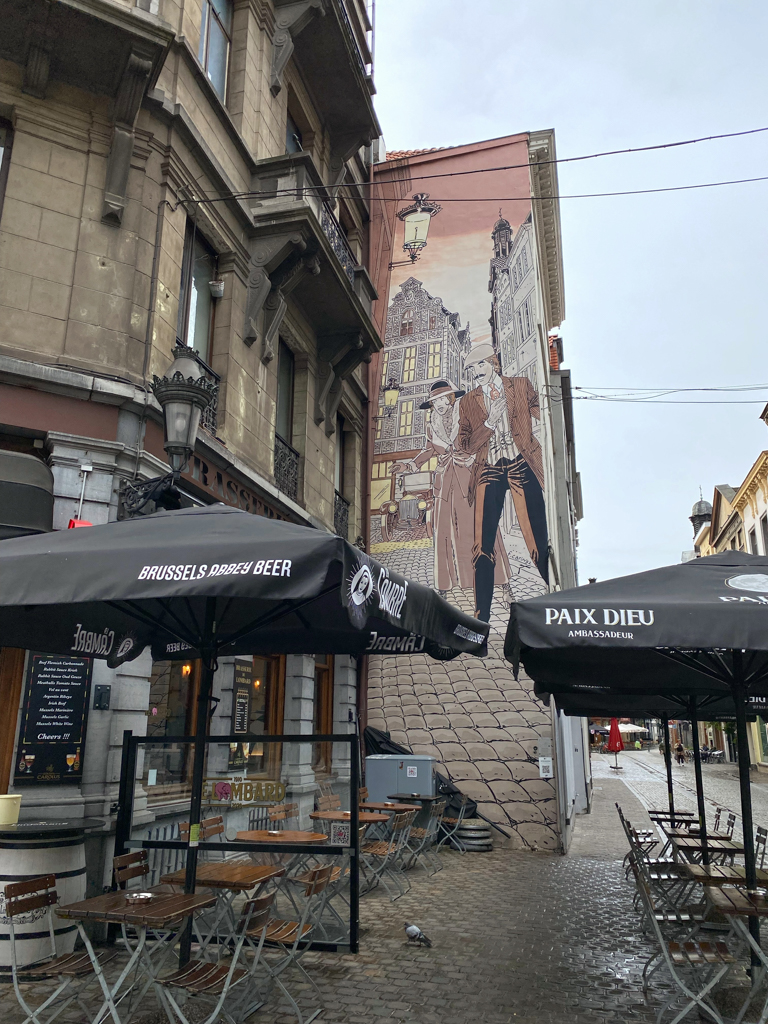
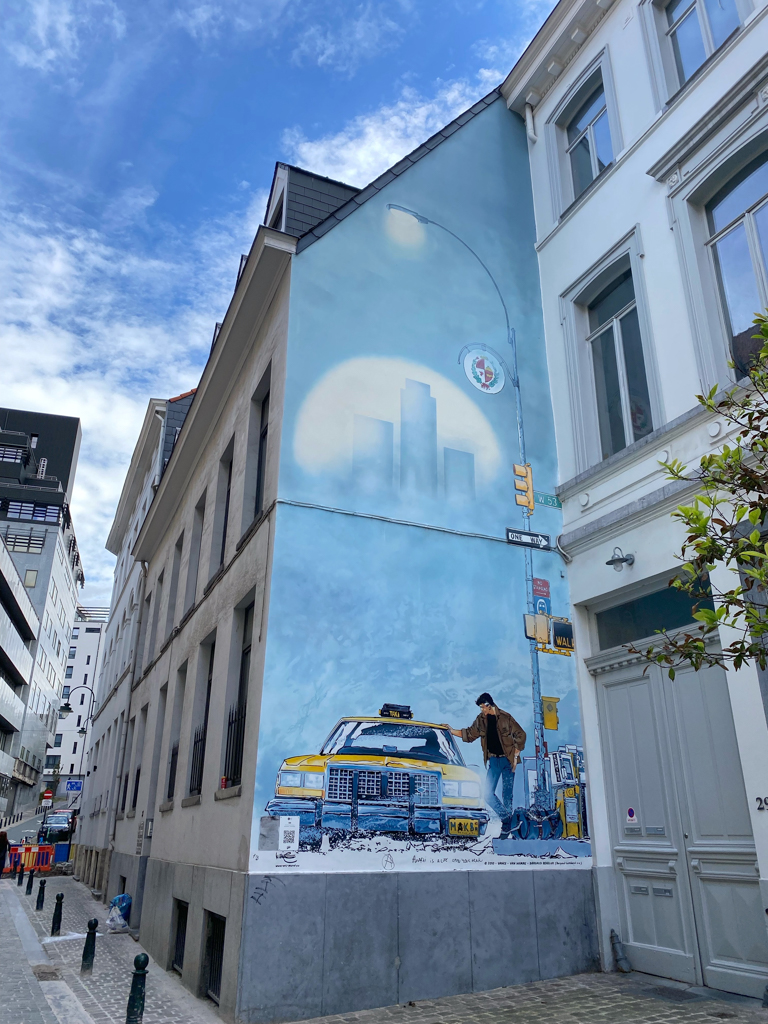
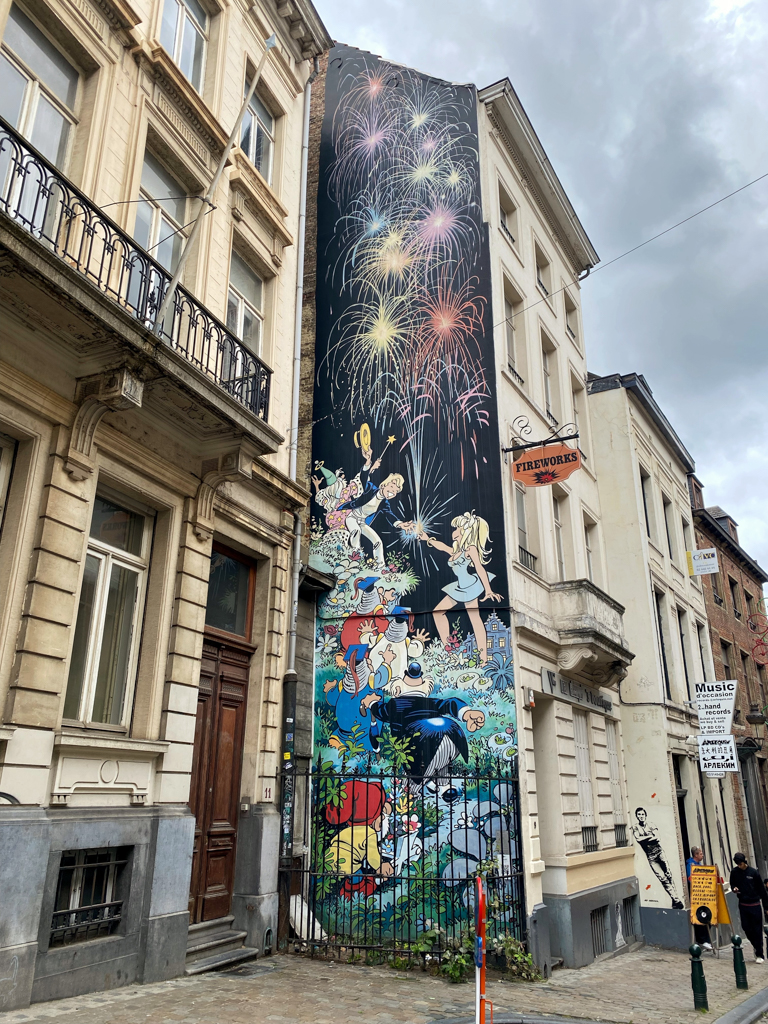
Since 1991, the city has celebrated this tradition through a growing collection of comic strip murals. Today, there are more than 80 murals scattered throughout Brussels, transforming ordinary streets into open-air galleries. We began our self-guided mural walk with Broussaille by Frank Pé, the very first mural painted in July 1991. Over the course of the day, we encountered many more, including Le Passage by François Schuiten and Benoît Peeters, Out in the Street by Ralf König, Victor Sackville by Francis Carin, Ric Hochet by Tibet and A.P. Duchâteau, Kinky & Cosy by Nix, Monsieur Jean by Philippe Dupuy and Charles Berberian, Froud et Stouf by Frédéric Jannin and Stefan Liberski, and Thorgal by Jean Van Hamme and Grzegorz Rosiński. Ric Hochet ended up being my personal favourite of the day.

Saint-Gilles and Art Nouveau
After the mural walk, we headed south to Saint-Gilles, a lively, creative neighbourhood known for its galleries, cafés, and alternative atmosphere. One of its most striking landmarks is the town hall, a French Renaissance Revival building topped with a 41-metre-high belfry.

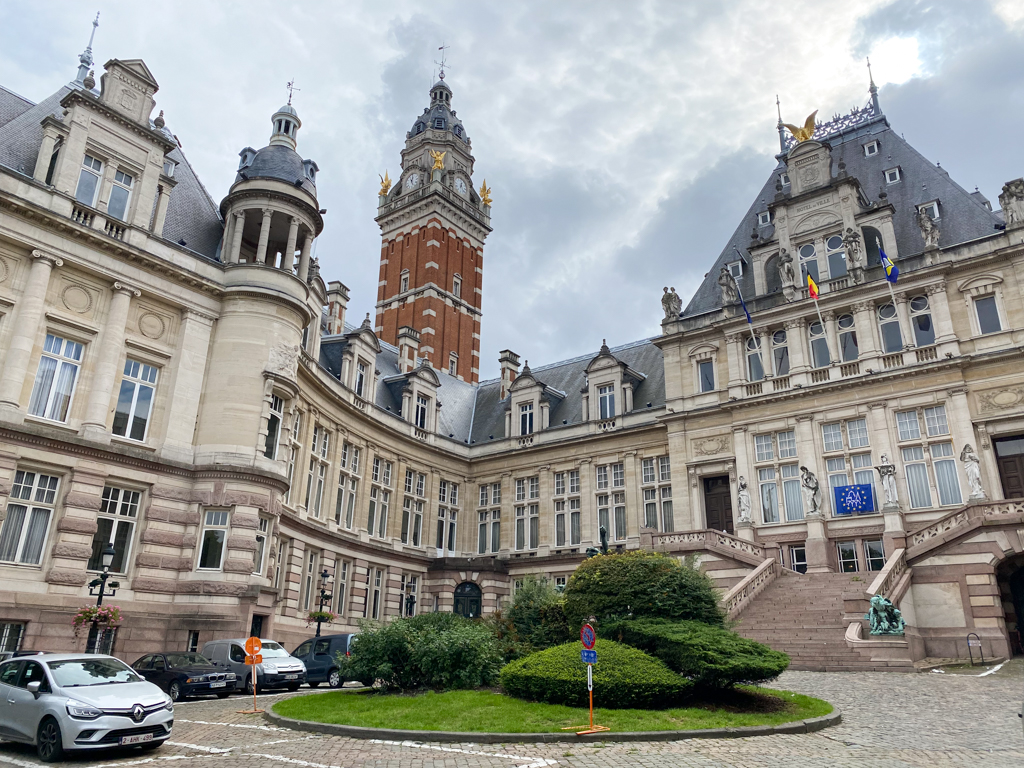
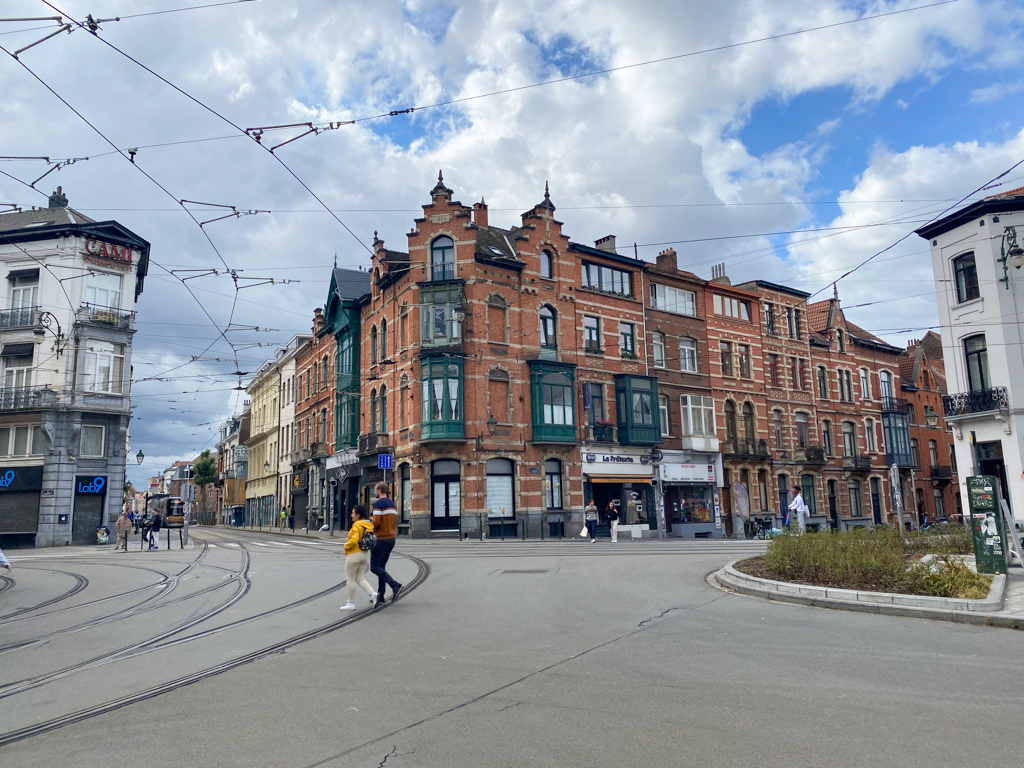
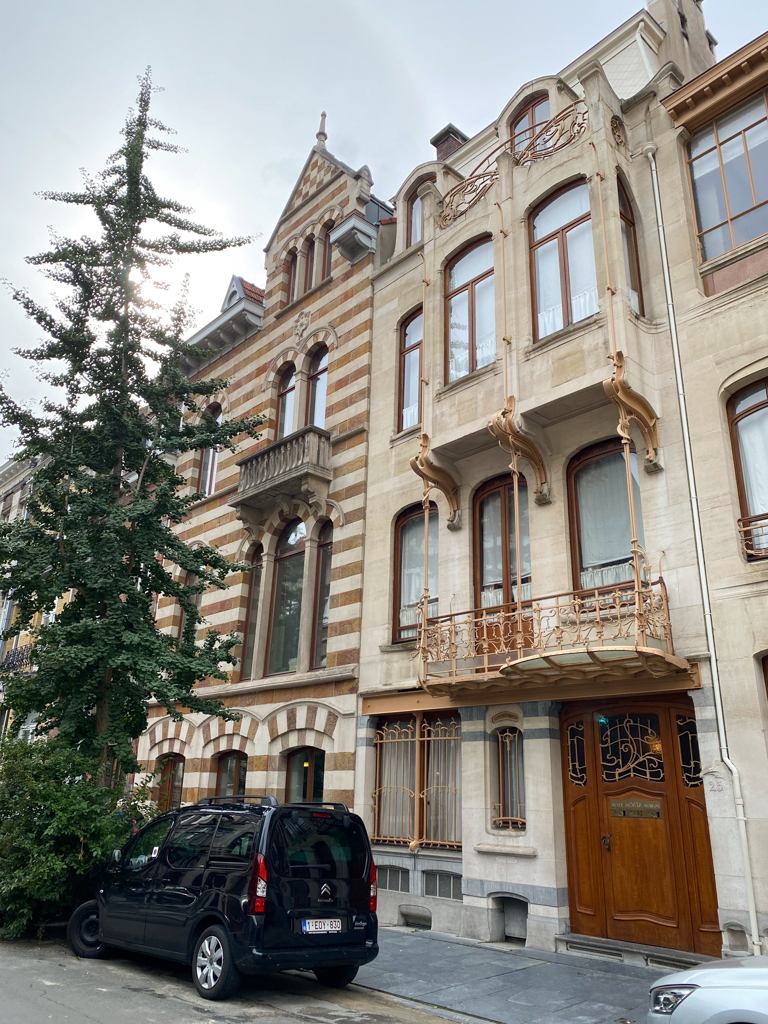
Saint-Gilles is also rich in Art Nouveau architecture. The Art Nouveau movement first appeared in Brussels in the early 1890s before spreading across Europe, and Saint-Gilles was developed during its peak. One of the movement’s founders was Victor Horta, whose work would go on to define the style.
Lunch at Fernand-Obb
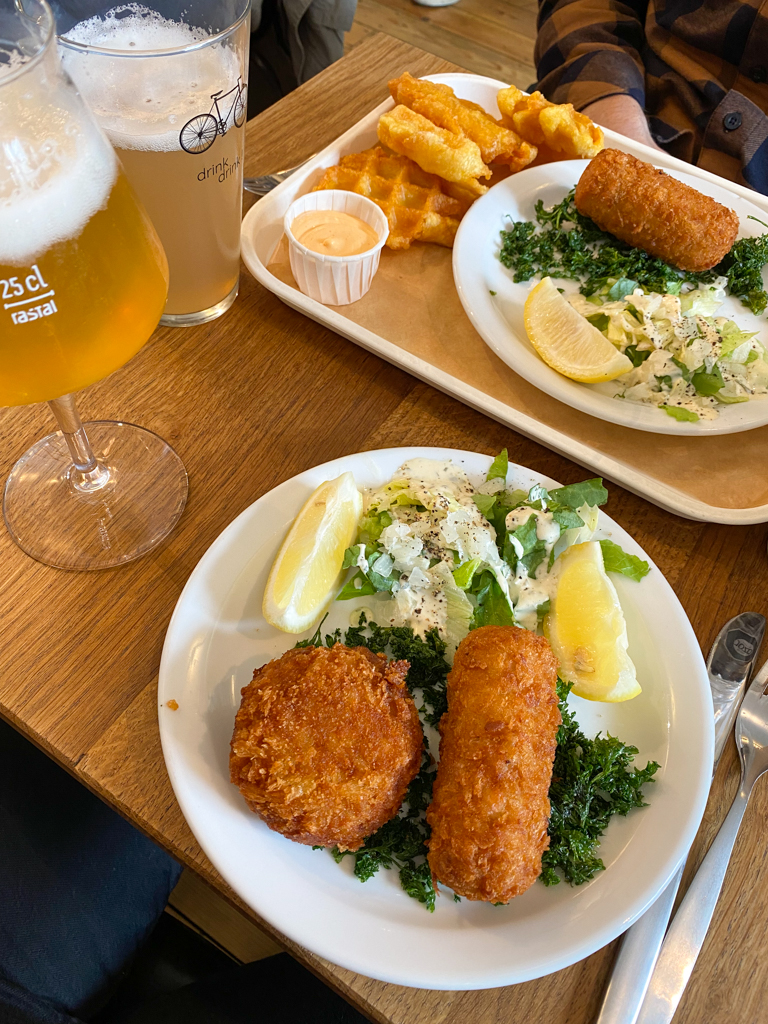
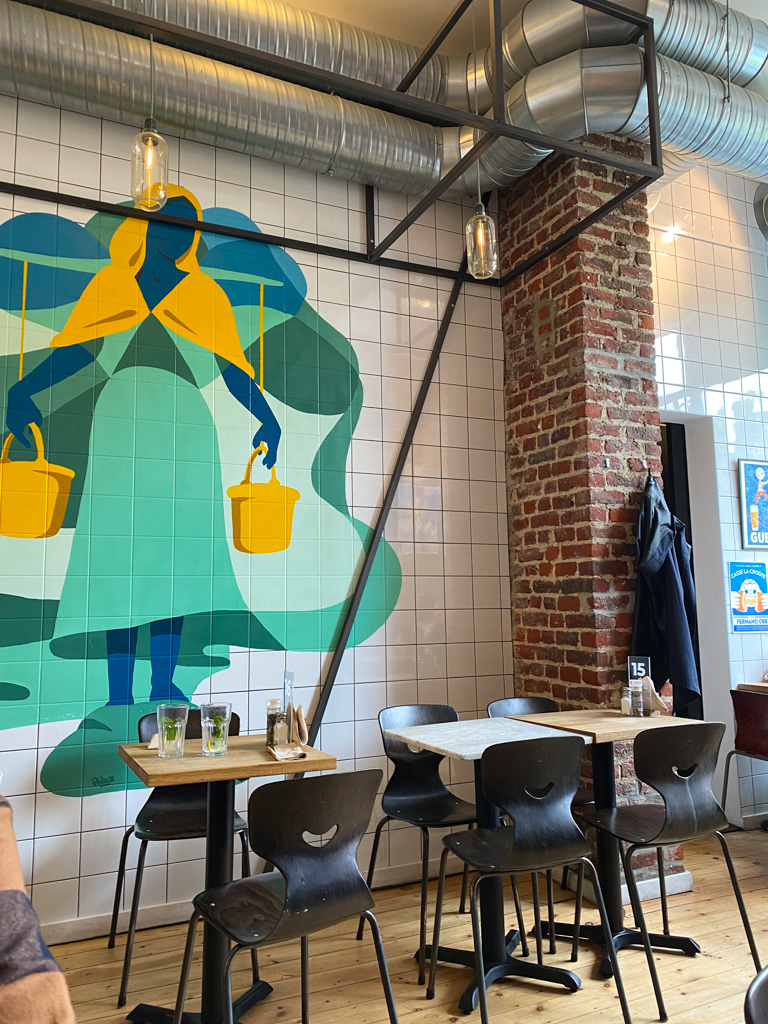
For lunch, we stopped at Fernand-obb, a deli-style restaurant known for serving some of the best grey shrimp croquettes in Brussels. They have won the award for best shrimp croquette two years in a row, and it was easy to see why. We also learned about their cheese croquettes, made with Flandrien, a semi-cured Belgian cheese. All ingredients are sourced locally, and the food felt honest, comforting, and deeply rooted in Belgian tradition.
Inside the Horta Museum
In the afternoon, we visited the Horta Museum, housed in Victor Horta’s former home and studio. Built between 1898 and 1901, the buildings are among the finest examples of Art Nouveau architecture.
The interiors have been meticulously preserved, revealing intricate mosaics, stained-glass windows, custom-designed furniture, and flowing lines that seem to move organically through the space. Photography is not permitted inside, but the impression it leaves is lasting. It is a museum that rewards slow observation and attention to detail.

Final Murals and Manneken Pis
After the museum, we returned to our comic strip hunt, spotting murals for XIII, Young Albert, Olivier Rameau, and finally, the ultimate Brussels icon, Tintin.

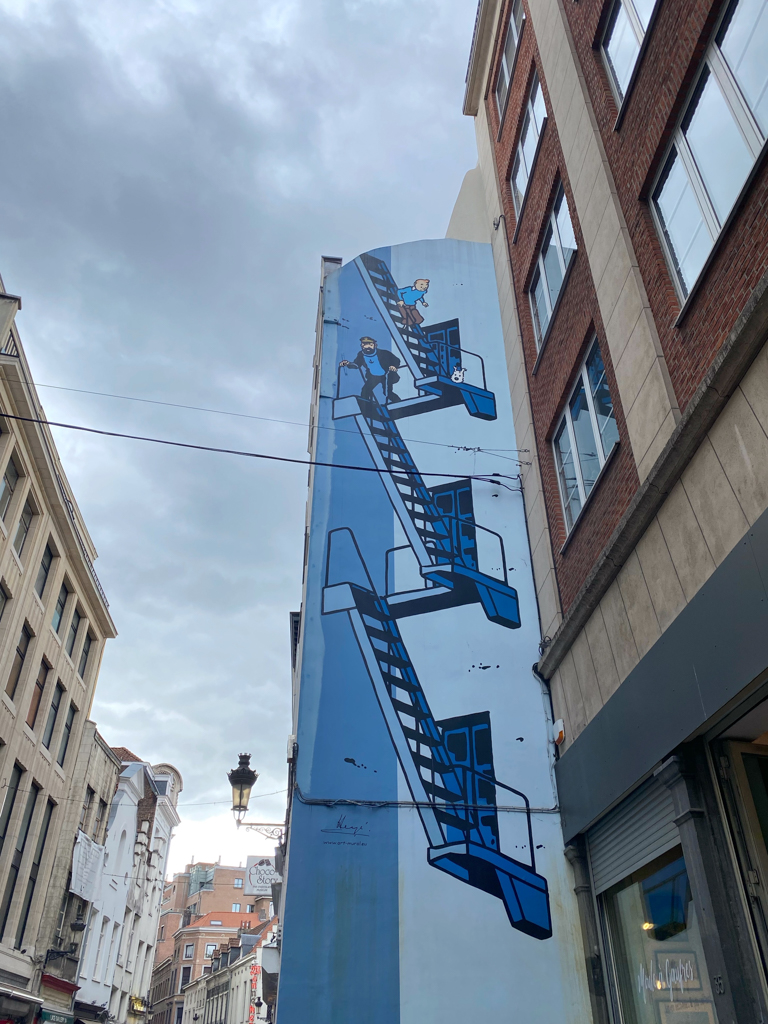
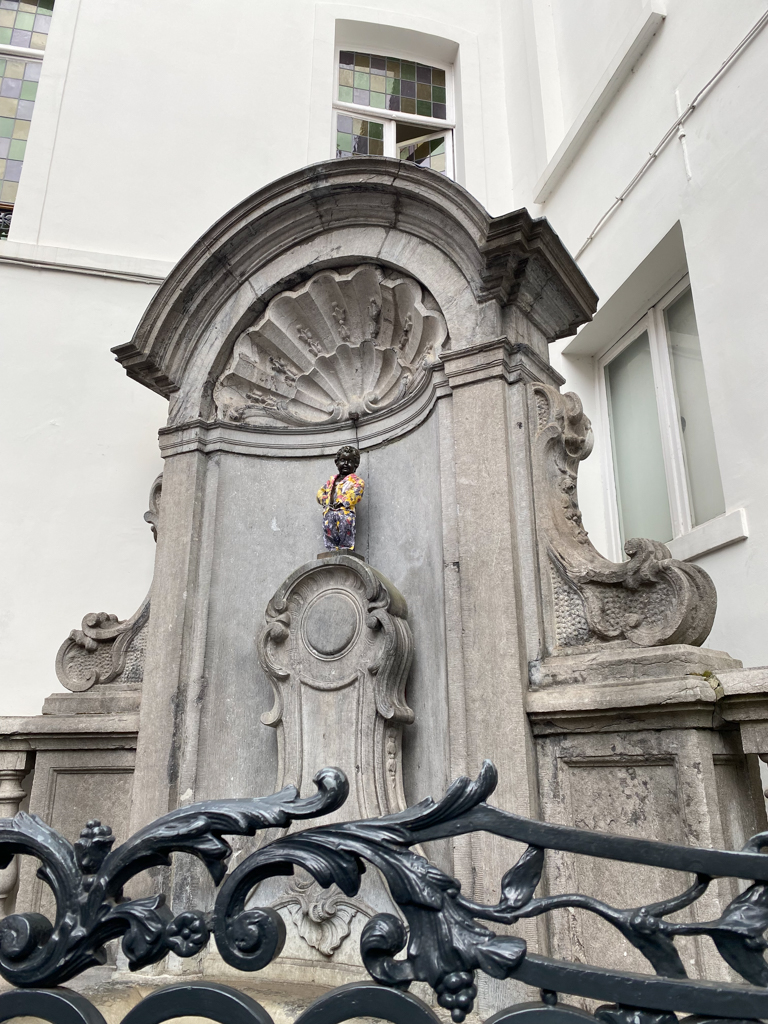
But there was one final stop before leaving the city: Manneken Pis. The small bronze statue of a boy urinating into a fountain is one of Belgium’s best-known symbols. Its fame stems from a mix of folklore, irreverence, and the Belgian talent for self-mockery. The statue is regularly dressed in costume, and its wardrobe now includes around a thousand outfits.
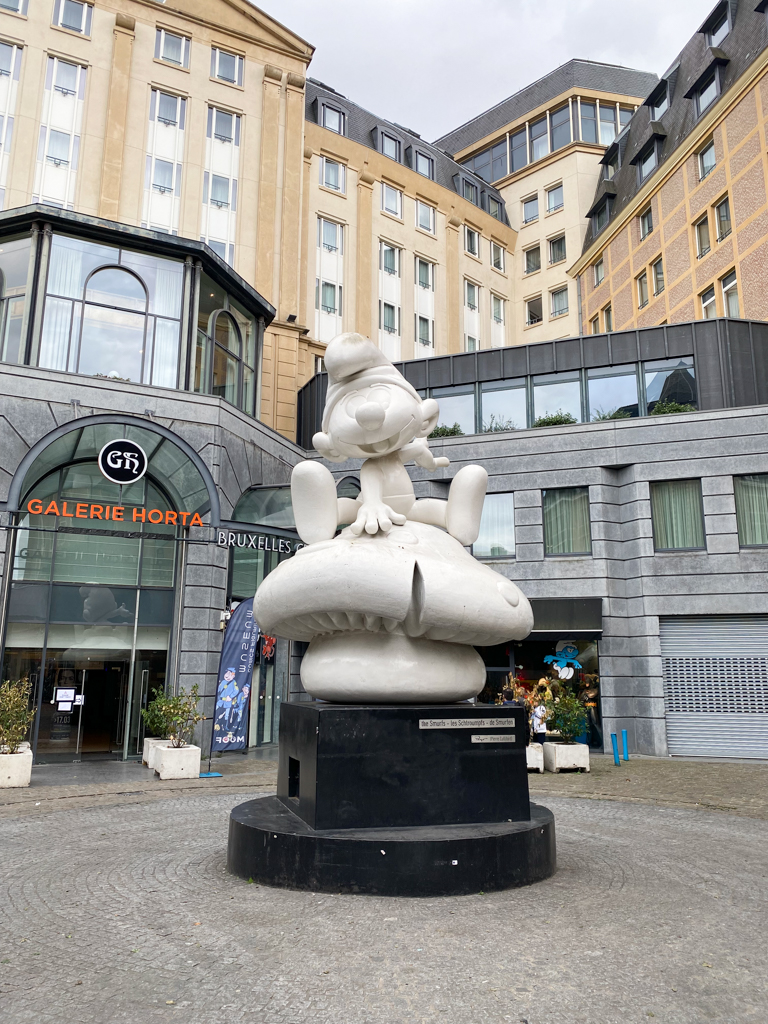
On our way to the train station, we passed one last statue, a Smurf, which felt like a fitting farewell. That marked the end of our time in Brussels and Belgium. I loved discovering this European capital for the first time. It felt open, layered, and welcoming, perhaps reflecting the many cultures and travellers who pass through it every day.
Have you been to Brussels? What did you think?
No Comments